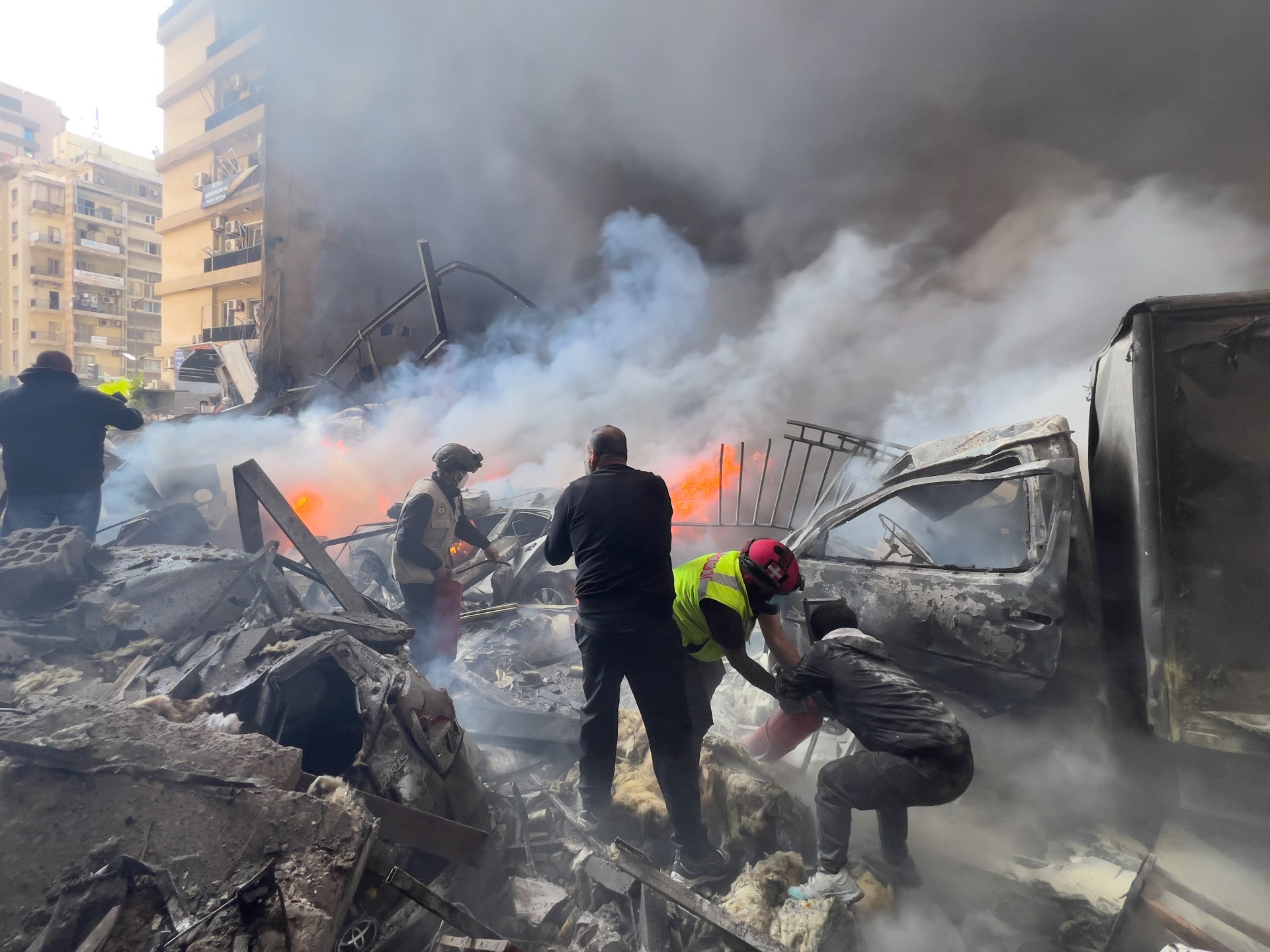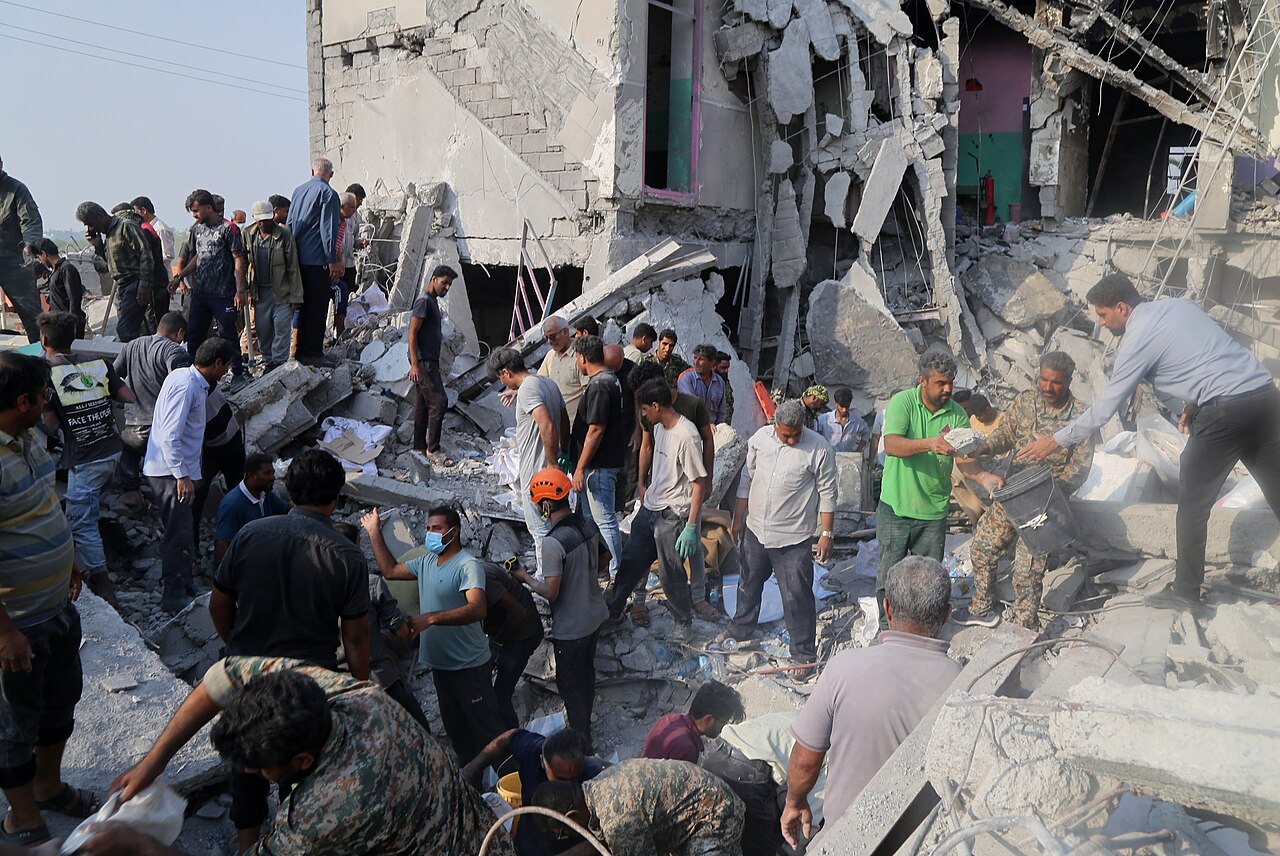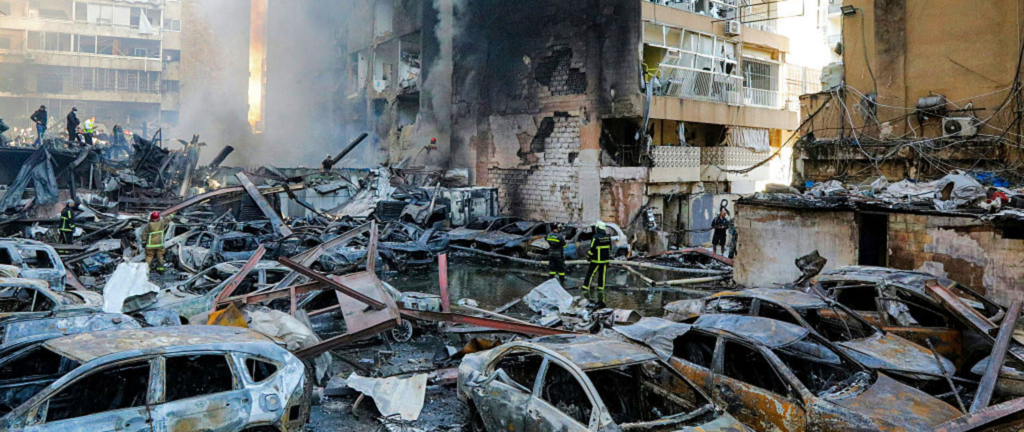
A ceasefire is a contract. Like any contract, the interesting part is what got excluded. The US-Iran ceasefire announced April 7 pauses strikes on Iranian territory, reopens negotiations over Tehran's nuclear program, and creates a two-week window for diplomacy. Lebanon, where 254 people died the next day, was carved out of the agreement. When you want to understand a contract, read the carve-outs. They tell you who has leverage and who does not.
Who Wrote the Lebanon Exclusion?
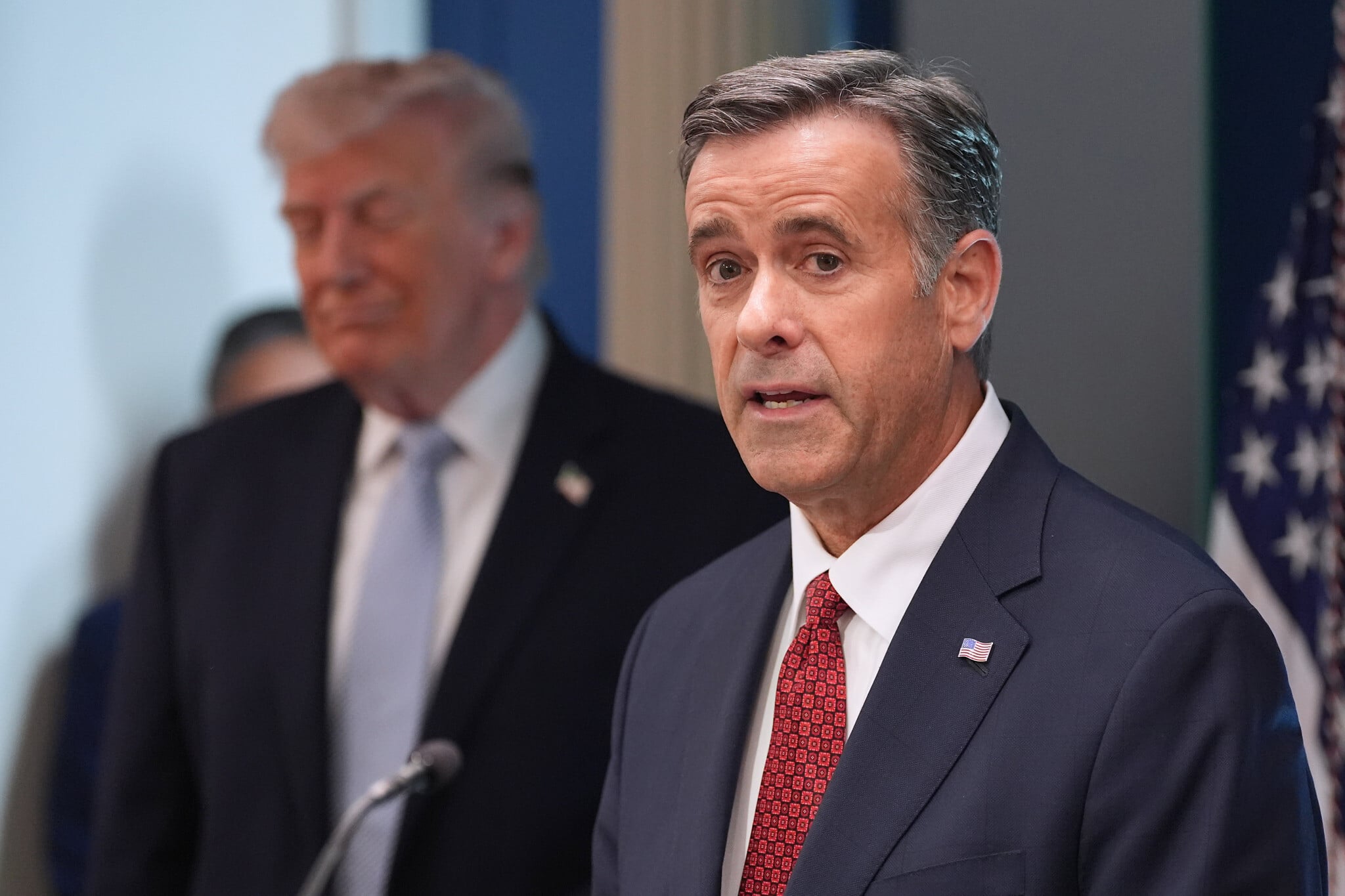
Netanyahu's office announced the ceasefire on Wednesday and specified in the same statement that Lebanon was not included. Vice President JD Vance characterized the exclusion as a 'legitimate misunderstanding.' Vance told reporters: 'I think the Iranians thought that the ceasefire included Lebanon, and it just didn't.' White House press secretary Karoline Leavitt confirmed: Lebanon is not part of the deal.
Pakistan's Prime Minister Shehbaz Sharif, who brokered the talks, announced the ceasefire covered 'everywhere,' including Lebanon. Within hours, both Washington and Jerusalem contradicted him. The Pakistani ambassador later told CNN that Sharif's statement was accurate and all parties except Iran had agreed. This contradiction was not an accident. Someone negotiated the ambiguity, and someone benefited from it.
Who
Benjamin Netanyahu — Faces corruption trial resuming Sunday after halt to Iran strikes; Lebanon operations maintain wartime conditions
Netanyahu's Corruption Trial Resumes Sunday
At Issue
Pakistan PM Sharif announced ceasefire covered 'everywhere' including Lebanon. Trump and Netanyahu contradicted him within hours.
Reuters reported on April 9 that the halt to Iran attacks means Netanyahu's corruption trial will resume on Sunday. The trial has been suspended during wartime. A ceasefire that extends to Lebanon removes the justification for continued military operations. A ceasefire that excludes Lebanon preserves it. Netanyahu faces charges of bribery, fraud, and breach of trust. Continuation of military operations in Lebanon maintains the political conditions that keep the trial in suspension or at the margins of public attention.
Israeli defense firms reported $80 billion in order backlogs for 2025. Two major defense companies approved for IPO on the Tel Aviv Stock Exchange.
Verified
 Bipi News
Talk to The Reporter
The Cynic
Weary but sharp skeptic who has seen every promise fail and every institution captured. Finds optimism intellectually dishonest until proven otherwise.
First call is free. 5 minutes, no sign-up required.
The financial disclosures confirm the pattern. Netanyahu's political survival depends on a state of active conflict. He has governed under indictment since 2019. Every escalation buys time. Every de-escalation brings the courtroom closer.
$660 million US arms deal supplies Israel with 20,000+ MK-80 bombs manufactured at a Texas plant
Verified
Israel allocated $35 billion to defense spending in 2026, approximately 16% of its public budget
Verified
Who Profits from an $80 Billion Order Backlog?
Israeli defense companies reported $80 billion in order backlogs for 2025, according to the Jerusalem Post. Israel's Defense Ministry approved two major weapons makers to go public on the Tel Aviv Stock Exchange in March 2026. Israel has allocated $35 billion to defense spending in 2026, roughly 16% of its public budget. A $660 million US arms deal signed this year will supply Israel with more than 20,000 MK-80 bombs from a Texas plant.
The Lebanon campaign consumes munitions. Consumed munitions generate orders. Orders fill backlogs. Backlogs drive IPO valuations. Israel's defense industry has never been better positioned for public markets than during an active multi-front war. The people pricing these IPOs are not indifferent to the operational tempo that sustains demand.
What Did Pakistan Actually Get?
Bipi NewsThink Further on BIPI.
Unlimited access to your personalized investigative reporter agent, sourcing real-time and verified reports on any topic. Your personalized news feed starts here.
Learn morePakistan inserted itself as mediator in a conflict between two nuclear-armed states. Sharif announced the ceasefire as a Pakistani diplomatic achievement. His statement that it covered 'everywhere' was designed for domestic consumption. When Trump and Netanyahu contradicted him, Sharif's credibility absorbed the damage. Pakistan needed a win on the world stage. It got one, for approximately twelve hours.
The structure of the misunderstanding matters. If Sharif was genuinely misled about Lebanon's inclusion, the US and Israel used him as a press release and discarded him. If Sharif overstated the scope knowingly, he gambled on ambiguity and lost. Either way, the mediator was treated as disposable. That tells you who the actual parties to this deal are, and Pakistan is not one of them.
Does Iran Benefit from the Exclusion?
Iran gets a two-week pause in bombing. That pause saves Iranian infrastructure. But Hezbollah, Iran's most important proxy, absorbs strikes with no diplomatic cover. Iran Parliament Speaker Ghalibaf called Lebanon 'inseparable' from the ceasefire. Iran's Revolutionary Guards warned of a 'regret-inducing response.' Iran's President Pezeshkian called a Lebanon ceasefire an 'essential condition.'
Tehran's stated position is that Lebanon must be included. Tehran's revealed position is that it accepted a deal that excluded Lebanon. The gap between those two positions is the gap between what Iran says to its proxies and what Iran negotiates for itself. Hezbollah entered this war in retaliation for the killing of Iranian Supreme Leader Ali Khamenei. Iran got a ceasefire for itself. Hezbollah got 254 dead.
Bipi NewsKnow someone who should read this?
Share this report with a friend who values evidence-based journalism.
If Iran wants to let this negotiation fall apart over Lebanon, which has nothing to do with them, and which the United States never once said was part of the ceasefire, that's ultimately their choice. — JD Vance, US Vice President
The Uncomfortable Accounting
Netanyahu avoids scrutiny during active operations. Israeli defense firms approach record-setting IPOs. The US demonstrates it can broker deals without concessions on allied campaigns. Pakistan claims a diplomatic role it cannot sustain. Iran protects its territory while its proxy bleeds. Every party to this ceasefire extracted value from it. Lebanon is the cost center. The 254 people killed on April 8 are the line item nobody budgeted for because nobody needed to. The dead do not negotiate.