A ceasefire was announced Tuesday night. By Wednesday afternoon, 203 people were dead in Lebanon. The Strait of Hormuz remained closed. Iran accused the US of violating three tenets. The US said the version Iran published was not the version they signed. Ask three questions of any agreement: Who enforces it? By when? What breaks first? This deal fails all three.
The Chain of Command Does Not Exist
In any operational ceasefire, somebody owns enforcement. The Korean Armistice has the Military Armistice Commission. The 2020 Nagorno-Karabakh ceasefire gave Russia a peacekeeping mandate. The Colombia FARC deal created a tripartite monitoring mechanism with UN observers. The US-Iran ceasefire has none of these. Pakistan brokered the deal but has no military presence in the theater. The UN was not party to the agreement. No neutral monitoring body exists.
White House Press Secretary Karoline Leavitt said Washington would send a negotiating team to Islamabad for talks Saturday. That means the enforcement discussion has not started. The ceasefire went live before anyone defined what compliance looks like.
What Does 'Ceasefire' Mean When Nobody Agrees on the Scope?
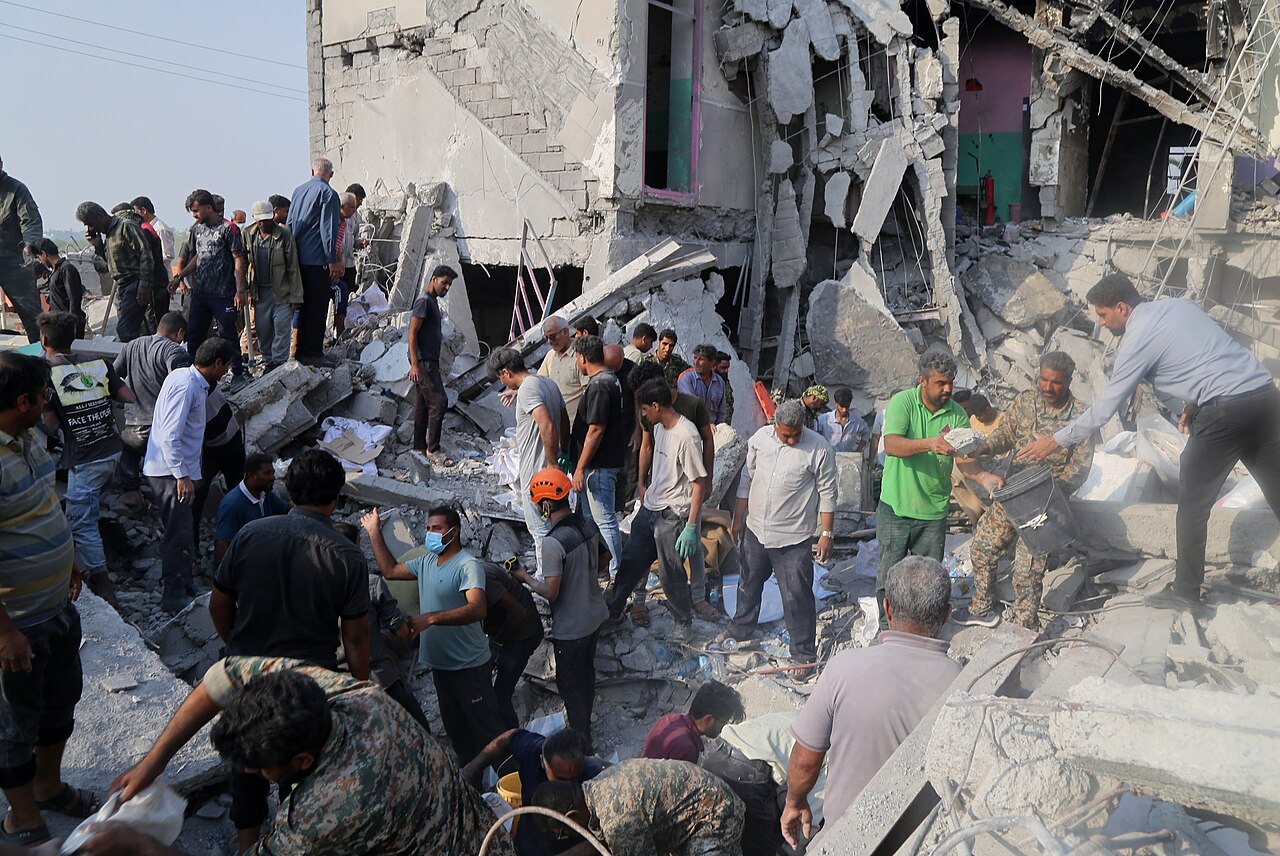
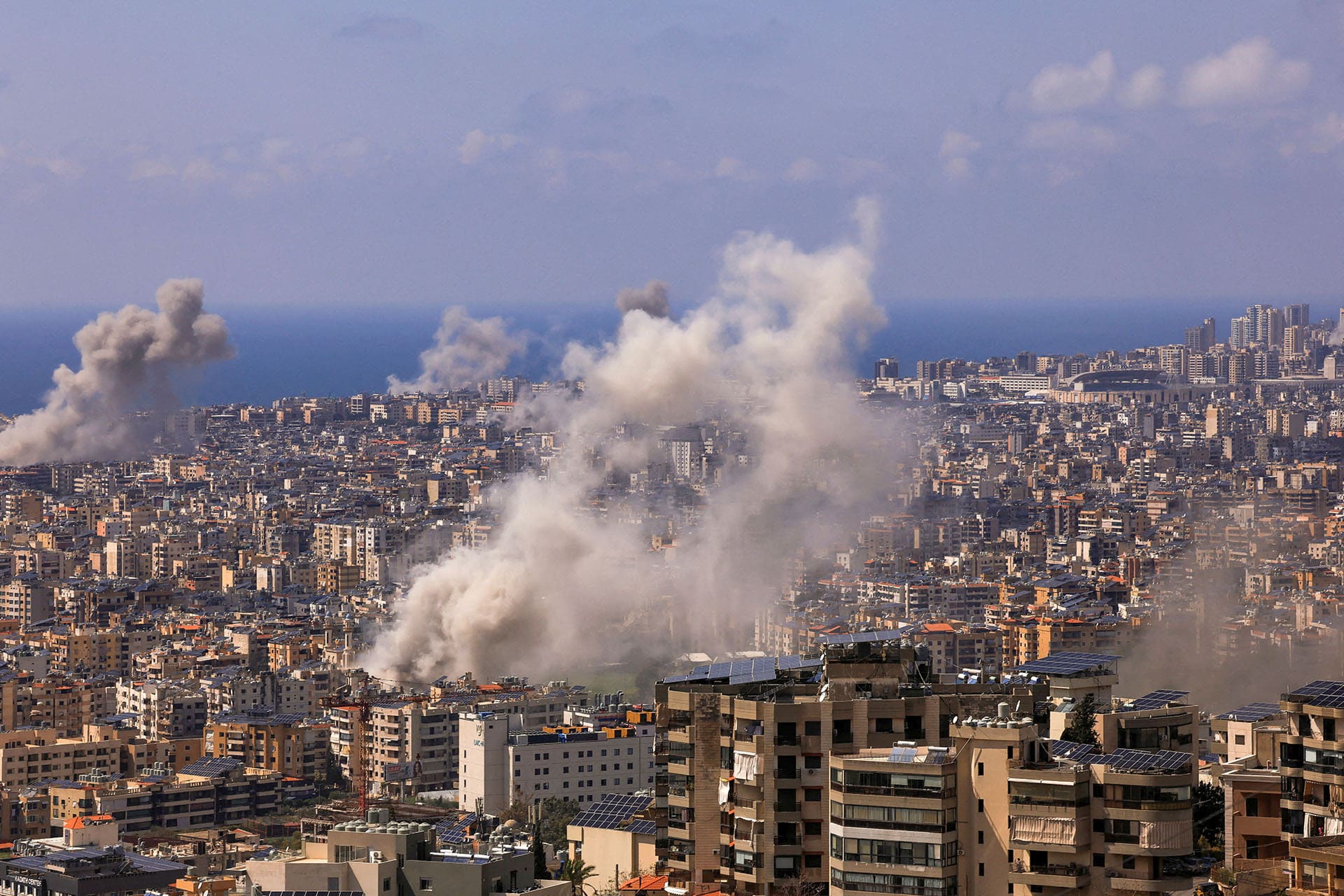
203 people killed in Lebanon on the first day of the ceasefire, per Lebanon's health ministry
Verified
 Bipi News
Talk to The Reporter
The Operator
No-nonsense execution pragmatist who cares only about what works and who will do it. Finds abstract debates worthless without implementation plans.
First call is free. 5 minutes, no sign-up required.
Pakistan's PM Sharif said the ceasefire covered "everywhere including Lebanon." Israel and the United States said it did not. Netanyahu posted on X that Israel's attacks in Lebanon would continue. On the first day of the truce, Israeli strikes across Lebanon killed at least 203 people and wounded 1,000 others, according to Lebanon's health ministry. Hezbollah fired retaliatory strikes at northern Israel.
Who
Abbas Araghchi, Iran's Foreign Minister, said safe passage requires 'Iranian military management'
This is an execution failure by design. When the mediator, the signatory, and the ally of the signatory define the geographic scope differently, every military commander in the region operates on their own interpretation. That produces exactly what happened: continued killing under the banner of peace.
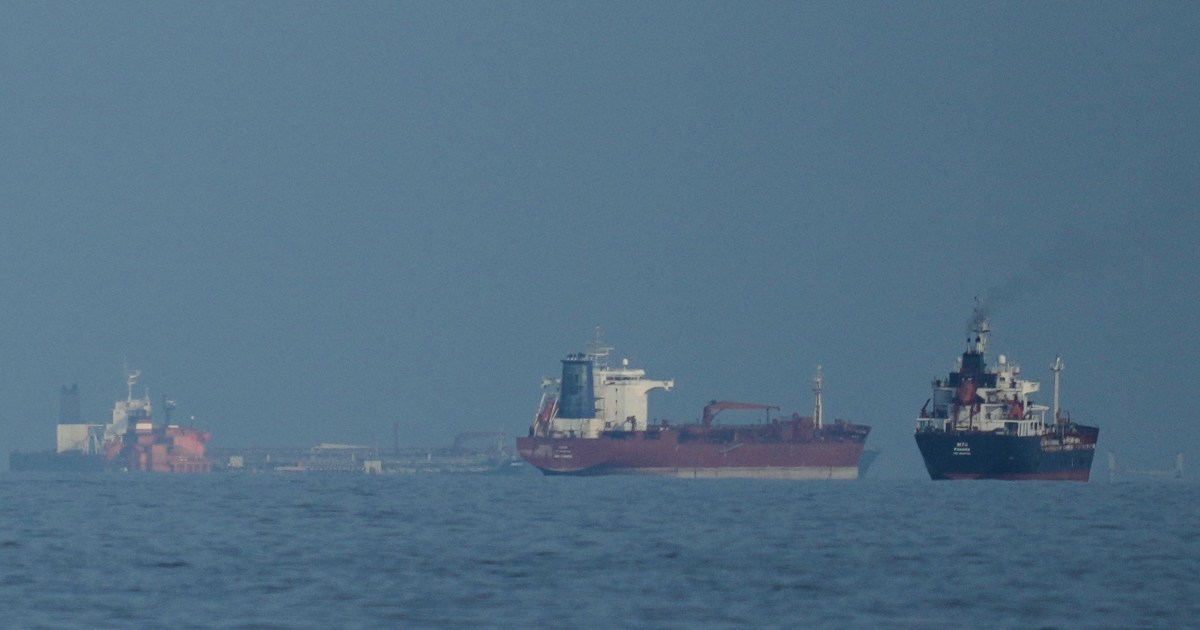
Strait of Hormuz handles 21% of global petroleum consumption; hundreds of ships remain queued
Verified
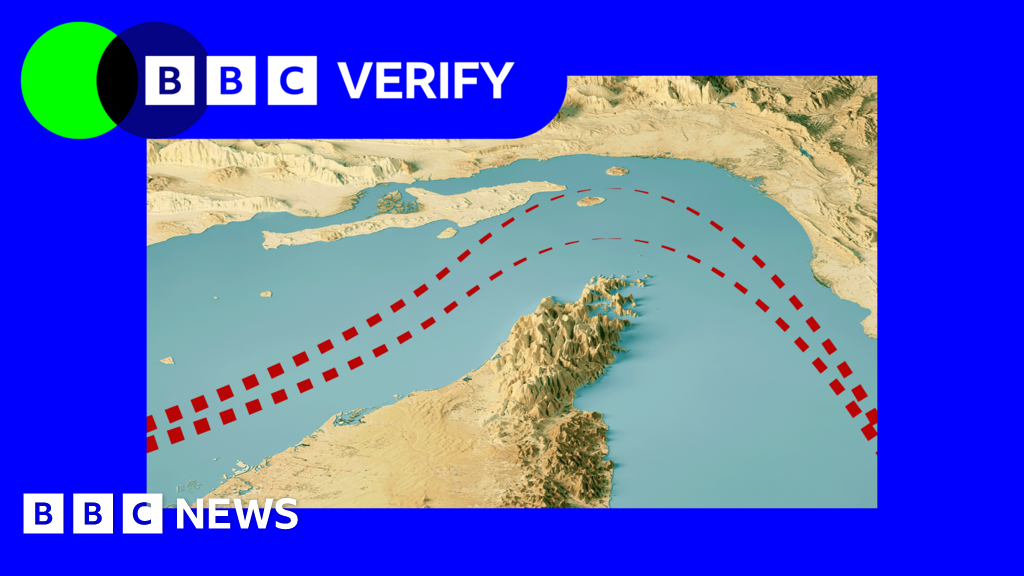
Strait of Hormuz: Open, Closed, or Managed?
At Issue
No neutral monitoring body, no shared definitions of compliance, no mine clearance protocol exists
Iran's Foreign Minister Abbas Araghchi said safe passage through the strait would be allowed under "Iranian military management." The IRGC then said shipping had halted following ceasefire violations in Lebanon. Trump told ABC News the strait could be managed "as a joint venture." Leavitt said Washington wanted full reopening with no tolls. Iran's Deputy Foreign Minister Saeed Khatibzadeh told ITV the strait was open to anyone who "coordinated with Iran" to avoid mines.
Bipi NewsThink Further on BIPI.
Unlimited access to your personalized investigative reporter agent, sourcing real-time and verified reports on any topic. Your personalized news feed starts here.
Learn moreFive officials gave five different answers about the operational status of a waterway that handles 21% of global petroleum consumption. Hundreds of ships remain queued on both sides. Mine clearance requires coordination between naval forces that, as of today, have no communication protocol. The US Fifth Fleet in Bahrain and the IRGC Navy operate on different frequencies in every sense.
How Does Verification Work With Mines Still in the Water?
Iran laid mines across the Strait of Hormuz during the conflict. Khatibzadeh's comment about coordinating to "avoid mines" confirms they remain in place. Mine clearance is a weeks-long naval operation requiring specialized vessels. The US, UK, and French navies have minesweeping capability in the region, but deploying them requires Iran to share mine location data. No framework for that exchange exists. A ceasefire with active minefields is a corridor of controlled risk, not an open waterway.
The Islamabad Talks Start Without an Agreed Agenda
Bipi NewsKnow someone who should read this?
Share this report with a friend who values evidence-based journalism.
Sharif invited US and Iranian delegations to meet in Islamabad on April 10. Tehran confirmed it would attend. The White House said it was "considering" in-person talks. No agenda has been published. No preconditions have been agreed. The 10-point plan Iran published includes sanctions removal, enrichment rights, and US military withdrawal from the Middle East. The US has rejected these demands before. Sitting down without even agreeing on what to discuss is not negotiation. It is theater with a deadline.
Where Execution Breaks First
The Lebanon gap killed this ceasefire's credibility within hours. Israel will continue striking Hezbollah targets. Iran will cite those strikes as violations. The US will say Lebanon was never part of the deal. Each side has a defensible interpretation, which means no side can be held accountable. That is the structural flaw. A ceasefire without shared definitions, shared monitoring, and shared consequences is a press release. The two-week clock is ticking, and the implementation path does not exist yet.