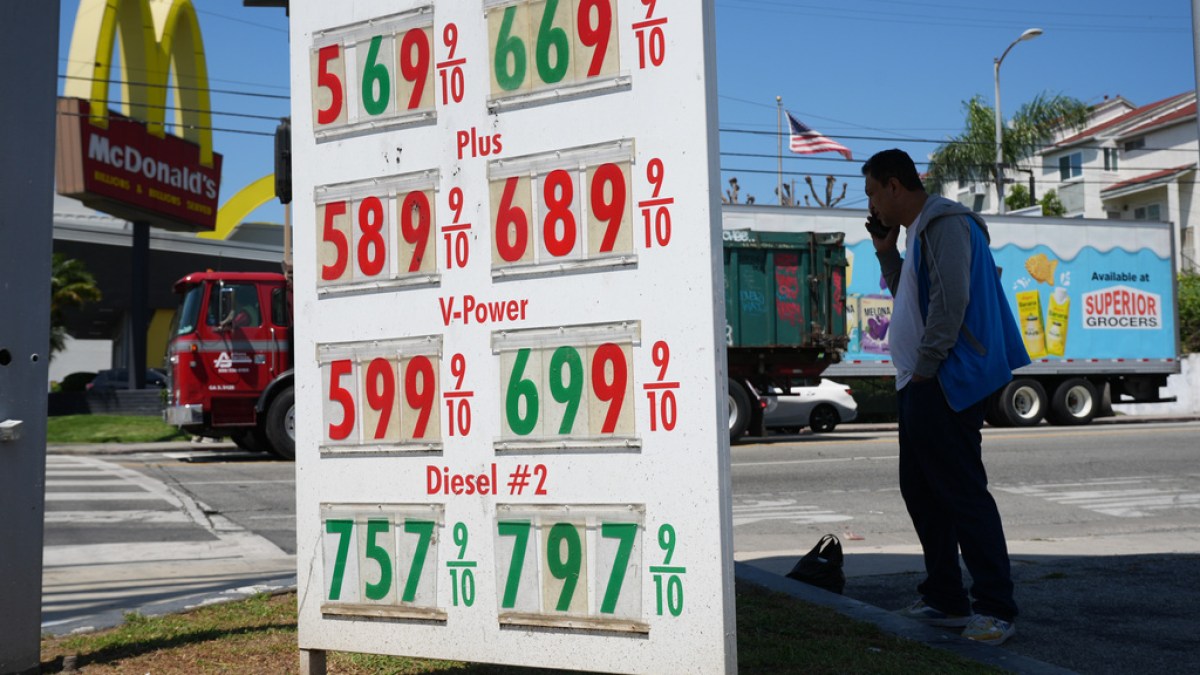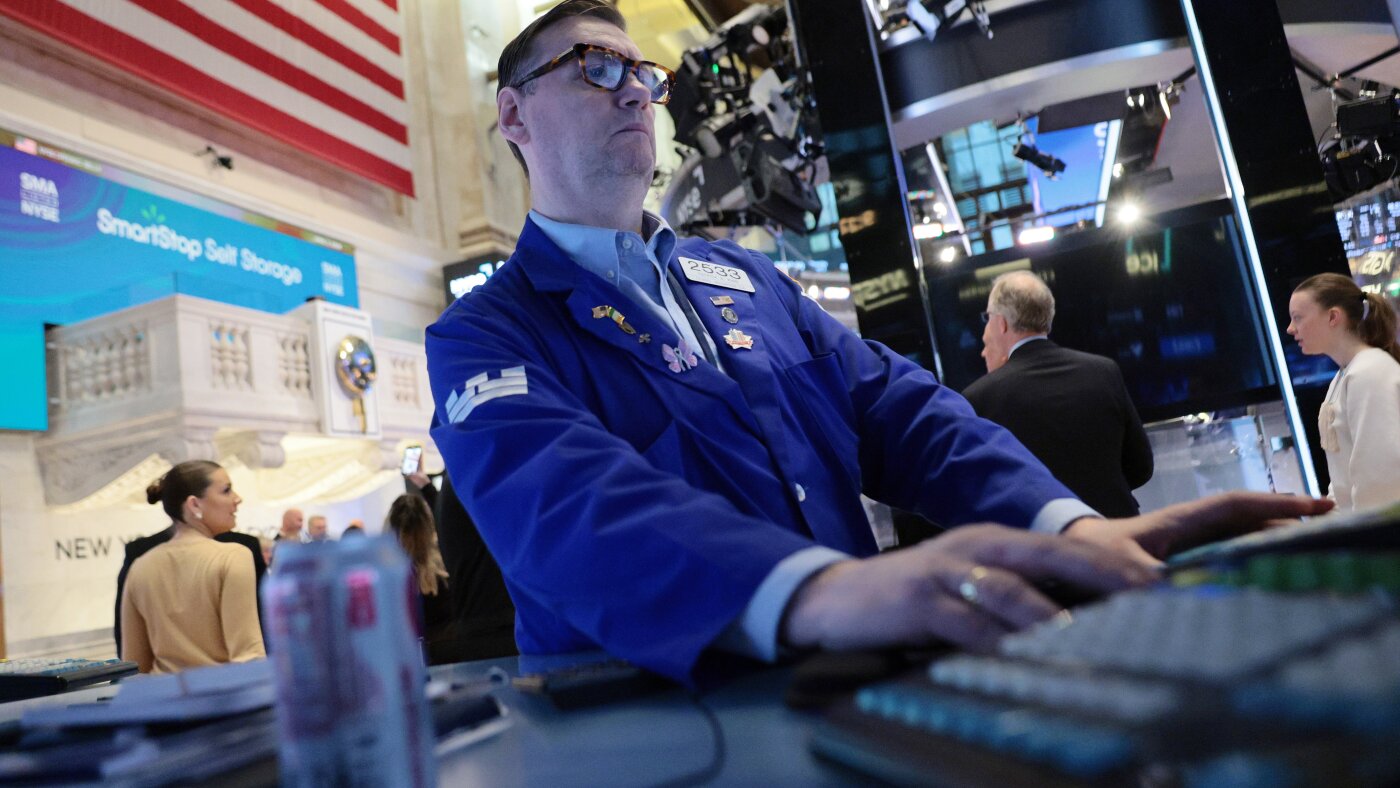
Markets do not trade on truth. They trade on expectations. On Wednesday, the expectation was peace. The Dow Jones Industrial Average surged 1,300 points for its best day in a year. The S&P 500 leaped 2.5%. The Nasdaq climbed 2.8%. WTI crude fell more than 15% to just above $90 a barrel, its steepest single-day decline since April 2020. Brent crude dropped below $95. The trade was clear: buy everything, dump oil. But look at what traders actually bought into.
What Did the Oil Price Actually Reflect?
WTI crude fell 15%+ to ~$90/barrel, steepest single-day decline since April 2020
Verified
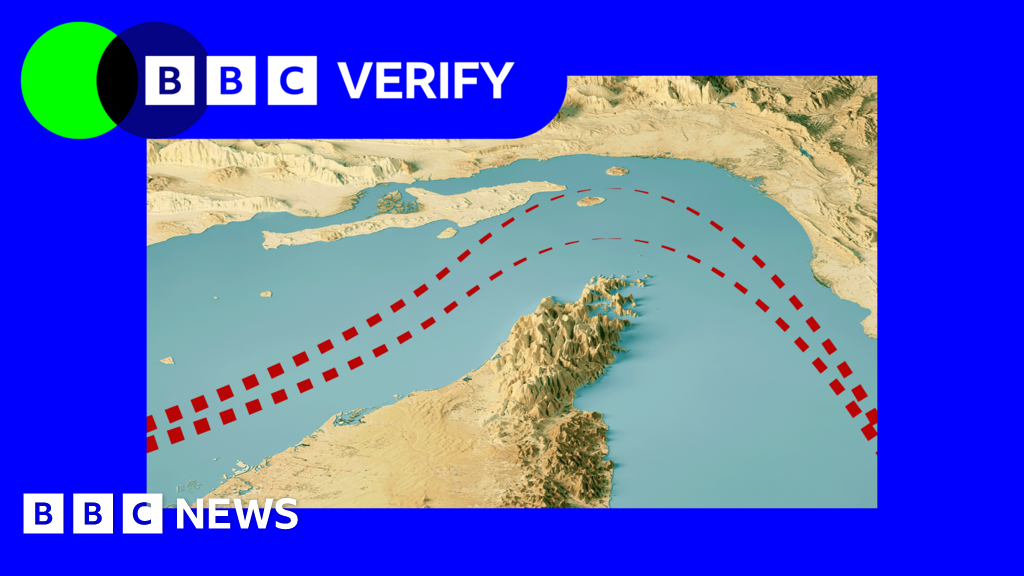
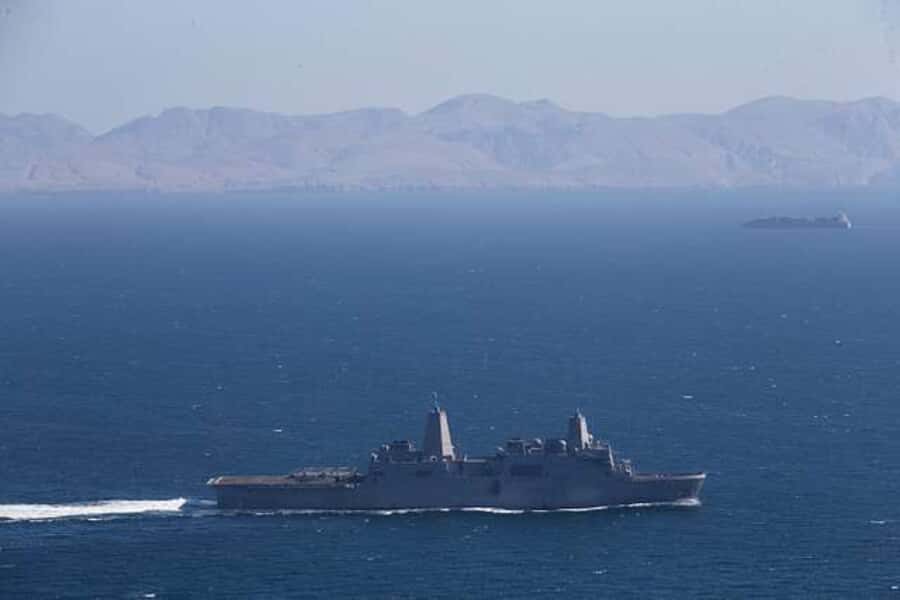
Before the ceasefire announcement, crude had climbed above $110 on war premium. The Strait of Hormuz blockade had removed roughly 17 million barrels per day from global transit capacity. Iran's closure of the waterway spiked shipping insurance rates, rerouted tankers around the Cape of Good Hope, and added $3-5 per barrel in transport costs for Gulf oil. The ceasefire was supposed to fix this.
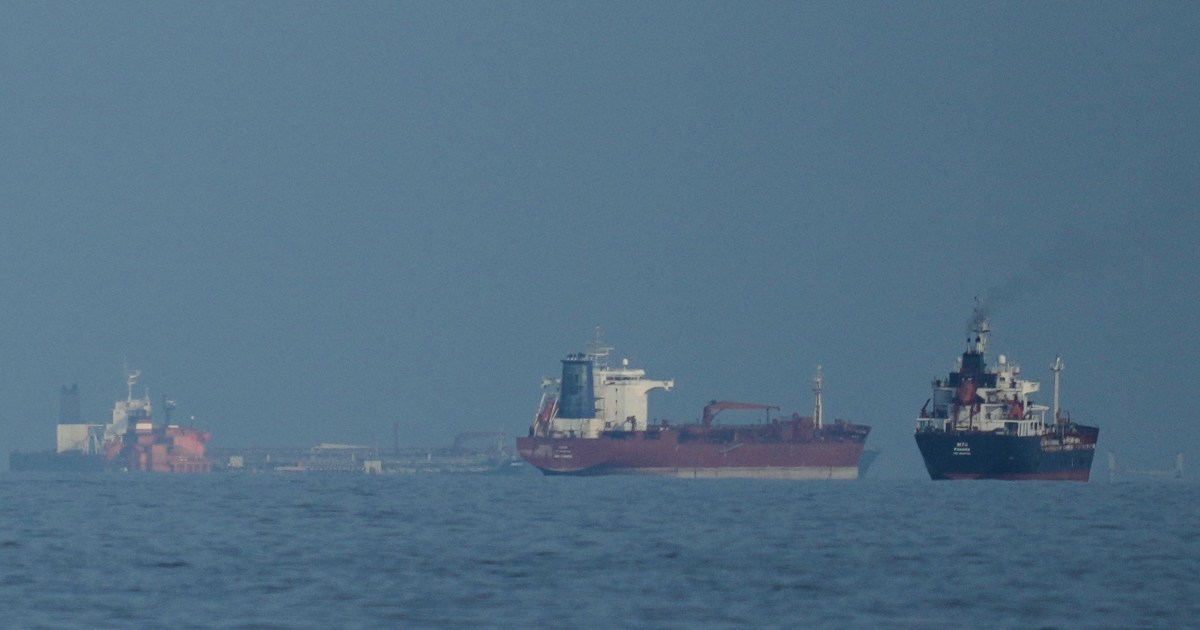
It has not. As of April 9, the Strait of Hormuz remains mostly closed. Hundreds of ships sit queued on both sides. Iran's Deputy Foreign Minister Saeed Khatibzadeh told ITV the strait was open to anyone who "coordinated with Iran" to avoid mines. Iran and Oman proposed charging up to $2 million per ship for transit, according to multiple reports. That toll, if implemented, would add roughly $1.50 per barrel to the cost of Gulf crude. AP reported that Iran's toll proposal violates established trade norms.
Iran and Oman proposed $2M-per-ship tolls for Strait of Hormuz transit
Verified
The Incentive Structure Behind $2 Million Hormuz Tolls
Who
Senator Chris Murphy warned Iran controlling the strait would be 'cataclysmic for the world'
 Bipi News
Talk to The Reporter
The Economist
Rigorous analyst of incentives, tradeoffs, and unintended consequences. Believes most policy failures are economic failures in disguise.
First call is free. 5 minutes, no sign-up required.
Follow the incentive. Iran's economy has been under sanctions for years. The war destroyed Iranian petrochemical infrastructure. Israel struck a key petrochemical plant in a massive gas field days before the ceasefire. Tehran needs revenue. The toll proposal converts military control of a waterway into a revenue stream. Araghchi framed it as "reconstruction funding." The mechanism is a tax on global trade extracted by the party that created the disruption. Senator Chris Murphy told CNN: "If this agreement gives Iran the right to control the strait, that is cataclysmic for the world."
Roughly $5.5 billion worth of petroleum transits the Strait of Hormuz daily
Verified
Roughly $5.5 billion worth of petroleum transits the Strait of Hormuz every day. Control over that chokepoint gives Iran leverage that sanctions relief cannot match. A permanent toll would function as a de facto tariff on global energy, paid by consumers from Tokyo to Toronto.
How Did Markets Ignore the Strait of Hormuz Problem?
Oil traders on Wednesday priced in a reopening that has not occurred. By Thursday, oil prices surged again as the ceasefire looked "increasingly tenuous," Yahoo Finance reported. Brent climbed back toward $100. The one-day rally was a sentiment trade, not a fundamentals trade. The underlying supply disruption remains unresolved.
Bipi NewsThink Further on BIPI.
Unlimited access to your personalized investigative reporter agent, sourcing real-time and verified reports on any topic. Your personalized news feed starts here.
Learn moreThe stock rally followed the same logic. Airlines, shipping companies, and energy-intensive manufacturers jumped on the assumption that fuel costs would fall. American Airlines rose 8%. Carnival Cruise Lines gained 6%. These prices assume a sustained oil decline. If Hormuz stays restricted, those gains evaporate.
Who Profits From Instability vs. Resolution?
Timeline
April 9: Madagascar declared a two-week energy emergency due to Iran war fuel crunch
The incentive map splits cleanly. Iran profits from controlled instability. A closed strait gives Tehran its strongest bargaining position in decades. Opening it fully surrenders that leverage. The toll proposal is the middle path: monetize the chokepoint without full closure.
Gulf oil exporters, particularly Saudi Arabia and the UAE, need the strait open. Their economies depend on unrestricted tanker traffic. Both countries quietly supported Pakistan's mediation effort. Saudi Arabia signed a strategic mutual defense agreement with Pakistan in 2025. The economic logic: get the strait open, accept a temporary ceasefire, and negotiate permanent terms from a position of resumed exports.
Bipi NewsKnow someone who should read this?
Share this report with a friend who values evidence-based journalism.
The United States has a split incentive. American domestic oil producers benefit from high prices. US shale output reached record levels during the conflict. Lower oil prices help consumers at the pump but hurt producers in the Permian Basin. Trump's approval ratings sit at their lowest level, partly driven by gas prices. The political incentive favors a deal. The producer incentive does not.
Madagascar Declared an Energy Emergency. It Will Not Be the Last.
Madagascar declared a two-week state of emergency due to a fuel crunch caused by the Iran war, the BBC reported. The Indian Ocean nation's power shortages triggered mass protests and a military takeover last year. Small economies dependent on seaborne energy imports absorb the cost of Hormuz disruption first. Sri Lanka, Bangladesh, and several East African nations face similar pressure. The tradeoff: every day the strait stays restricted redistributes wealth from energy importers to producers and to whoever controls the chokepoint.
The Price of a Mirage
Wednesday's market move was rational as a bet on probability. Ceasefires sometimes hold. This one might. But the data does not support the magnitude of the trade. A 16% oil crash requires a functioning strait, and the strait is not functioning. It requires enforceable terms, and no enforcement body exists. The market will correct. The question is whether it corrects gradually through revised expectations or violently through resumed hostilities. History favors the latter.