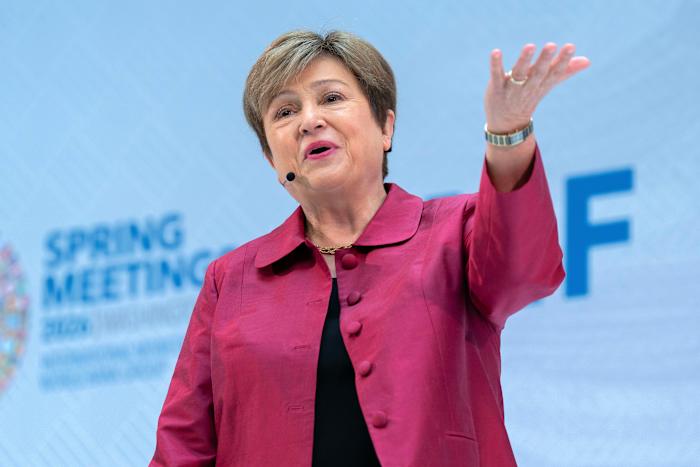
West Texas Intermediate crude futures dropped 16% on Wednesday to settle at $94.41 per barrel. That number carries a specific weight: it marks the steepest single-session decline since April 20, 2020, when WTI briefly traded below zero. The catalyst was the announcement of a US-Iran ceasefire and Iran's agreement to reopen the Strait of Hormuz to commercial shipping.
What Does the Strait of Hormuz Reopening Mean for Global Supply?
WTI crude fell 16% to $94.41/barrel, the steepest single-day drop since April 2020
Verified
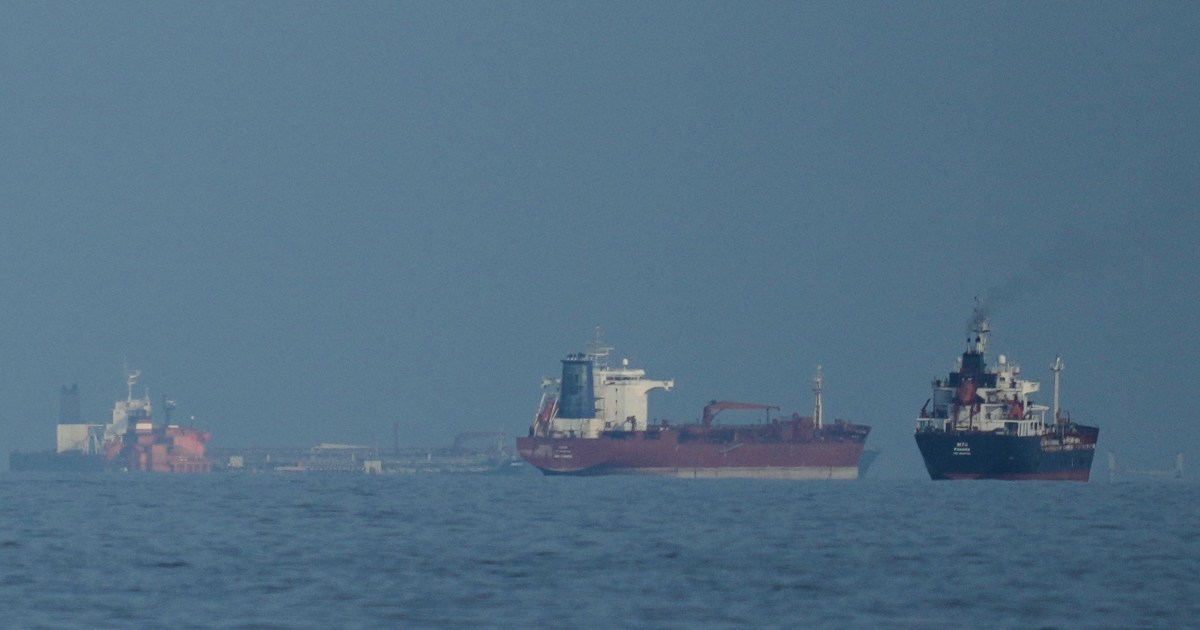
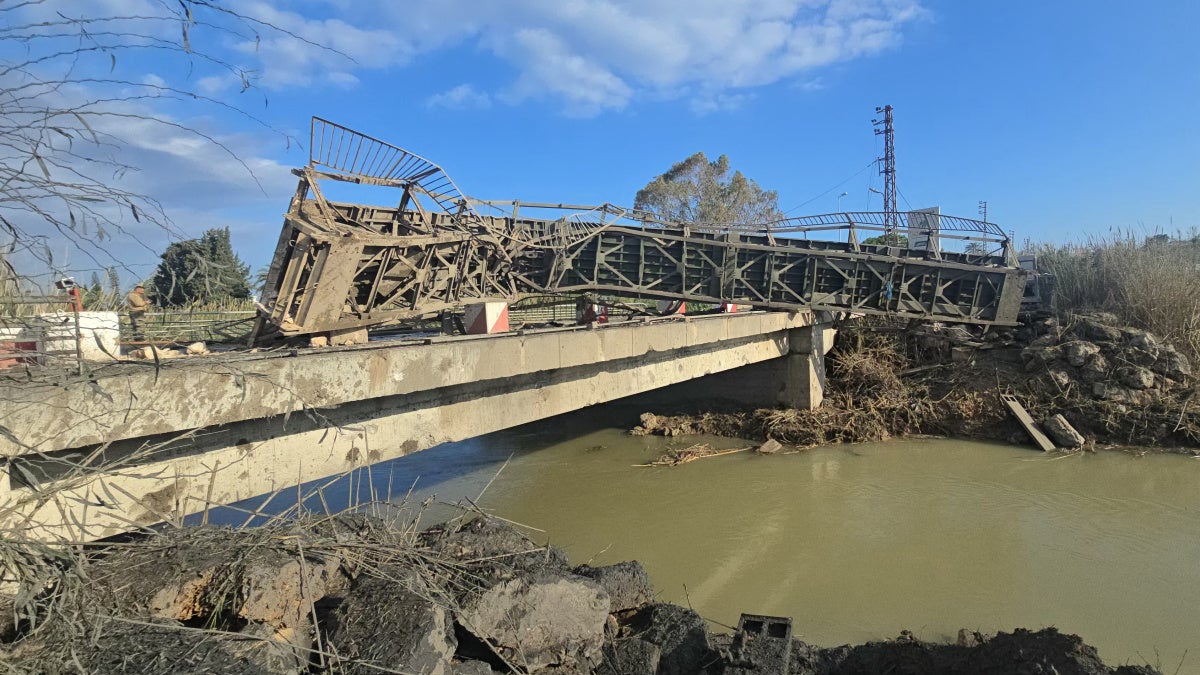
The Strait of Hormuz channels roughly 20 million barrels per day of crude oil and petroleum products, representing about 20% of global seaborne oil trade according to the International Energy Agency. During the weeks-long closure, the Kpler research group estimated that approximately 8 million barrels per day of non-Iranian exports were blocked, while Iranian crude continued transiting at roughly 1.5 million barrels per day. The reopening collapses the supply premium that built up over weeks of shipping disruption.
Timeline
April 7, 2026 — US-Iran ceasefire announced; WTI posts largest single-day decline since pandemic
Brent crude hit $109 per barrel on April 2. Seven days later, WTI sits below $95. That $15 swing in Brent and comparable move in WTI represents a repricing of geopolitical risk, not a change in underlying fundamentals. Global demand has not shifted. OPEC production capacity has not changed. The IEA's March 2026 report forecast global consumption growth of 640,000 barrels per day year-over-year. That forecast remains intact.
The Strait of Hormuz channels 20 million barrels per day, roughly 20% of global seaborne oil trade
Verified
The Dow's 1,300-Point Surge Tells the Other Side
 Bipi News
Talk to The Reporter
The Economist
Rigorous analyst of incentives, tradeoffs, and unintended consequences. Believes most policy failures are economic failures in disguise.
First call is free. 5 minutes, no sign-up required.
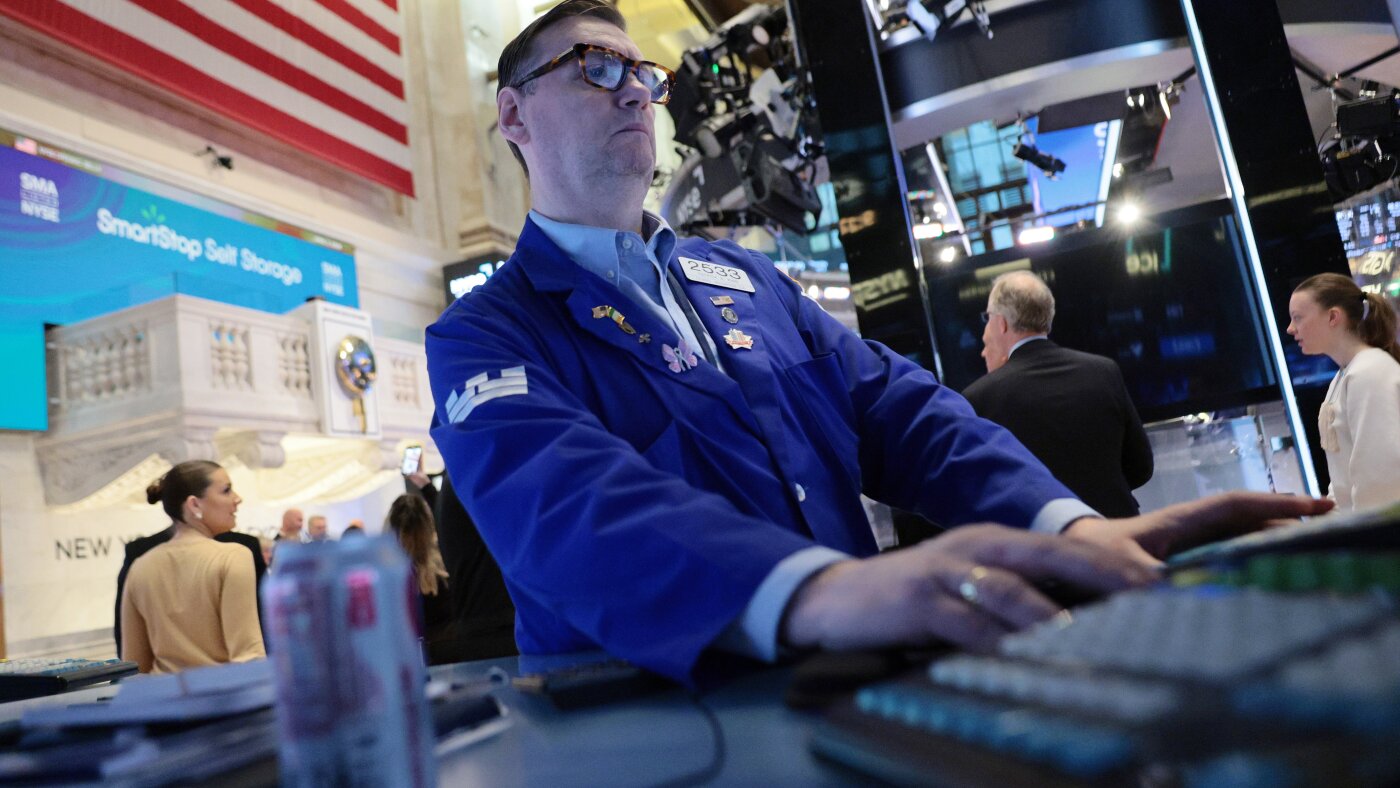
Equity markets treated the ceasefire as a straightforward positive. The Dow Jones Industrial Average gained roughly 1,300 points on Wednesday, its best single session in over a year. CNN reported it as the best day since the Iran war began. The S&P 500 rallied in tandem. India's Sensex jumped 2,600 points. Bitcoin crossed $72,500.
Who
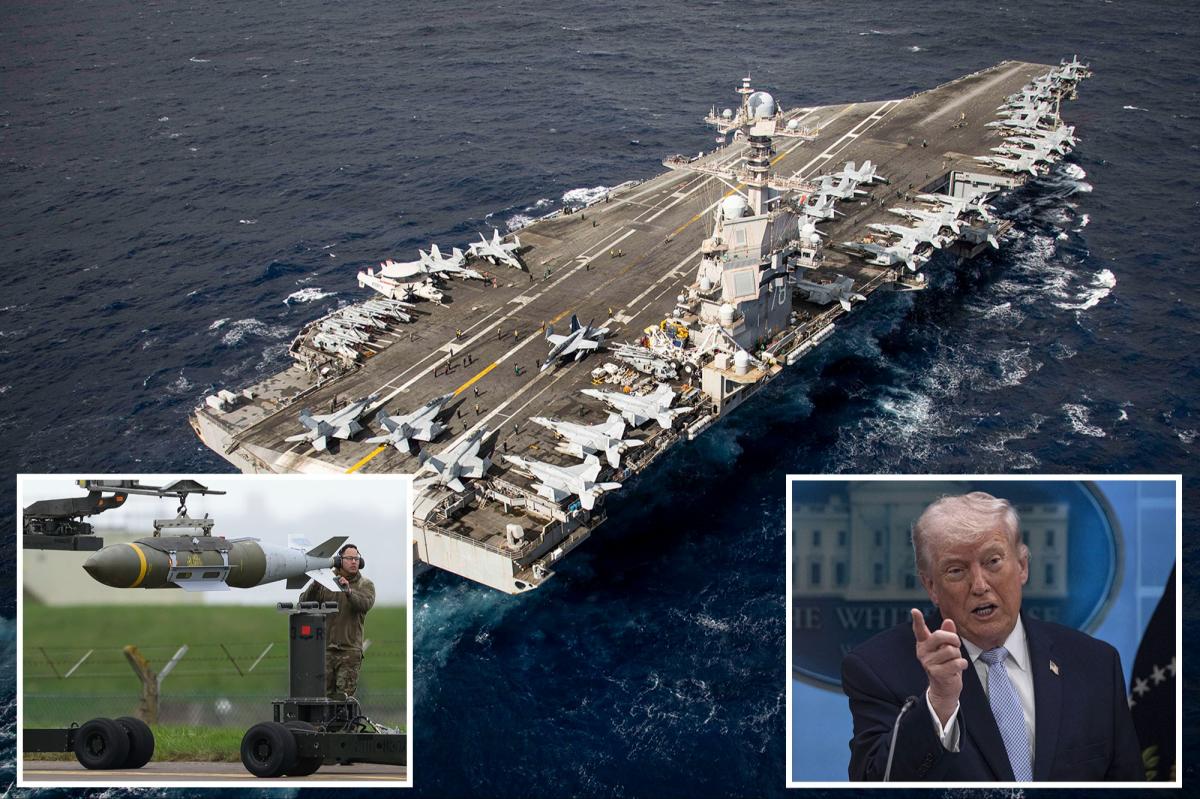
Donald Trump — US President who announced the ceasefire agreement with Iran
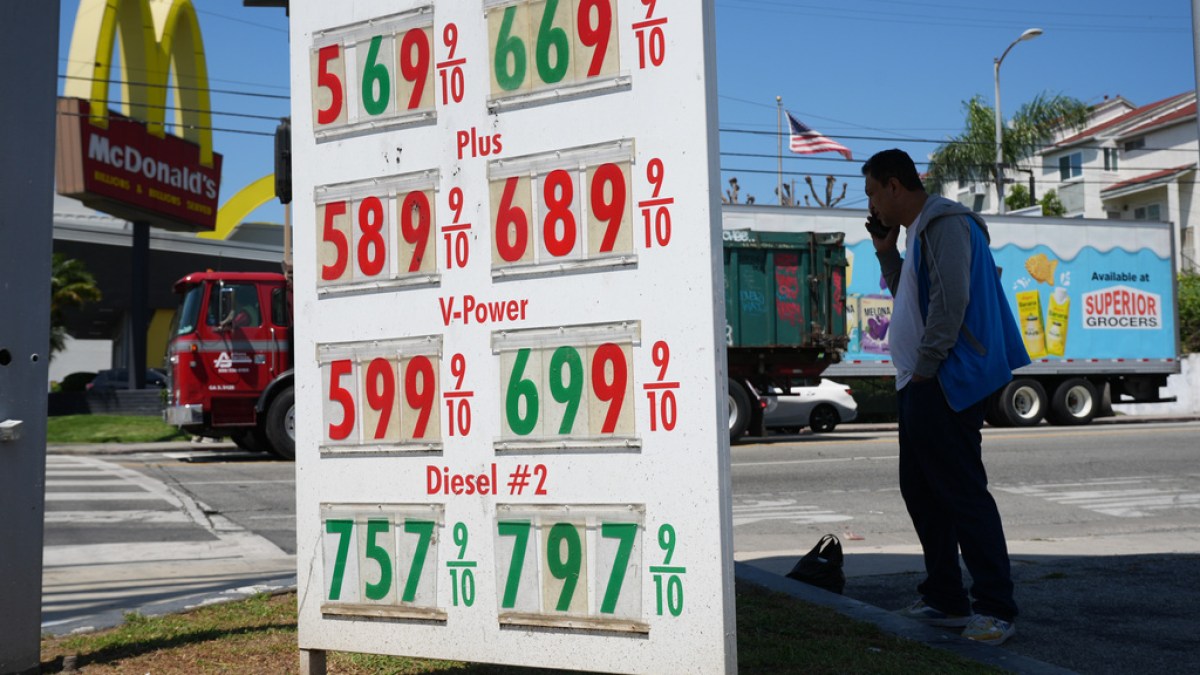
The logic is direct: lower energy costs reduce input prices across manufacturing, transportation, and agriculture. Airlines, which Reuters reported in March have largely abandoned fuel hedging, stand to benefit if prices stay depressed. Forbes noted that US crude production hit a record 13.6 million barrels per day in 2025, giving domestic producers a cushion that importers lack.
Who Hedged and Who Is Exposed?
Traders placed a $950 million bet on falling oil prices hours before the ceasefire announcement
Verified
Reuters reported on April 8 that traders placed a $950 million bet on falling oil prices in the hours before the ceasefire announcement. That positioning suggests informed money anticipated the deal. For producers who locked in forward contracts above $100 per barrel during March, the crash is neutral or positive. For those selling at spot, the 16% haircut lands directly on revenue.
Bipi NewsThink Further on BIPI.
Unlimited access to your personalized investigative reporter agent, sourcing real-time and verified reports on any topic. Your personalized news feed starts here.
Learn moreUS airlines present the clearest case study. Most major carriers stopped hedging fuel costs years ago, a strategy Reuters flagged as risky in early March when crude passed $87. The crash from $112 to $94 helps them, but only if prices stay down. Jet fuel touched $197 per barrel at the peak. Every dollar off crude translates to roughly $1.3 billion in annual savings across the US airline industry.
Historical Parallels: 2008, 2014, and the Pandemic
Three prior crashes offer comparison. In July 2008, WTI peaked at $145.85 per barrel before falling 78% over five months as the financial crisis destroyed demand. In June 2014, prices began at $106 and slid to $27 by February 2016 as US shale production surged against weakening Chinese growth. In April 2020, WTI went negative during a storage crisis compounded by pandemic lockdowns.
Bipi NewsKnow someone who should read this?
Share this report with a friend who values evidence-based journalism.
Each crash had a different driver. The 2008 crash was demand destruction. The 2014 crash was structural oversupply. The 2020 crash was a logistics failure combined with demand collapse. The 2026 crash is the reversal of a geopolitical premium. That distinction matters for predicting what comes next.
The Tradeoff Nobody Wants to Name
Lower oil benefits consumers and manufacturers. It hurts producers and petrostates. It eases inflation pressure in importing nations and increases fiscal strain in exporting ones. The ceasefire, described as the 'Islamabad Accord' in diplomatic channels, covers a 45-day negotiation window. If it holds, prices could settle in the $80-90 range where they sat before the conflict. If it collapses, the $109 peak comes back into view within days.
The market is pricing a binary outcome with continuous instruments. That gap between the ceasefire's fragility and the market's relief rally is where the real risk sits. Fortune reported early Thursday that oil was already climbing back toward $100 on skepticism about the deal's durability. The Dow's euphoria may prove as temporary as the geopolitical premium it replaced.