Everyone says they want peace. Nobody means the same thing by it. Iran wants sanctions removed and its nuclear program validated. Trump wants gas prices down before the midterm elections. Pakistan wants to graduate from regional player to global mediator. Israel wants to keep hitting Hezbollah in Lebanon regardless of what Washington signs. These goals are not compatible. The ceasefire is a two-week container for irreconcilable positions.
Iran's Real Position: Keep the Leverage, Normalize It
Iran published a 10-point plan that reads like a maximalist opening bid. Sanctions removal. Enrichment rights. US military withdrawal from the Middle East. Frozen asset release. Continued control of the Strait of Hormuz. These demands look unreasonable until you map what Iran gained from the war.
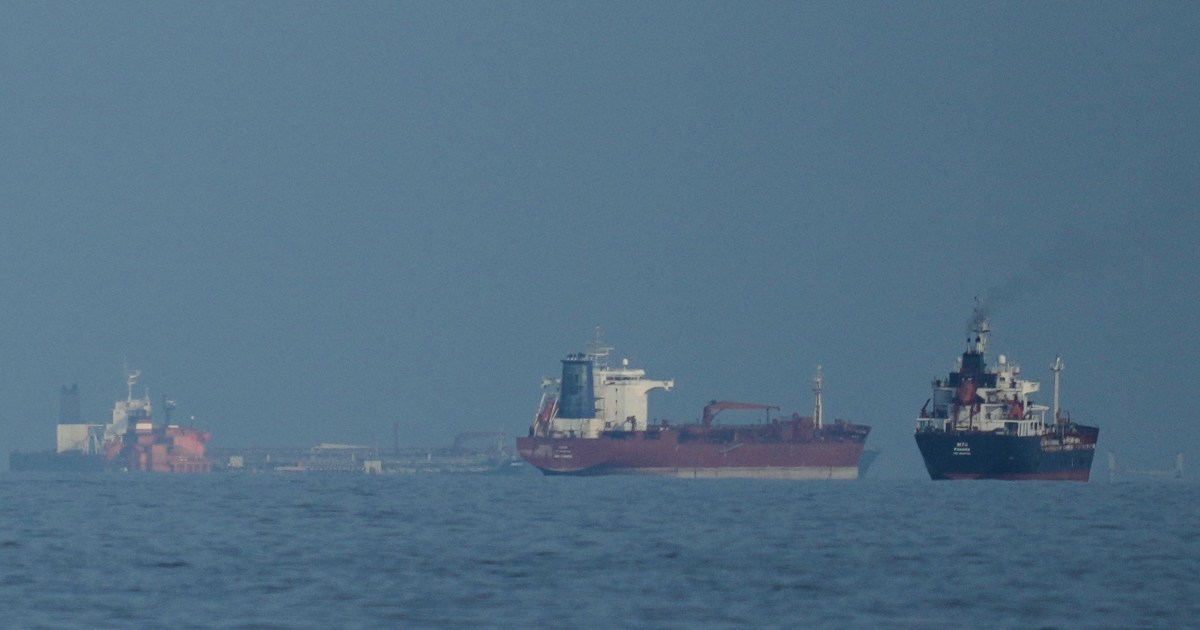
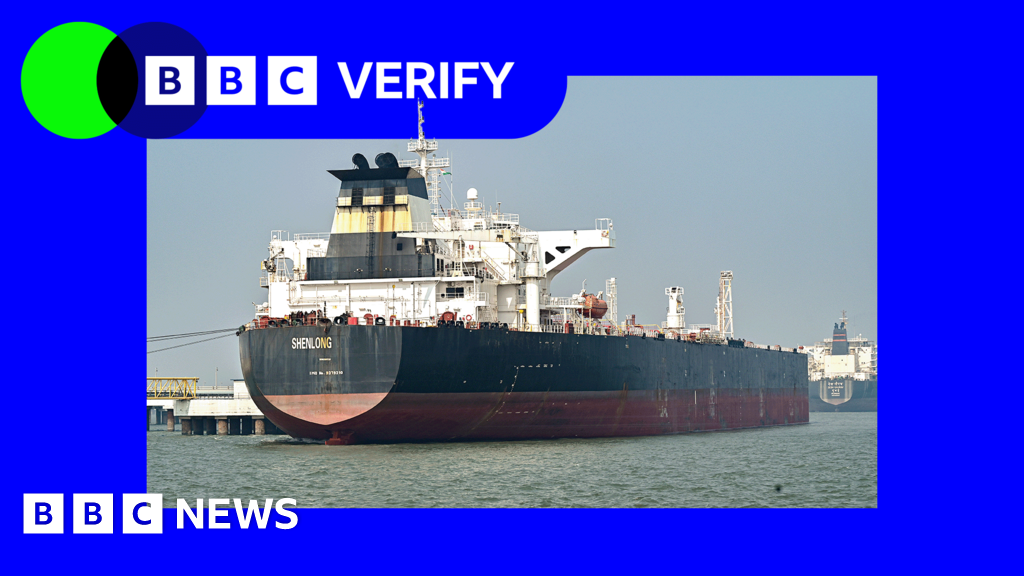
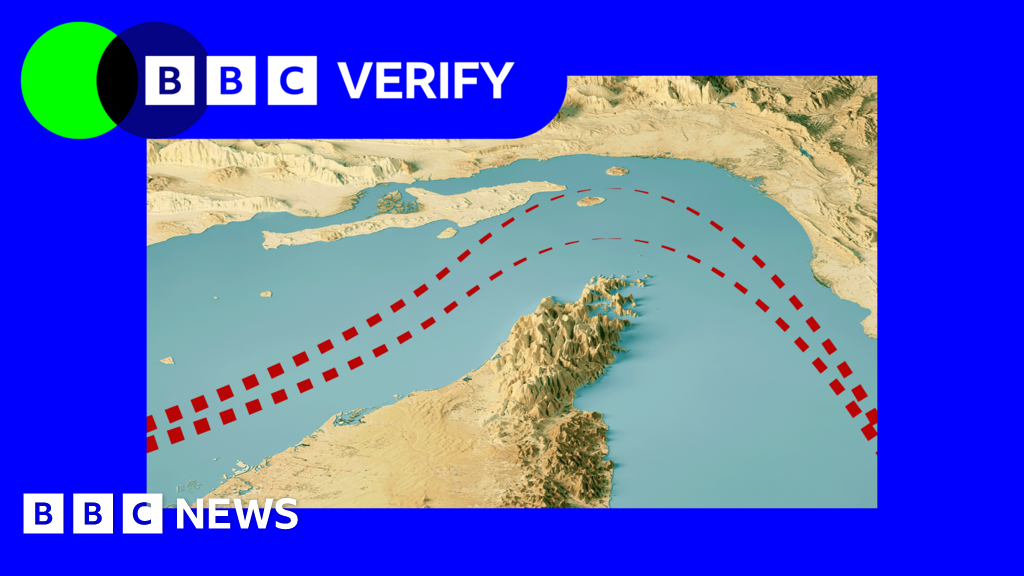
Iran held no control over the Strait of Hormuz before the war; it now has mines and military management of transit
Verified
Before the conflict, Iran controlled none of the Strait of Hormuz. Today, it has mines in the water and military management of transit. The toll proposal, charging ships up to $2 million for passage, converts a wartime seizure into a peacetime revenue stream. Iran's Deputy Foreign Minister Khatibzadeh told ITV the strait is open to anyone who "coordinates" with Tehran. That language frames cooperation as a choice rather than capitulation. Tehran's negotiating objective: make the temporary permanent. If talks produce a deal that acknowledges Iranian oversight of Hormuz transit, the war paid for itself.
At Issue
Enrichment clause appeared in Farsi version of 10-point plan but was absent from English translations
The enrichment clause appeared in the Farsi version of the 10-point plan but was absent from English translations shared with journalists. That omission is strategic. It keeps enrichment on the table for direct negotiations while avoiding a public American rejection before talks begin. Iran's negotiators learned from the JCPOA collapse: do not give Washington a headline to kill the deal before the meeting.
What Is Trump's Domestic Timeline?
Trump's approval ratings at lowest level; large majorities of Americans oppose the war
Verified
 Bipi News
Talk to The Reporter
The Realist
Unflinching empiricist who accepts the world as it is rather than as we wish it were. Views idealism as a luxury of people who don't bear the consequences of failure.
First call is free. 5 minutes, no sign-up required.
Trump's approval ratings have hit their lowest level. Polls show large majorities of Americans oppose the war and resent rising gas prices. The 2026 midterm campaign is accelerating. Republicans hold narrow majorities in both chambers, and recent special election losses have rattled the party. Trump needs gas prices to drop and a foreign policy win he can claim.
Who
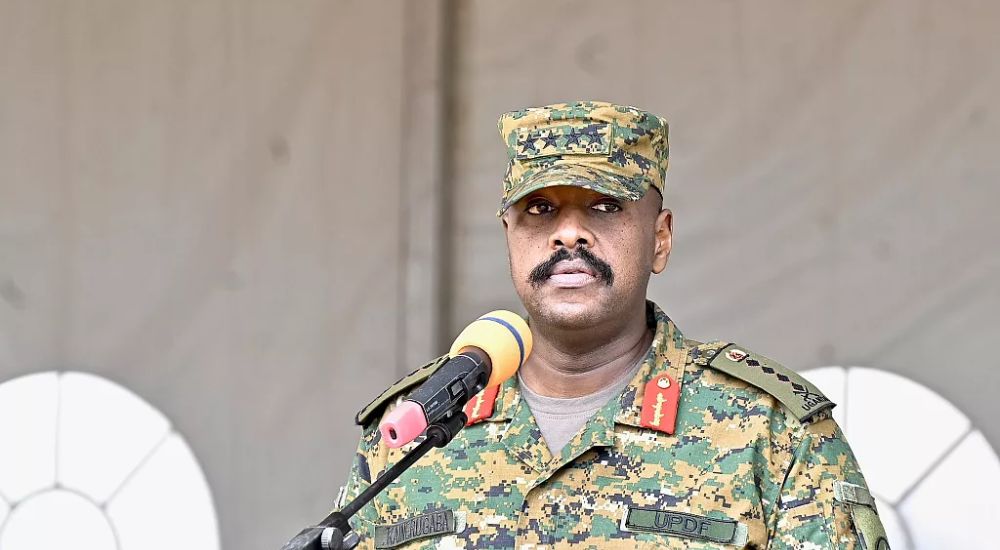
Field Marshal Asim Munir, Pakistan's army chief, built personal rapport with Trump during Kashmir crisis
The ceasefire delivers both, temporarily. Oil fell 15% on Wednesday. Trump posted about a "workable" deal. The political math: a two-week ceasefire that lowers gas prices through the next news cycle buys time. If talks in Islamabad produce a framework, Trump claims credit. If they collapse, he blames Iran. The constraint: Trump threatened to erase Iran's civilization less than 48 hours before accepting the ceasefire. Walking that rhetoric back without appearing weak requires the deal to look like submission by Tehran, not compromise by Washington.
Why Did Pakistan Risk This Mediation?
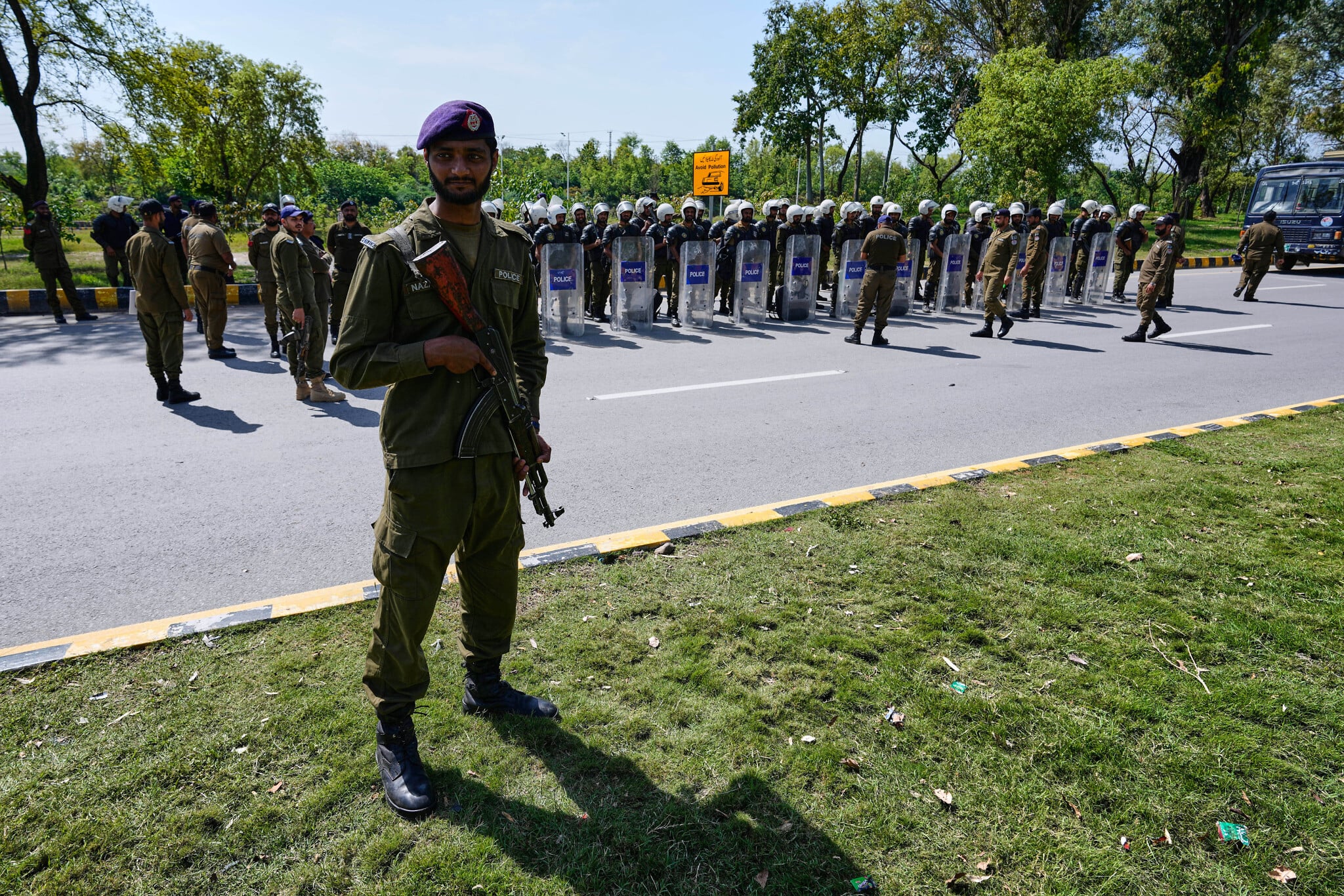
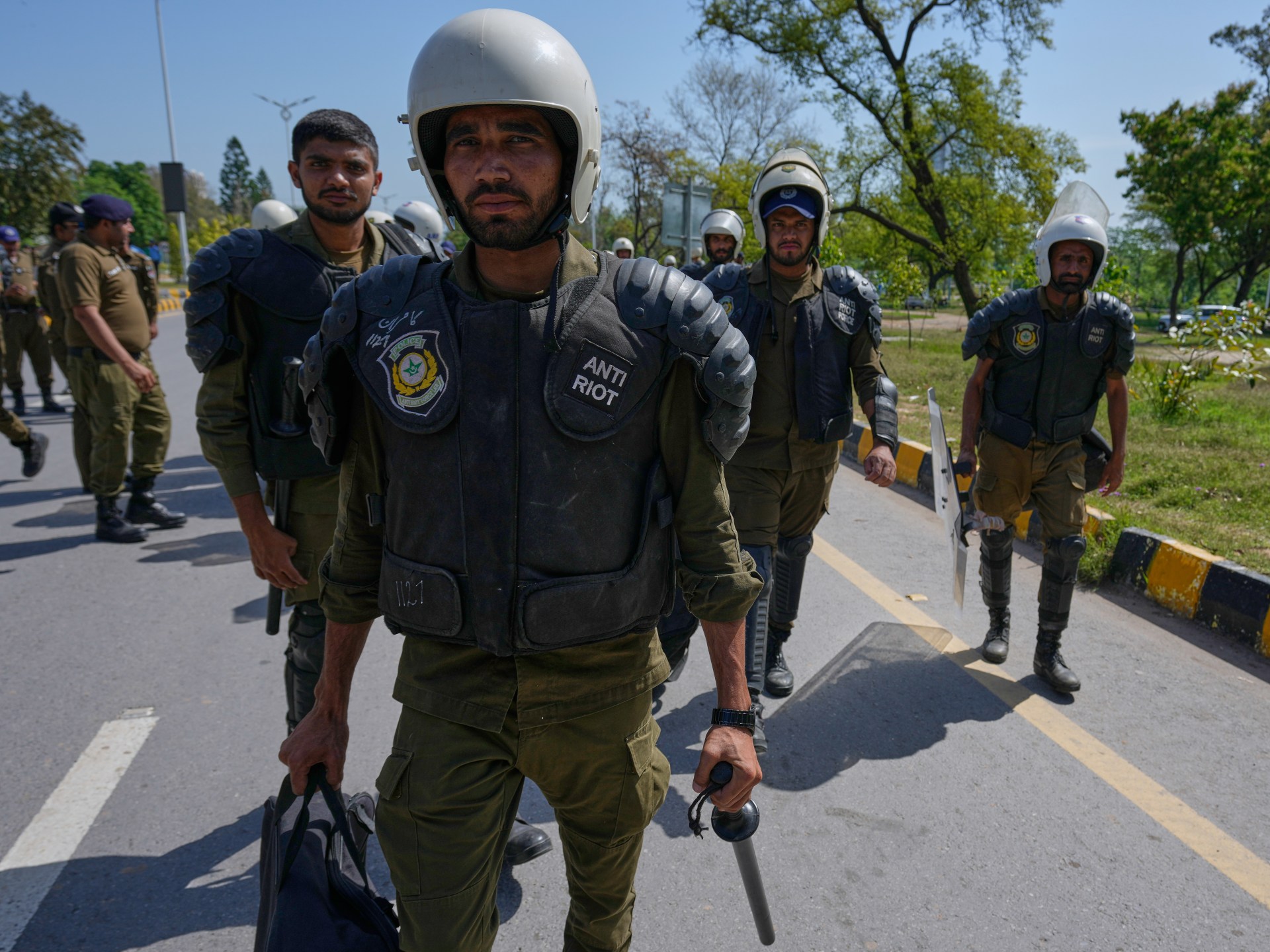
Pakistan's structural advantages as mediator are real. A 900-kilometer border with Iran. The world's second-largest Shia population. Army Chief Asim Munir's personal rapport with Trump. Pakistan represents Iranian diplomatic interests in Washington. Former ambassador Asif Durrani called Pakistan "the only country in the region enjoying good relations with the US and Iran."
Timeline
April 10: US and Iranian delegations expected in Islamabad for talks with no agreed agenda
The incentive runs deeper than diplomacy. Pakistan is fighting a war with Afghanistan. It traded strikes with India less than a year ago. Its economy depends on oil imports through the Strait of Hormuz. Continued disruption meant fuel shortages and austerity for a cash-strapped government. China, Pakistan's close ally and Iran's largest trading partner, encouraged the mediation. Beijing wants Hormuz open for its own energy security. Pakistan delivered the ceasefire partly because China needed it to.
Bipi NewsThink Further on BIPI.
Unlimited access to your personalized investigative reporter agent, sourcing real-time and verified reports on any topic. Your personalized news feed starts here.
Learn moreDoes Israel Blink or Escalate?
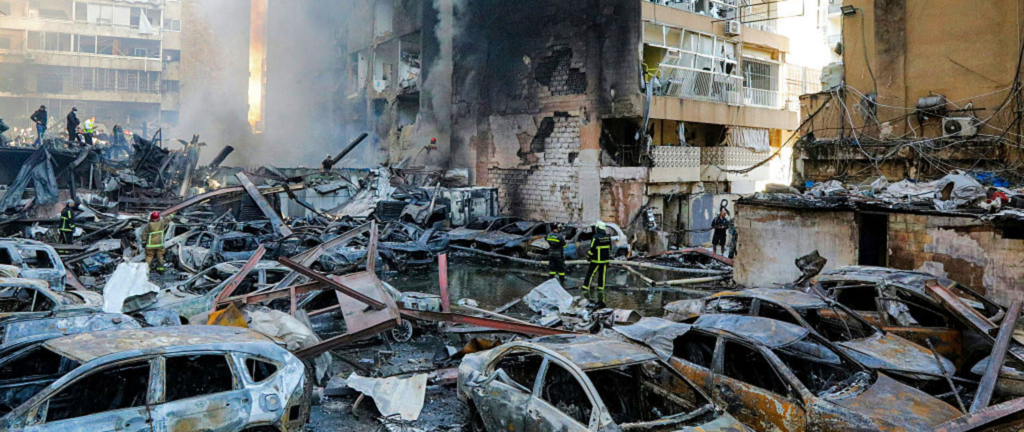
Israel agreed to the ceasefire in name but excluded Lebanon from its scope. Netanyahu posted that attacks on Hezbollah would continue. On the first day of the truce, Israeli strikes killed 203 people in Lebanon and displaced 1.2 million others since the conflict expanded. Hezbollah retaliated with strikes on northern Israel.
Israel's calculation: the Iran ceasefire gives cover to intensify operations against Hezbollah. With Washington focused on Islamabad talks and oil prices, Netanyahu has a window to pursue military objectives in Lebanon without American pushback. Trump asked Netanyahu to scale back attacks in Lebanon during a phone call Wednesday, CNN reported. Netanyahu authorized direct talks with Lebanon afterward, a concession that costs nothing while preserving the military campaign.
Who Blinks First at the Islamabad Table?
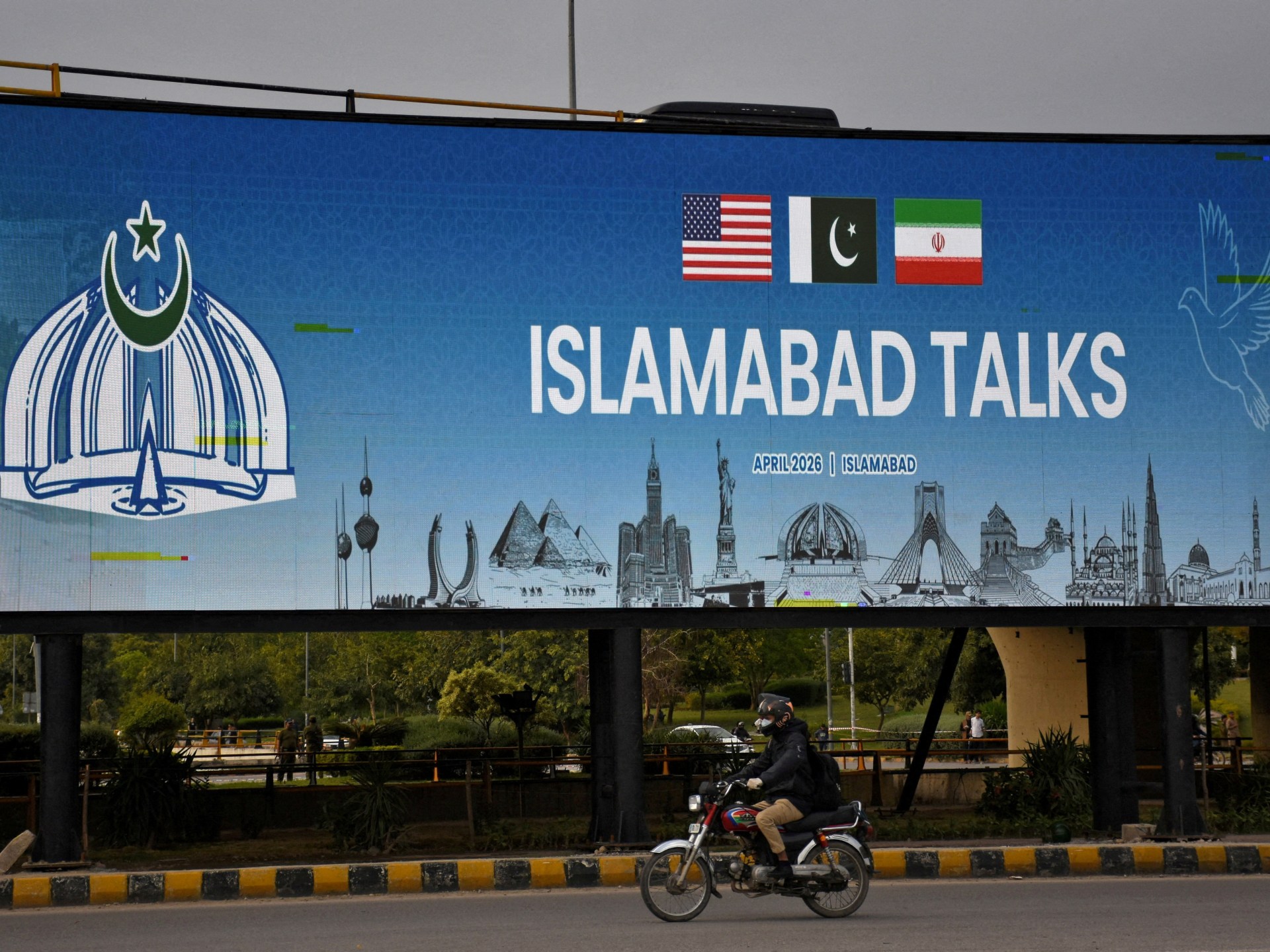
The talks begin April 10 with no agreed agenda. Iran wants permanent concessions. The US wants a verifiable halt to enrichment and full Hormuz reopening. Pakistan wants a deal that validates its mediator status. Each side can afford to wait. Iran has leverage through Hormuz. The US has military superiority. Pakistan has the venue.
Bipi NewsKnow someone who should read this?
Share this report with a friend who values evidence-based journalism.
The constraint that forces movement: the two-week clock. If the ceasefire expires without a framework, Trump faces a binary choice. Resume bombing, which polls show voters oppose, or extend the ceasefire, which looks like stalling. Iran faces a parallel constraint: the mines degrade, the toll revenue has not materialized, and every day of closure damages Iran's credibility as a strait manager rather than a strait blocker.
The Terrain as It Is
This ceasefire survives only if each side gets enough to justify not walking away. Iran needs something on sanctions or enrichment. Trump needs something on gas prices and Hormuz. Pakistan needs the talks to produce a statement. Israel needs the freedom to operate in Lebanon. The two-week window is too short for a permanent deal and too long for a bluff. Expect a framework announcement that defers every hard question to a second round of talks. The world as it is does not produce clean resolutions. It produces managed ambiguity. That is what Islamabad will deliver, if it delivers anything at all.