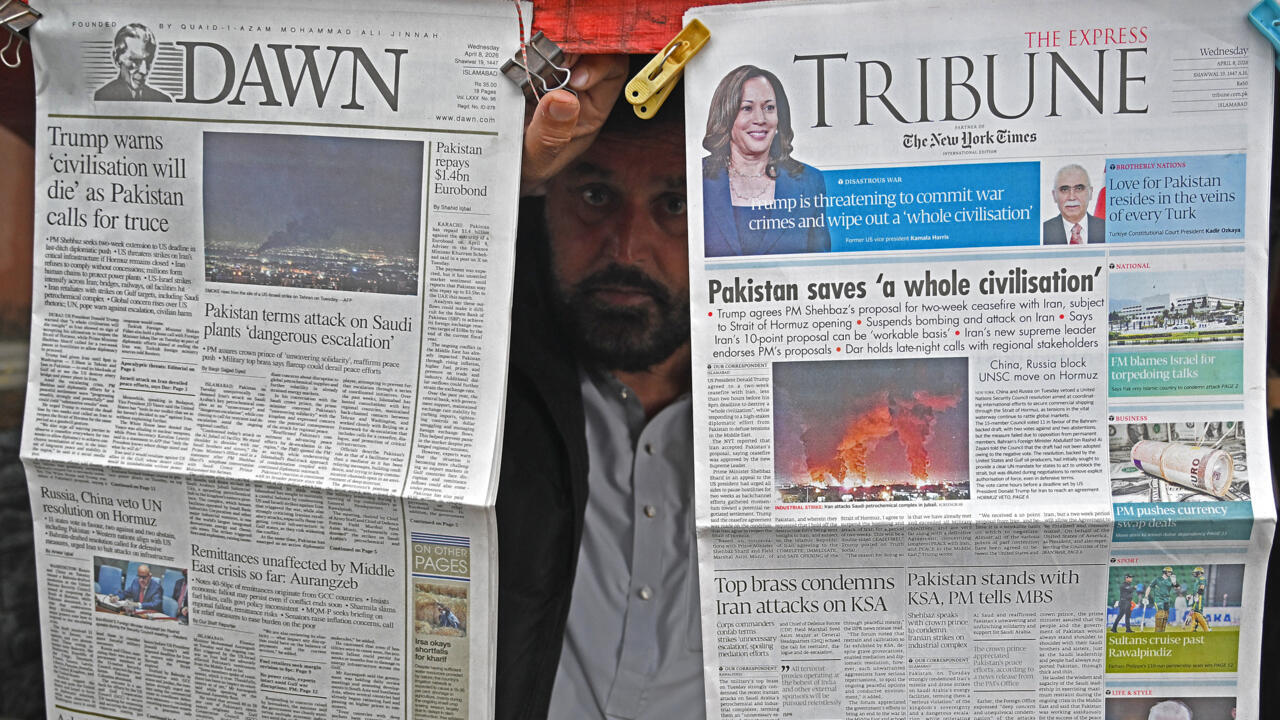
Three parties walked away from Tuesday night's ceasefire announcement claiming victory. Trump posted that he had received a "workable" proposal. Pakistan's Prime Minister Shehbaz Sharif declared "one of its biggest diplomatic wins in years." Iran's state media published a 10-point plan that, if taken at face value, rewrites the regional order. Somebody is wrong. Possibly all three.
The Criteria: Evidence, Logic, and Internal Consistency
Any ceasefire deal can be evaluated across three dimensions. First, does the stated position match the observable facts? Second, does the internal logic hold under pressure? Third, does the party's own behavior contradict its stated goals? Apply these standards equally to Trump, Iran, and Pakistan, and the picture clarifies fast.
Trump's "Workable" Claim Collapses Under Scrutiny
Three senior US officials gave three different interpretations of ceasefire terms within 12 hours
Verified
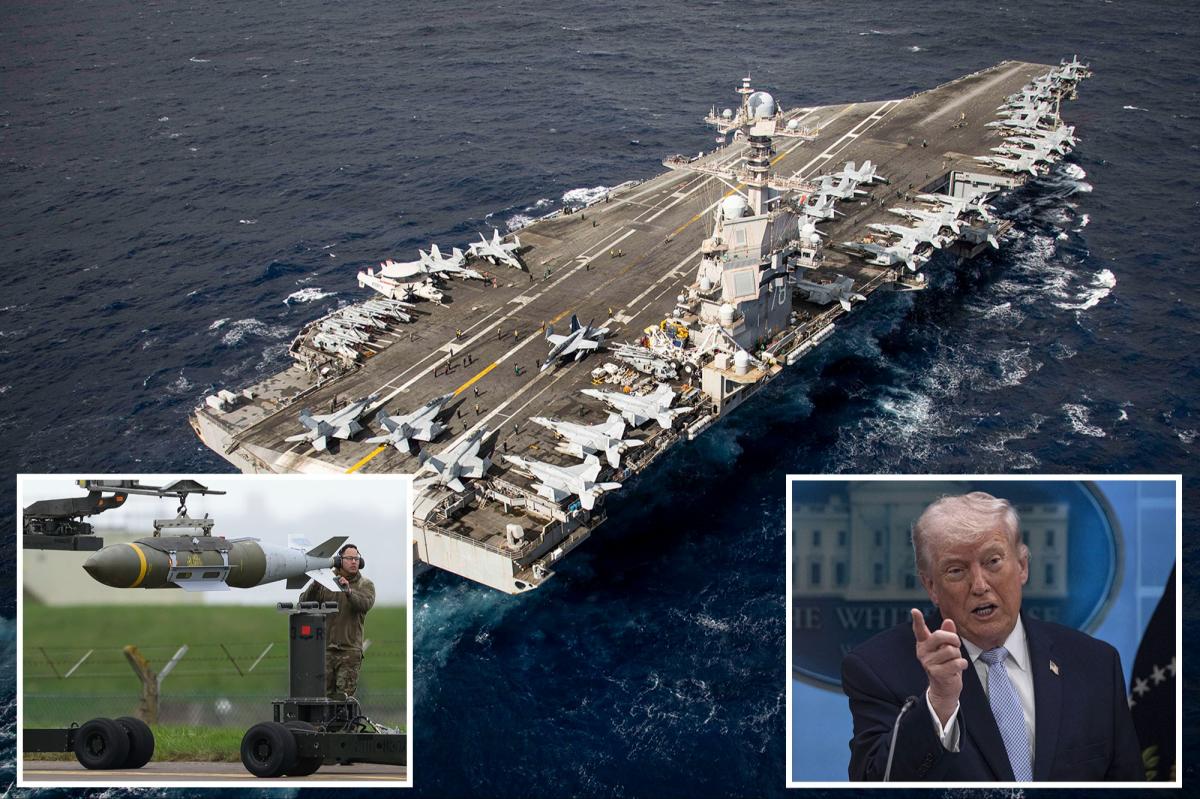
Trump described Iran's 10-point proposal as a "workable basis on which to negotiate." Hours later, Vice President JD Vance told reporters the version published by Iranian state media was not the version the White House agreed to. White House Press Secretary Karoline Leavitt then said Washington would push for full reopening of the Strait of Hormuz with no tolls, directly contradicting Trump's earlier comment to ABC News that the strait could be managed "as a joint venture" between the US and Iran.
 Bipi News
Talk to The Reporter
The Judge
Impartial adjudicator who evaluates arguments by their structure and evidence, not their rhetoric. The most dangerous opponent for anyone who confuses confidence with correctness.
First call is free. 5 minutes, no sign-up required.
Three senior officials, three different positions, within 12 hours. The evidence quality on the American side rates poorly. When the president, vice president, and press secretary cannot align on what they agreed to, the claim of a "workable" deal lacks foundation.
Does Iran's 10-Point Plan Pass the Logic Test?
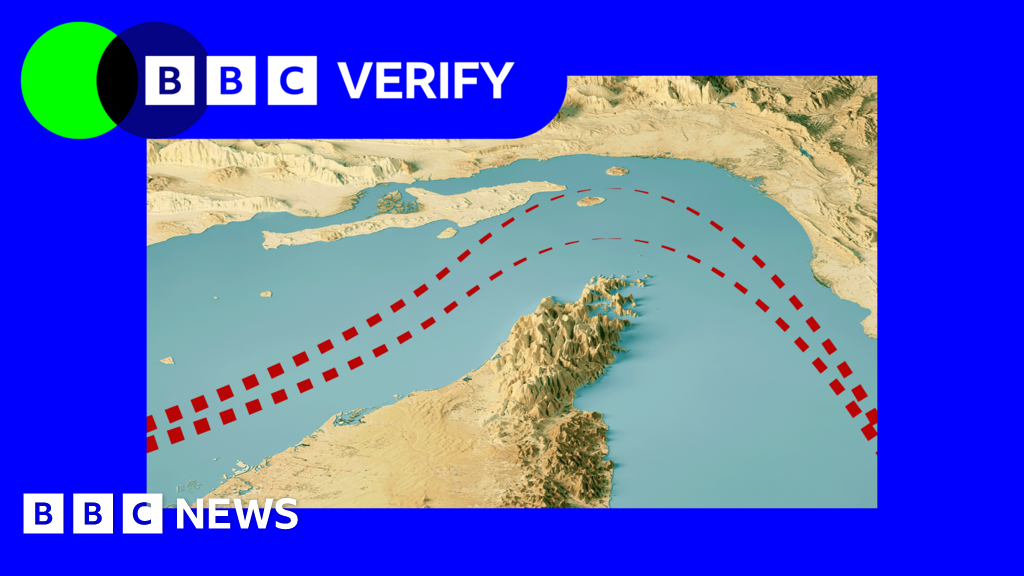
Iran's demands include lifting all sanctions, continued control over the Strait of Hormuz, US military withdrawal from the Middle East, release of frozen assets, and a UN Security Council resolution making the deal binding. The Farsi version includes "acceptance of enrichment" for Iran's nuclear program. The English version omits that phrase.
Who
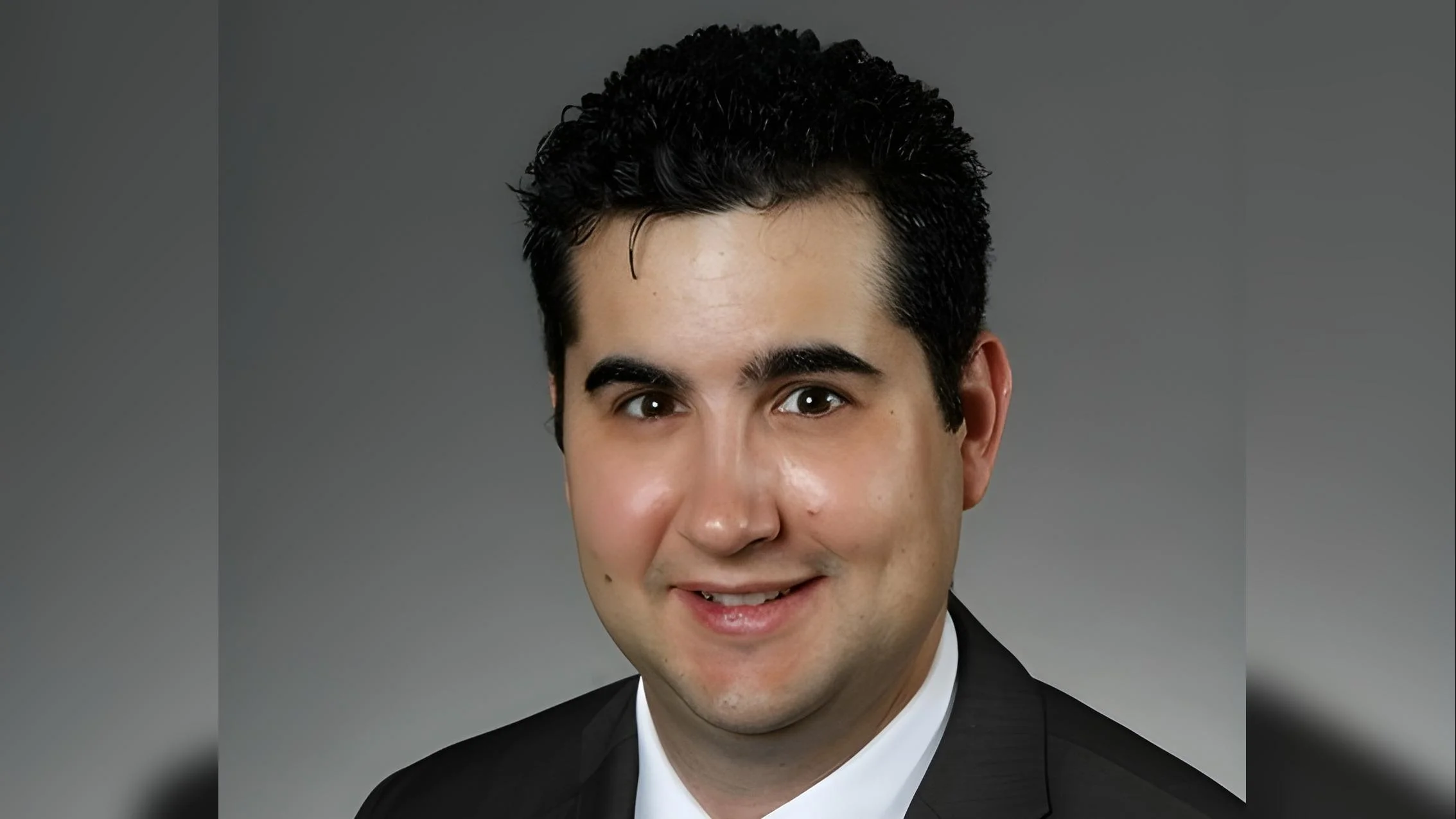
Steven A. Cook, CFR Senior Fellow, warns Iran gained Strait of Hormuz leverage it did not have before the war
The logic problem: Iran demands permanent outcomes (sanctions removal, enrichment rights, US withdrawal) in exchange for a temporary action (two-week ceasefire). No negotiating framework treats a two-week pause as equivalent to permanent strategic concessions. Iran's own parliament speaker accused Washington of violating three tenets of the deal within 24 hours, which suggests Tehran expected the maximalist frame to fail and built in the accusation mechanism before the ink dried.
“There has been no regime change in Iran, the current leadership is not any less radical than their predecessors — Steven Cook, CFR
Bipi NewsThink Further on BIPI.
Unlimited access to your personalized investigative reporter agent, sourcing real-time and verified reports on any topic. Your personalized news feed starts here.
Learn moreIran held no control over the Strait of Hormuz before this conflict began. Demanding permanent sovereignty over the waterway as a condition for peace is the equivalent of rewarding the hostage-taker with ownership of the building. CFR Senior Fellow Steven Cook put it bluntly: "There has been no regime change in Iran, the current leadership is not any less radical than their predecessors, and Iran has leverage over the Strait of Hormuz when it did not before the war began."
Israeli strikes killed at least 203 people in Lebanon on the first day of the ceasefire
Verified
Pakistan's Brokering: Strong Credentials, Weak Mandate
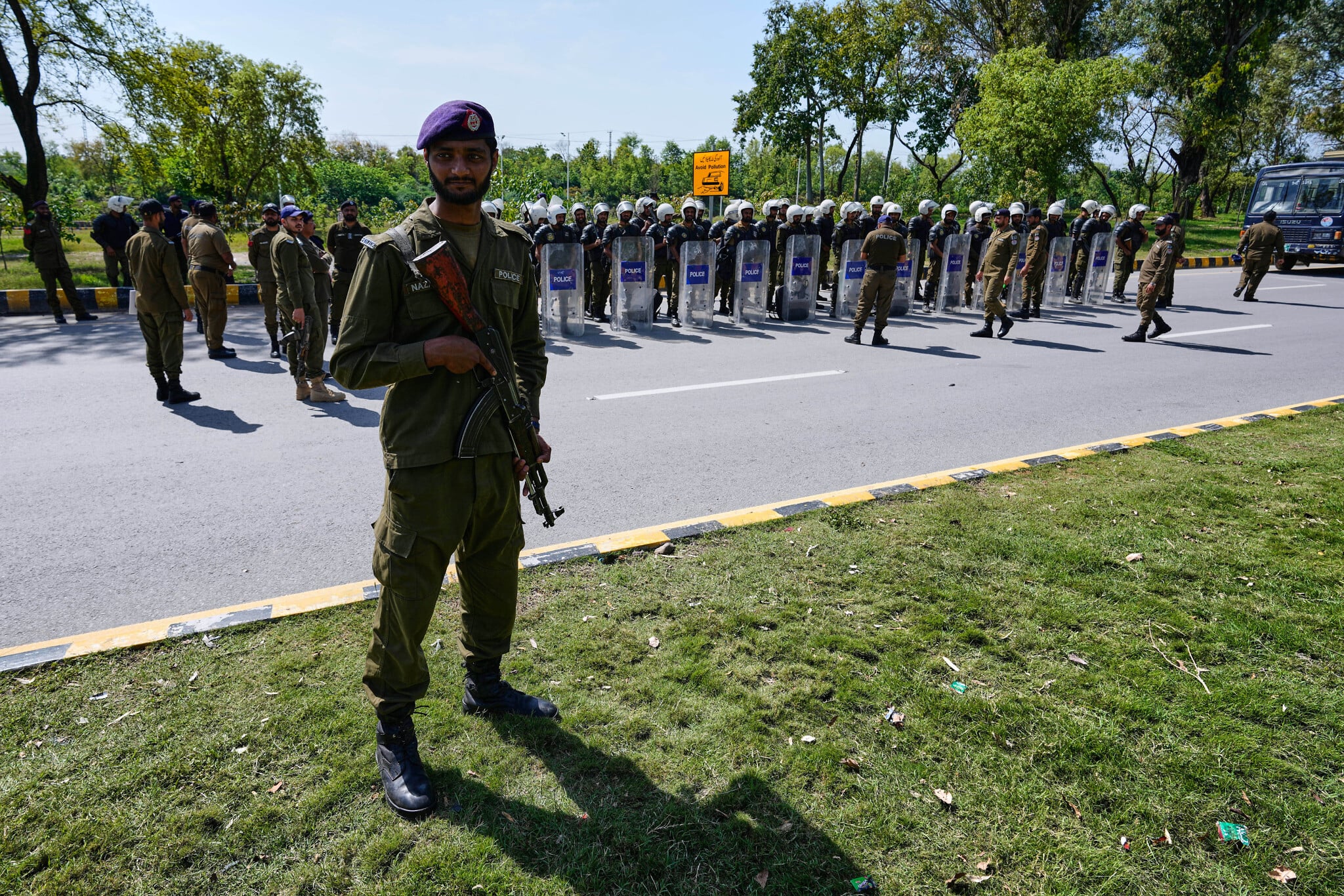
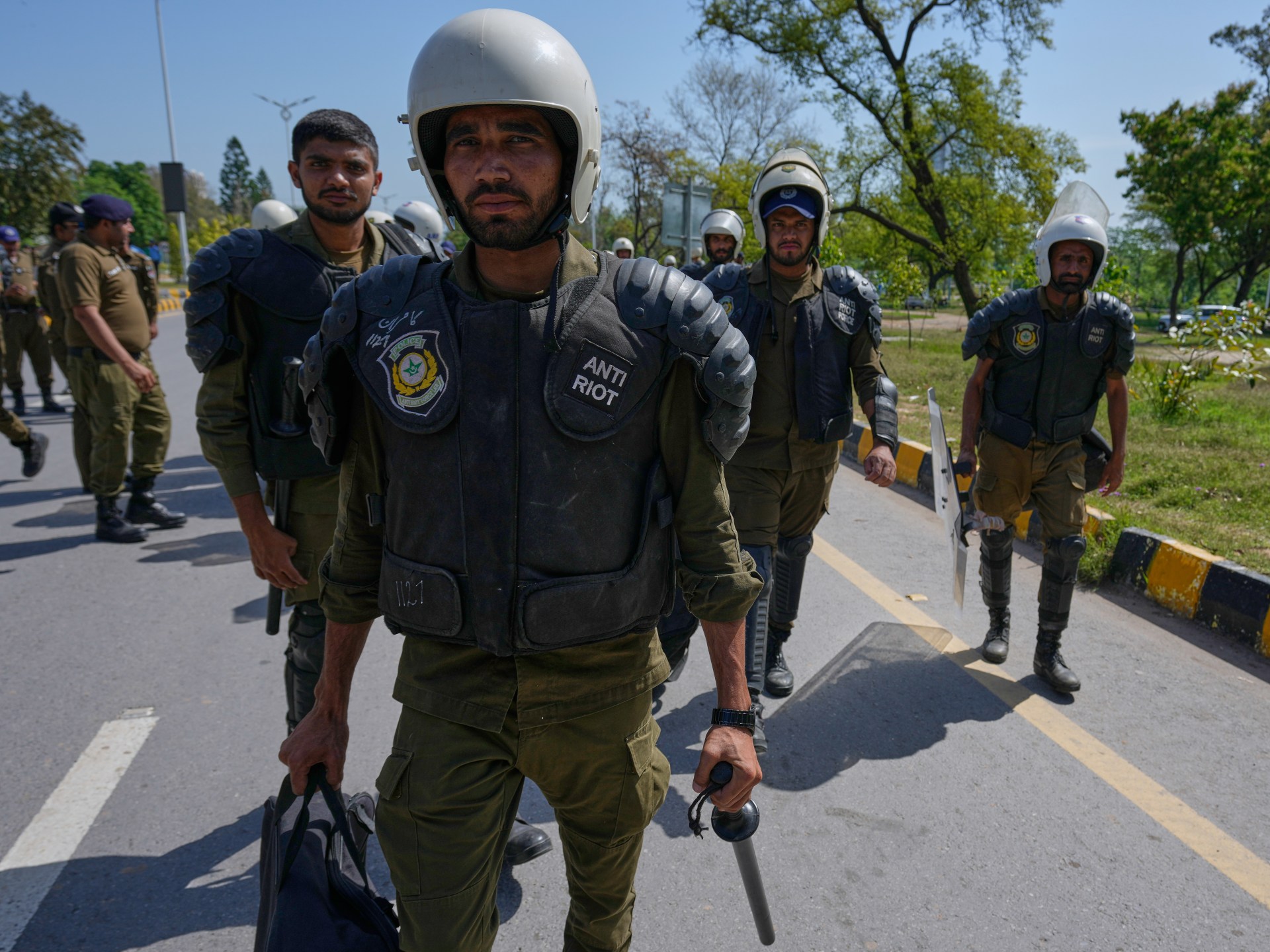
Pakistan's argument for its mediator role rests on real structural advantages. It shares a 900-kilometer border with Iran. It hosts the world's second-largest Shia Muslim population. Its army chief, Field Marshal Asim Munir, has a personal rapport with Trump. Former ambassador to Tehran Asif Durrani noted Pakistan is "the only country in the region enjoying good relations with the US and Iran."
Where Pakistan's claim weakens: Sharif stated the ceasefire covered "everywhere including Lebanon." Israel and the United States immediately contradicted him. On the first day of the truce, Israeli strikes across Lebanon killed at least 203 people and wounded 1,000 others, according to Lebanon's health ministry. A mediator who cannot accurately describe the scope of the deal they brokered has a credibility deficit that will follow them to the Islamabad talks on April 10.
Bipi NewsKnow someone who should read this?
Share this report with a friend who values evidence-based journalism.
Who Performed Worst Under Cross-Examination?
Rank the three positions by argument quality. Pakistan's claim is the most grounded in structural reality but collapsed on the Lebanon question. Trump's position suffers from internal contradiction: three officials, three stories, no coherent framework. Iran's 10-point plan is the most logically ambitious but the least connected to achievable outcomes. Demanding permanent concessions for a temporary pause is a rhetorical device, not a negotiating position.
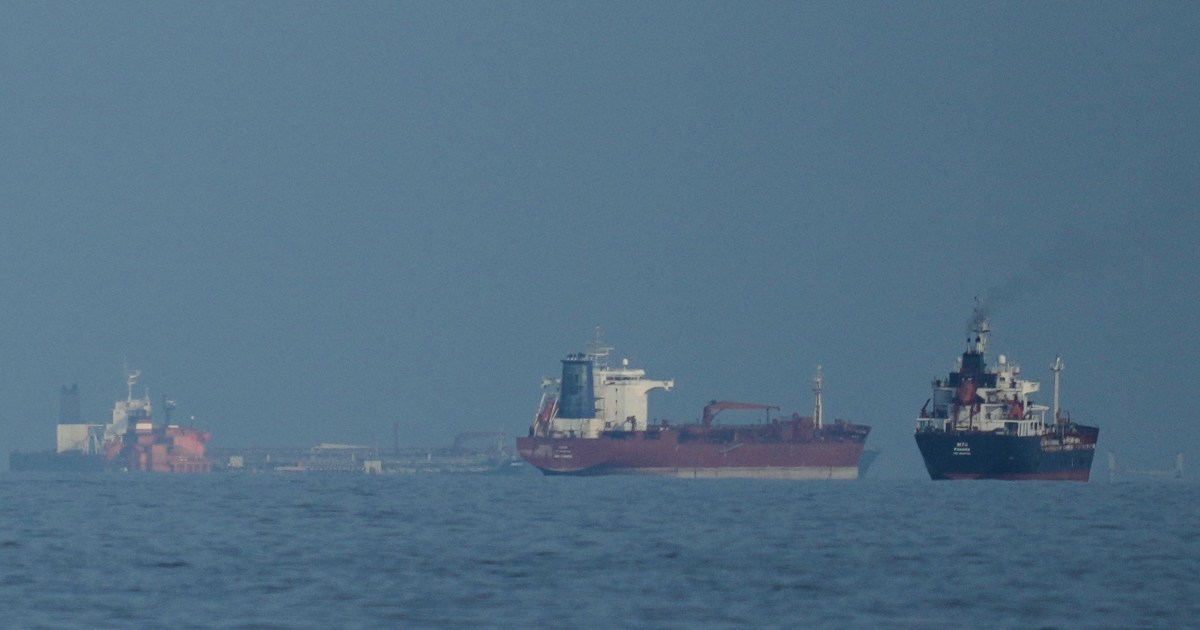
The Strait of Hormuz remains mostly closed. Gulf countries did not report overnight attacks for the first time since the war began, which counts as a tangible result. Oil fell more than 15% to just above $90 a barrel. Markets scored this deal as real. But markets also priced in the 2008 housing boom.
The Honest Assessment
A ceasefire where the parties cannot agree on its terms, scope, or enforcement is a ceasefire in name. The two-week window gives everyone breathing room. But the structural gap between Iran's maximalist demands and America's internal confusion leaves no obvious path to permanent resolution. Pakistan earned real diplomatic credit for getting both sides to pause. Whether it can convert that credit into a lasting framework at the Islamabad talks remains the open question, and the evidence so far suggests the answer will disappoint.