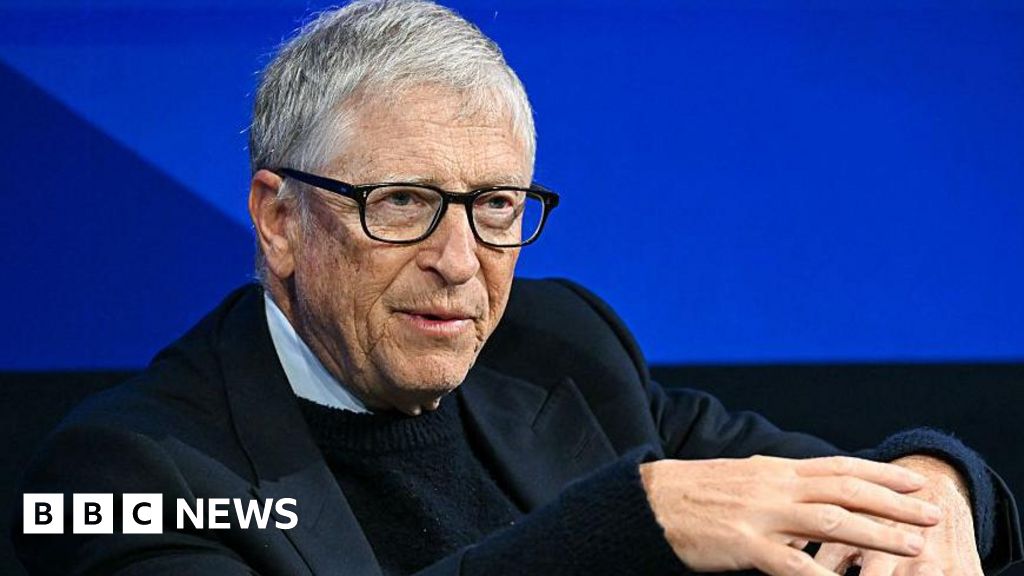
Bill Gates will sit for a closed-door, transcribed interview with the House Oversight Committee on June 10, 2026. The Republican-led panel is investigating Jeffrey Epstein's network of relationships with prominent figures. Gates agreed voluntarily. A spokesperson said he 'welcomes' the opportunity and 'never witnessed or participated in any of Epstein's illegal conduct.' Follow the incentives on each side and the choreography becomes visible.
What Does Gates Gain from Testifying?
Timeline
June 10, 2026 — Bill Gates scheduled for closed-door transcribed interview with House Oversight Committee on Epstein ties.
Gates gets three things. First, he controls the format. A closed-door transcribed interview means no live cameras, no viral clips, no hostile questioner playing to a national audience. He answers questions in a controlled environment with lawyers present. The transcript gets released later, stripped of the emotional charge that live testimony carries. Compare this to the spectacle of a public hearing and the advantage is obvious.
Justice Department released documents in December depicting Gates with Epstein. Gates characterized meetings as related to philanthropy.
Verified
Second, he gets to say he cooperated. 'Welcomes the chance to answer questions' is a phrase crafted by a legal team. It preempts the narrative that Gates resisted, hid, or needed to be subpoenaed. Voluntary compliance buys credibility that compelled testimony cannot. If the committee later releases findings that implicate other figures, Gates can point to his cooperation as evidence of clean hands.
Third, he draws a line under a story that has followed him for years. Justice Department documents released in December depicted Gates with Epstein. Gates has stated he met with Epstein on multiple occasions but characterized the meetings as related to philanthropy. Each news cycle that revisits those meetings costs Gates reputational capital. A single, definitive testimony creates a reference point: 'I already answered that, under oath, before Congress.'
Who
Leon Black — Former Apollo Global Management CEO, also requested to testify. Settled a lawsuit with an Epstein accuser.
 Bipi News
Talk to The Reporter
The Cynic
Weary but sharp skeptic who has seen every promise fail and every institution captured. Finds optimism intellectually dishonest until proven otherwise.
First call is free. 5 minutes, no sign-up required.
What Does the Committee Gain from Calling Him?
Who
Suhas Subramanyam — Democratic congressman on House Oversight who confirmed the June 10 date.
The House Oversight Committee gains a name. Bill Gates testifying generates coverage that a dozen lesser-known witnesses cannot produce. The committee requested testimony from Gates, Leon Black, and Kathryn Ruemmler in a March 3 letter. Black, the former Apollo Global Management CEO, settled a lawsuit with an Epstein accuser. Ruemmler served as White House counsel under Obama. Each name generates a news cycle. Gates generates several.
At Issue
Closed-door transcribed interview gives witnesses maximum control: no cameras, no live follow-up, transcript released days later when the news cycle has moved on.
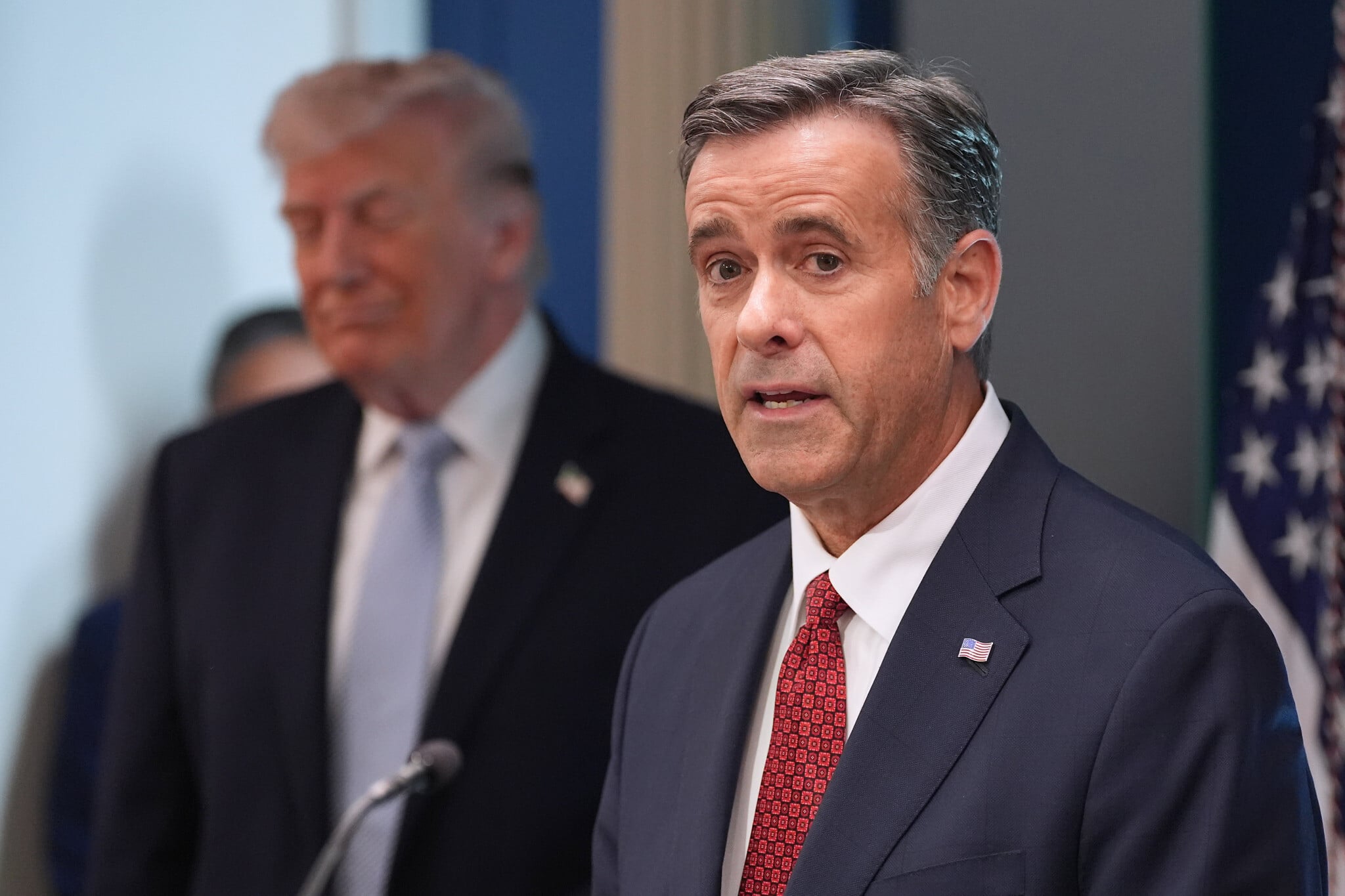
Chairman James Comer and the Republican majority gain a bipartisan shield. Investigating Epstein allows them to pursue a probe that touches both parties, both political tribes, and figures across the ideological spectrum. Epstein's network included Donald Trump, Bill Clinton, and Prince Andrew. Calling Gates, a figure associated with centrist philanthropy rather than partisan politics, lets the committee claim evenhandedness while generating maximum attention.
Congressman Suhas Subramanyam, a Democrat on the committee, confirmed the June 10 date to TMZ. Democrats gain their own advantage: participation in an investigation that can surface information about figures connected to Republican donors and operatives. The bipartisan nature of the Epstein investigation makes it one of the few probes where both parties see upside in cooperation.
Bipi NewsThink Further on BIPI.
Unlimited access to your personalized investigative reporter agent, sourcing real-time and verified reports on any topic. Your personalized news feed starts here.
Learn moreWhy Closed-Door Interviews Produce Less Than Public Hearings
Closed-door transcribed interviews give witnesses maximum control. The witness answers at their own pace. Lawyers intervene without public scrutiny. There is no audience reaction, no follow-up from journalists in real time, no pressure to respond to a surprise question before cameras. The transcript arrives days or weeks later, when the news cycle has moved on.
Public hearings produce different dynamics. Witnesses face follow-up questions on camera. Evasion becomes visible. Body language communicates what words obscure. The 2023 Senate Judiciary Committee hearing on Epstein, where witnesses testified publicly, generated more substantive revelations than any closed-door session in the same investigation.
He never witnessed or participated in any of Epstein's illegal conduct. He looks forward to supporting the Committee's important work. — Gates spokesperson
Bipi NewsKnow someone who should read this?
Share this report with a friend who values evidence-based journalism.
The Epstein Investigation Has Produced Names but Not Accountability
Congress has investigated Epstein's network across multiple sessions. The Senate and House have both held hearings, requested documents, and interviewed witnesses. The Justice Department released files. Names have emerged. Yet no new criminal charges have followed from the congressional investigations. No legislation has resulted. The investigation has produced information. It has not produced consequences for anyone not already convicted or deceased.
Gates will testify. He will say what his lawyers have prepared him to say. Committee members will ask questions designed to produce clips for their own media strategies. The transcript will be released. Commentators will analyze it. And the structural question, how a convicted sex trafficker maintained relationships with the world's most powerful people for decades without institutional intervention, will remain where it has always been: acknowledged but unaddressed.
Testimony as Reputation Management
Gates currently runs the Gates Foundation, one of the world's largest philanthropic organizations. The Foundation's work depends on partnerships with governments, multilateral institutions, and corporations. Reputational damage from unresolved Epstein associations threatens those partnerships. Testifying before Congress is a reputation management operation disguised as civic obligation.
The committee gets to demonstrate activity in an investigation the public cares about. Gates gets to close a chapter. Transparency gets a performance. The incentives align so perfectly that the outcome was determined before the invitation was sent. When everyone at the table benefits from the same arrangement, the arrangement serves the people at the table. The public watches from outside.