Naim Chebbo, 51, swept broken glass from his window frames on Wednesday night in a western Beirut neighborhood. The blast had shattered every pane in his home. He told Reuters: 'Tonight I'm not going to sleep because I'm going to be afraid that it's happening again. I'm living a nightmare.' He is one person. There are 1.2 million more like him, displaced across Lebanon since March 2.
Ten Minutes, 160 Bombs, 254 Dead
Who
Naim Chebbo — 51-year-old Beirut resident who swept glass from his windows and told Reuters he would not sleep that night
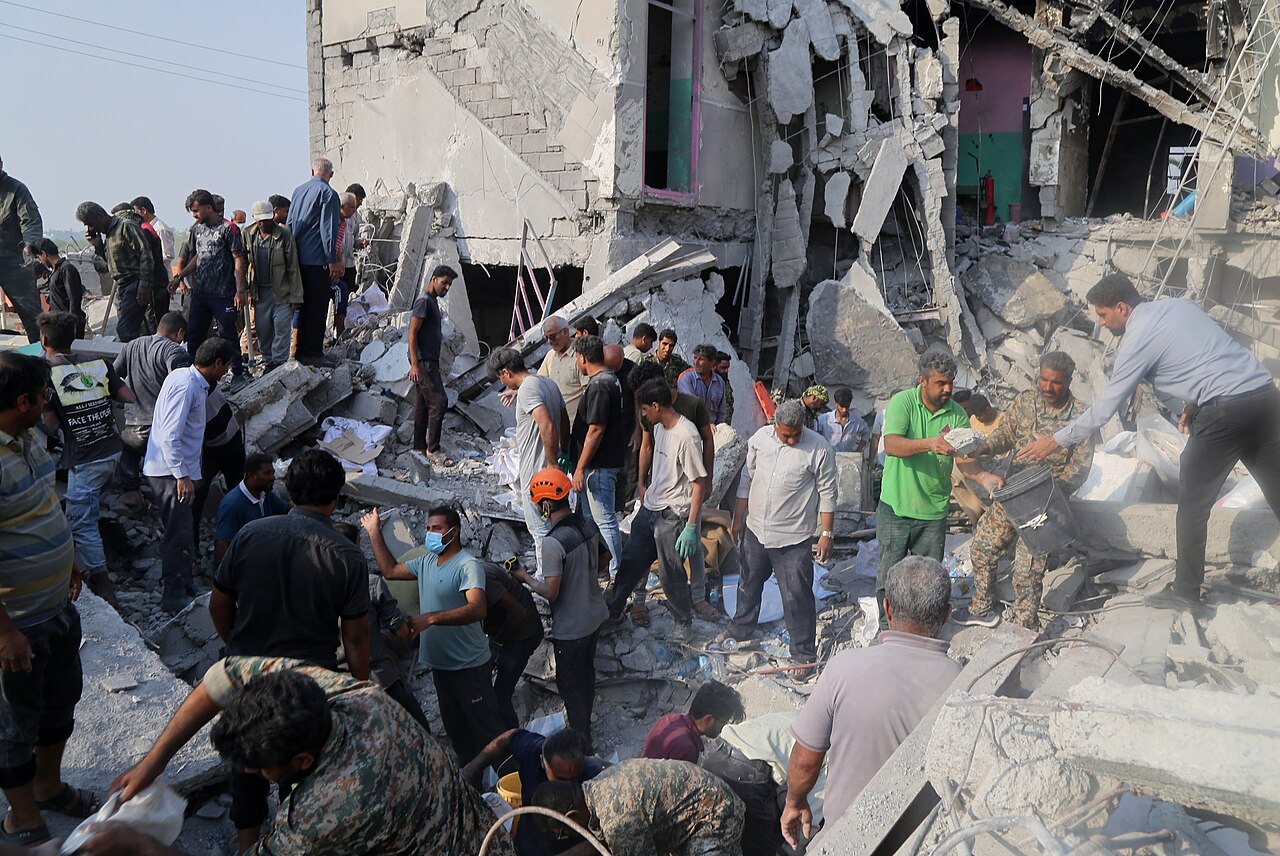
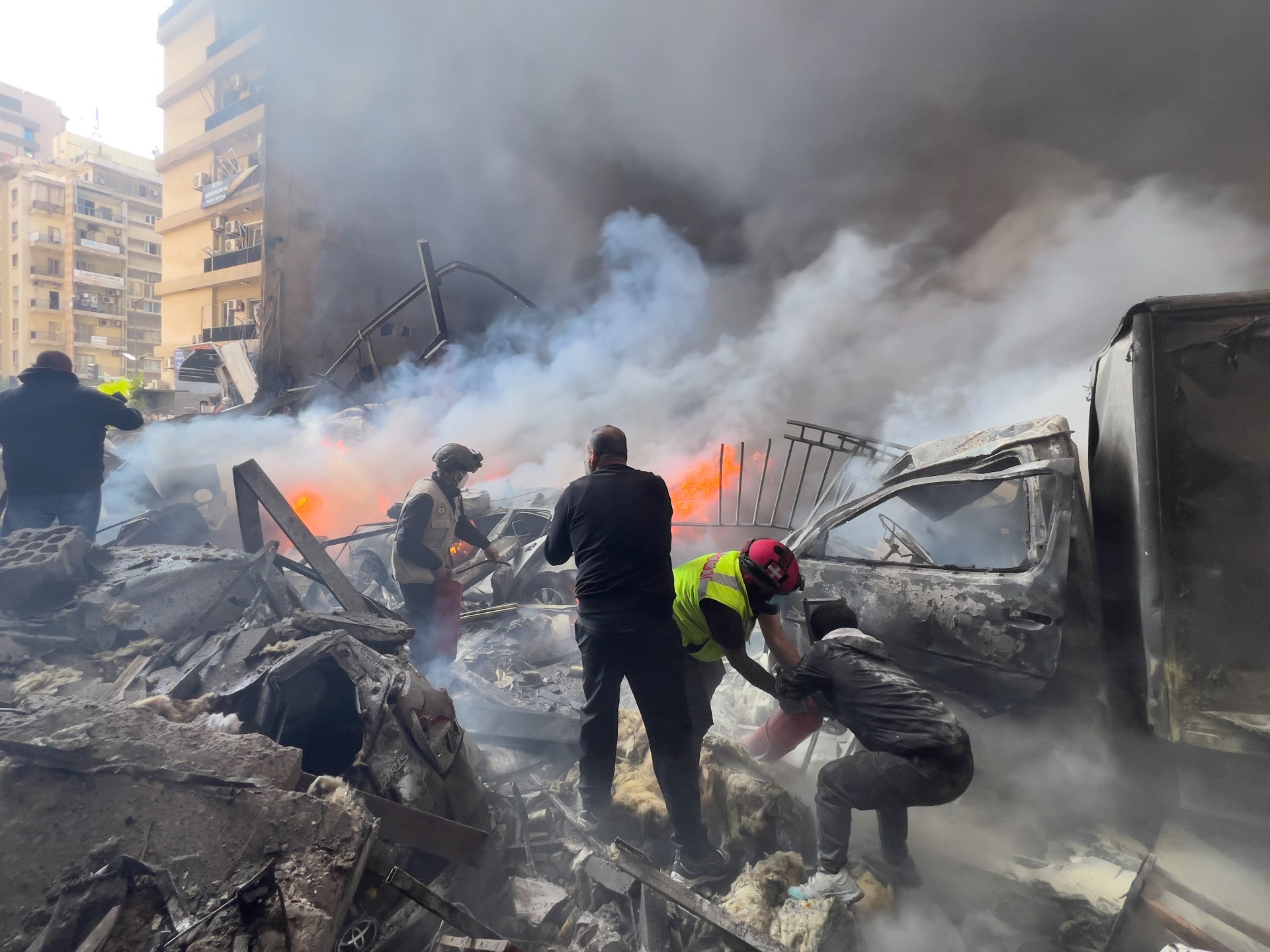
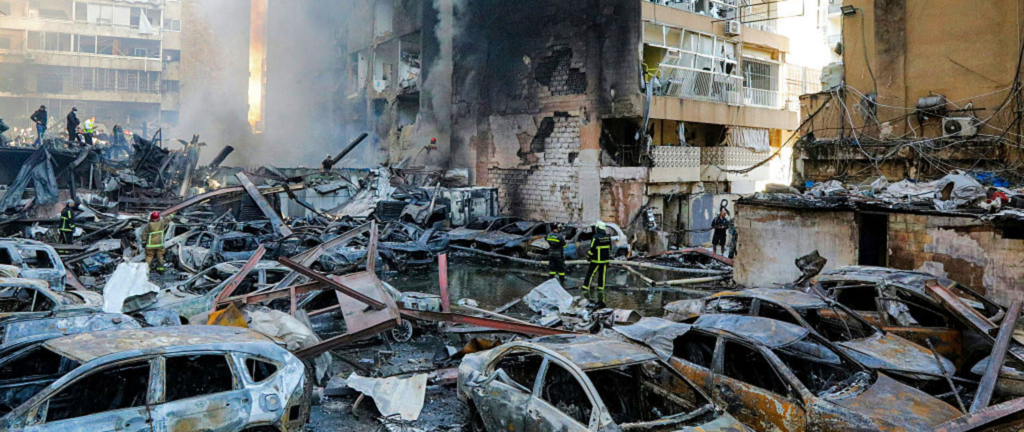
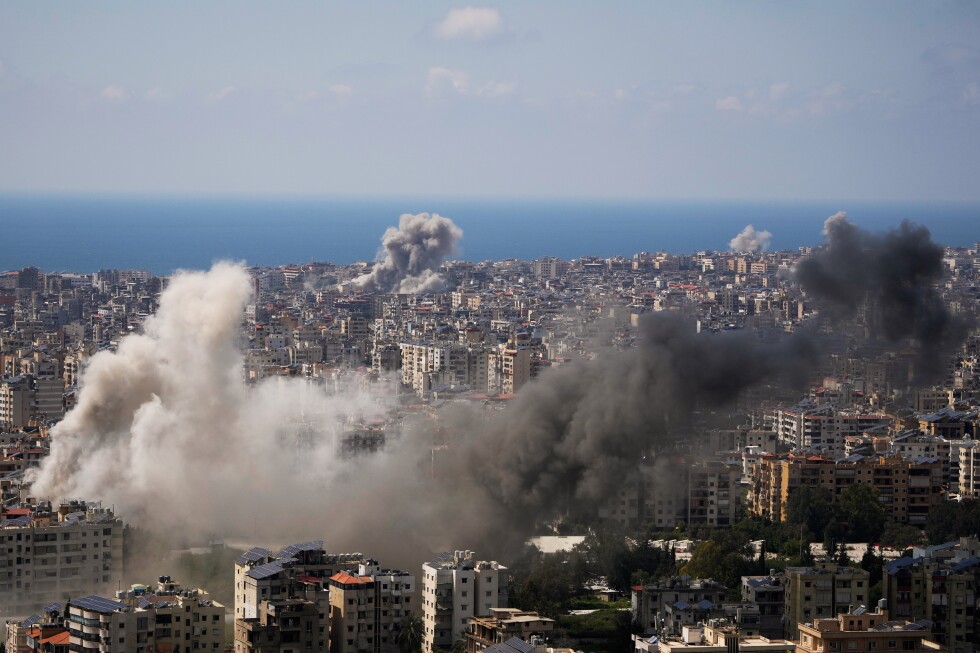
At approximately 3 PM on Wednesday, five consecutive strikes hit central Beirut. Columns of smoke rose above the capital. Within ten minutes, Israeli jets had dropped 160 bombs on more than 100 targets across Beirut, the Bekaa Valley, and southern Lebanon. The IDF called it the 'largest coordinated strike of the war.' Lebanon's Civil Defence counted 254 people killed and 1,165 wounded by day's end.
254 killed and 1,165 wounded on April 8. Total since March 2: 1,739 dead, 5,873 wounded, including 130+ children.
Verified
Timeline
April 8, 2026 — Lebanon's deadliest single day of the war. 160 bombs dropped in 10 minutes. National day of mourning declared for April 9.
Ninety-two people died in Beirut proper. Sixty-one more in the southern suburbs. The Health Ministry counted 203 dead and said the number was not final. Civil Defense workers guided an elderly woman onto a crane to evacuate her from a building whose upper half had been sheared off by a missile. People on motorcycles picked up the wounded and drove them to hospitals because there were not enough ambulances. One of Beirut's largest medical facilities issued a public call for blood donations of all types.
What Happens to a Family When the Bridge Gets Destroyed?
1.2 million displaced. Evacuation orders cover 15% of Lebanese territory. Last bridge over Litani River destroyed.
Verified
Israel destroyed the last remaining bridge over the Litani River on Wednesday. The Litani runs about 30 kilometers north of the Israeli border. An Israeli military spokesperson said the area south of the Litani is now 'disconnected from Lebanon.' That word, 'disconnected,' is how a military planner describes territory. A Lebanese family south of the Litani uses a different word. They are trapped.
 Bipi News
Talk to The Reporter
The Populist
Voice of ordinary people against elite capture. Believes experts often serve their own interests and that lived experience is undervalued evidence.
First call is free. 5 minutes, no sign-up required.
Thousands of civilians still live south of the Litani. Reuters reported they have been struggling with shortages of food and medicine for weeks. Israel has struck hospitals and power stations in the area. Evacuation orders cover 15% of Lebanese territory. These families did not choose this war. Hezbollah launched rockets from their territory. Israel dropped bombs on their homes. Both sides made decisions. Neither side asked the people between the launcher and the target.
The Displaced Packed Their Cars. Then the Strikes Resumed.
Outside a school sheltering displaced people in the southern city of Sidon, families had piled pillows and blankets onto their cars Wednesday morning. They thought the ceasefire meant they could go home. Ahmed Harm, 54, displaced from Beirut's southern suburbs, told Reuters: 'Hopefully a ceasefire will be reached. Lebanon can't take it anymore.' By Wednesday afternoon, the strikes had resumed. The pillows stayed on the cars. The families stayed in the school.
Who
Mohammed Wishah — Al Jazeera Mubasher correspondent killed by Israeli drone strike in Gaza City; 11th Al Jazeera journalist killed since Oct 7, 2023
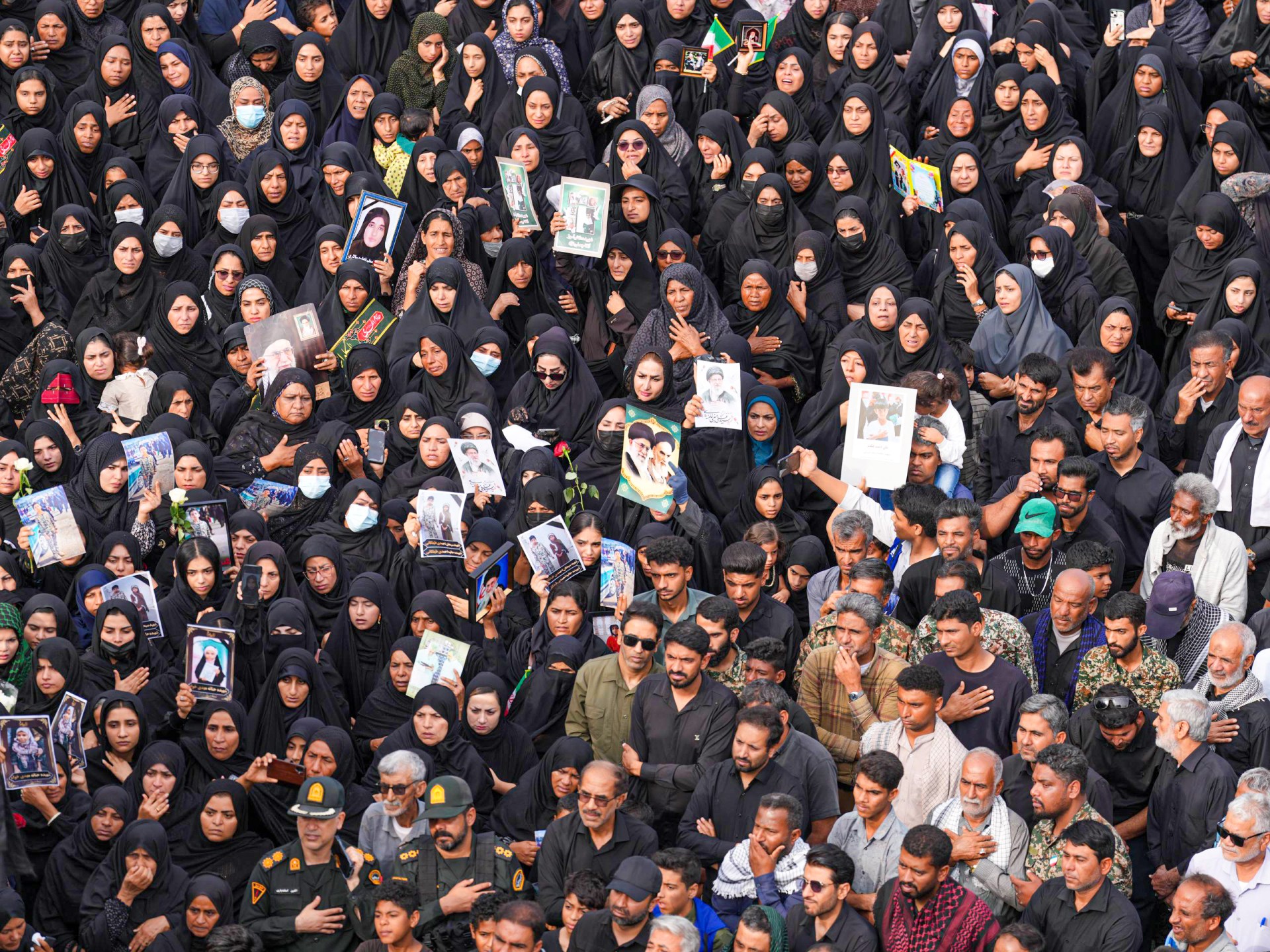
Before Wednesday, more than 1,500 people had already been killed in the air and ground campaign, including more than 130 children. The total since March 2 now stands at 1,739 dead and 5,873 wounded. Lebanon declared Thursday a national day of mourning. Public offices closed. Flags were lowered.
Tonight I'm not going to sleep because I'm going to be afraid that it's happening again. I'm living a nightmare. — Naim Chebbo, 51, Beirut resident
Bipi NewsThink Further on BIPI.
Unlimited access to your personalized investigative reporter agent, sourcing real-time and verified reports on any topic. Your personalized news feed starts here.
Learn moreA Journalist Killed in Gaza the Same Day
While Lebanon burned, an Israeli drone struck a vehicle in western Gaza City, killing Al Jazeera Mubasher correspondent Mohammed Wishah and one other person. Al Jazeera condemned the killing. The Israeli military claimed Wishah was a Hamas militant. Al Jazeera listed Wishah as the eleventh of its journalists killed in Gaza since October 7, 2023.
France 24 reported that Israel's claim was issued with no supporting evidence. Mohammed Wishah had a name, a job, and a funeral. His colleagues buried him on Thursday morning in Gaza. The people who ordered the strike will never attend the funeral of anyone they've killed.
Who Pays for 'Disconnecting' a Country?
The diplomats debate whether Lebanon belongs in the ceasefire. Vice President Vance says it does not. Iran says it does. Pakistan's prime minister says it does, then gets contradicted by both Washington and Jerusalem. UN Human Rights Chief Volker Turk called Wednesday's carnage 'horrific' and said it 'defies belief' that it occurred hours after a ceasefire was announced. French Foreign Minister Barrot condemned 'massive strikes which, in 10 minutes, killed more than 250 people.'
Bipi NewsKnow someone who should read this?
Share this report with a friend who values evidence-based journalism.
The people swept up in these strikes did not negotiate the ceasefire. They did not vote for Hezbollah to enter the war. They did not choose to live in a neighborhood the IDF designated as a target zone. They woke up on a Wednesday morning thinking a ceasefire might bring them home. By Wednesday afternoon, their neighbors were dead.
The Kitchen Table Question
A ceasefire that excludes the place where people are dying is a ceasefire for the people who are not dying. The politicians in Washington, Jerusalem, Tehran, and Islamabad will negotiate. They will trade clauses, set conditions, and stage press conferences. The 1.2 million displaced Lebanese will wait in schools, shelters, and the cars they loaded with bedding on a morning they thought they could go home. The question nobody in power wants to answer: when do those families get to unpack?