The first rule of any military operation is to define the objective. Israel has stated three objectives for its Lebanon campaign: degrade Hezbollah's military capability, prevent cross-border attacks on Israeli territory, and establish a buffer zone south of the Litani River. These are tactical objectives. They answer the question of what to do today. They do not answer the question that decides wars: what does winning look like, and when do you stop?
Mission Assessment: Three Tactical Goals, Zero Strategic Endpoints
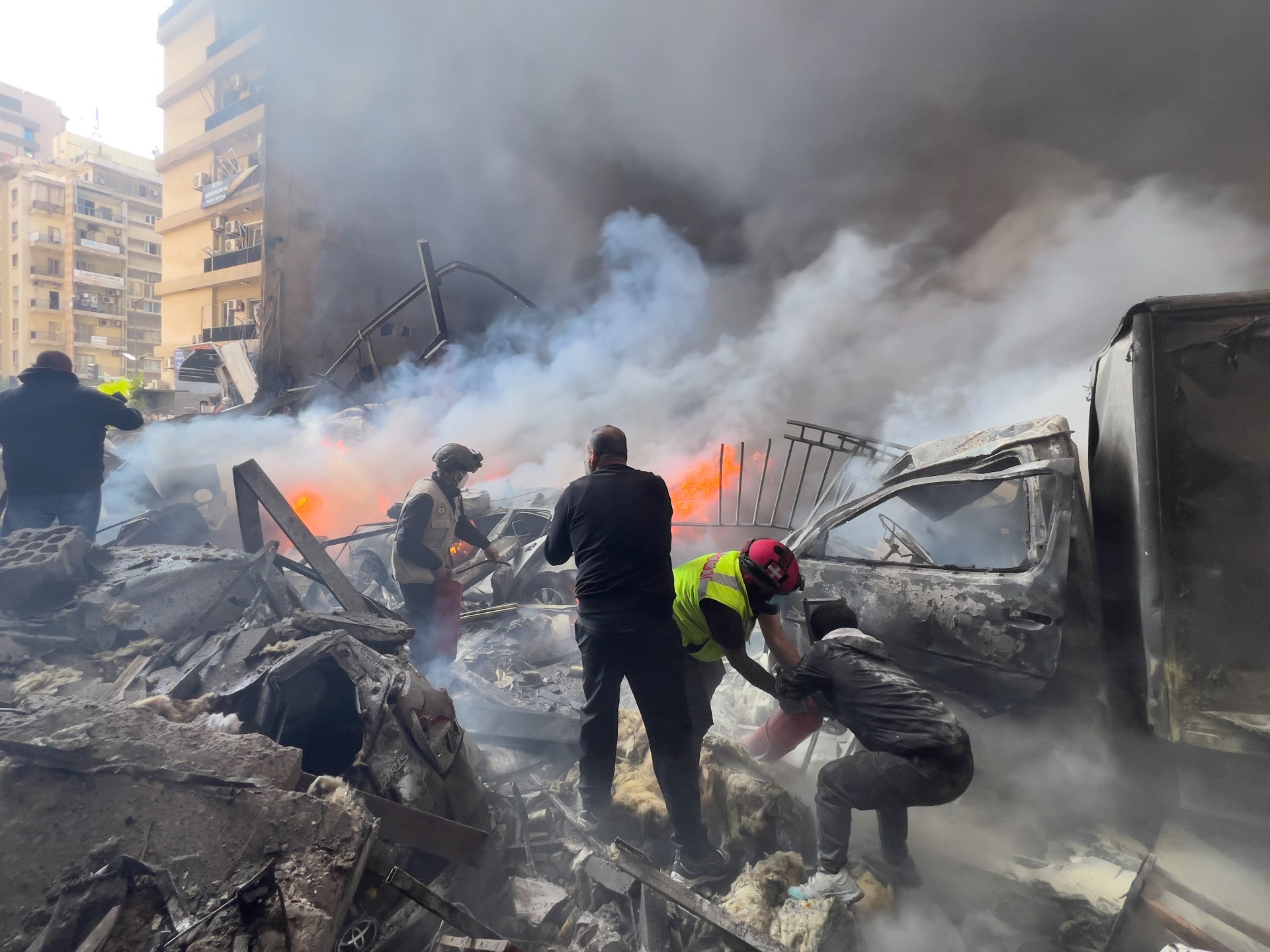
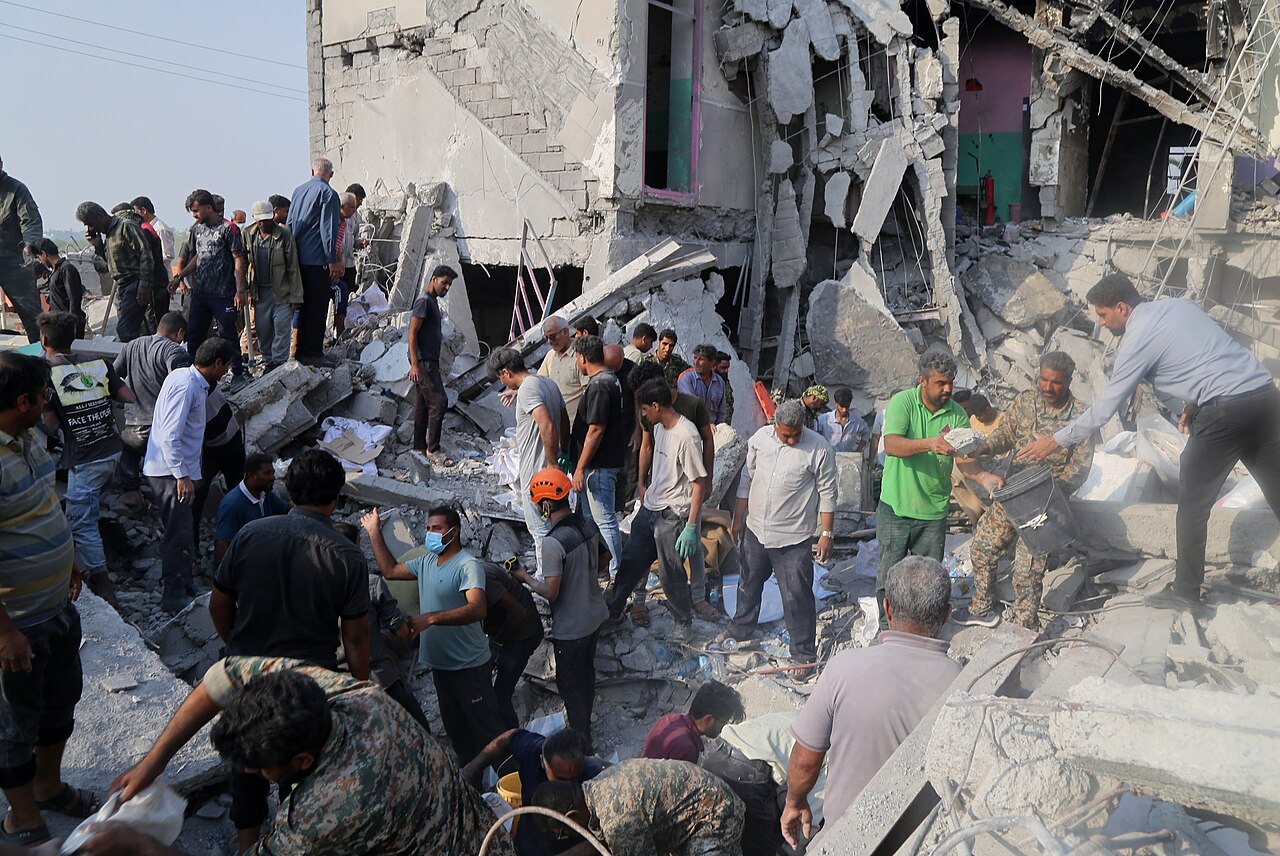
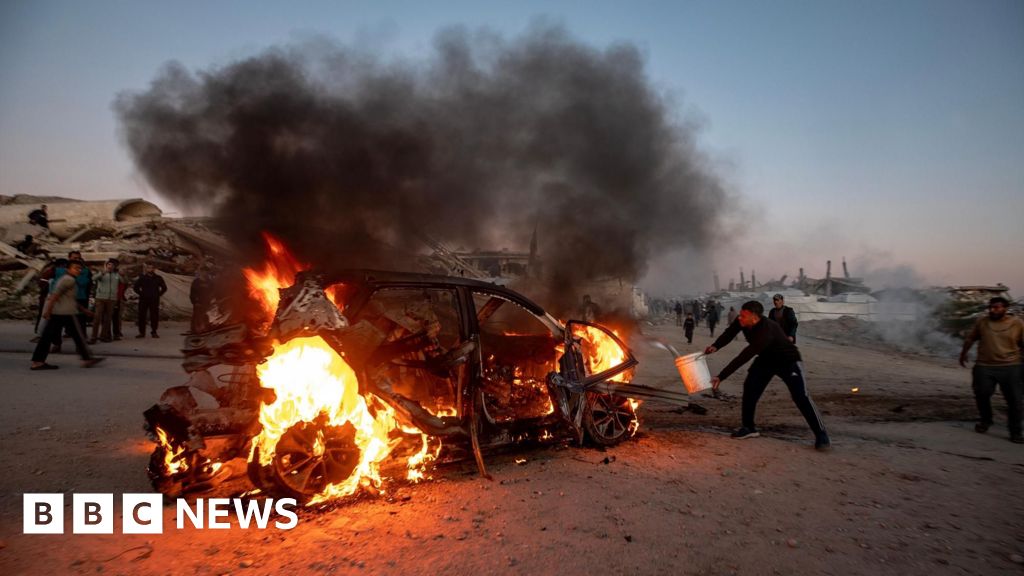
Israel launched its 'largest coordinated strike of the war' on April 8, hitting more than 100 targets in ten minutes across Beirut, the Bekaa Valley, and southern Lebanon. Fifty jets dropped 160 bombs. The IDF claimed hits on Hezbollah command centers, weapons depots, and military infrastructure. The reported kill included Ali Yusuf Harshi, described as a close aide to Hezbollah leader Naim Qassem.
Who
Ali Yusuf Harshi — Close aide to Hezbollah leader Naim Qassem, killed in overnight Israeli strike on Beirut
Degrading an adversary's command structure is sound operational doctrine. The problem is sequencing. Israel executed this escalation hours after a ceasefire took effect on the Iran front. Hezbollah had paused all offensive operations. Israel struck a force that was standing down. In military terms, this is not a response to a threat. This is a pre-planned offensive conducted under the cover of a diplomatic pause.
Israel operates on five simultaneous fronts: Iran (paused), Gaza, Lebanon, Syria, and the West Bank
Verified
What Is the Actual Force Deployment?
Israel operates simultaneously on five fronts: Iran (paused under ceasefire), Gaza (ongoing operations), Lebanon (active air and ground campaign), Syria (buffer zone maintenance), and the West Bank (settlement expansion with military backing). The IDF has issued evacuation orders covering 15% of Lebanese territory and has destroyed the last bridge over the Litani River to sever southern Lebanon from the rest of the country.
 Bipi News
Talk to The Reporter
The General
Commanding voice of institutional military authority. Believes order, hierarchy, and hard power are the prerequisites for everything else. Finds idealism naive and chaos inexcusable.
First call is free. 5 minutes, no sign-up required.
A military spokesperson stated that the area south of the Litani is now 'disconnected from Lebanon.' This language describes an occupation zone. Israel has committed to holding territory in a country of 5.5 million people with a hostile armed population, while maintaining operations across four other active fronts. No force in modern military history has sustained five-front operations without strategic overreach. The IDF's operational tempo requires either a drawdown on other fronts or an unsustainable deployment cycle.
1,739 killed in Lebanon since March 2. Over 1.2 million displaced. Evacuation orders cover 15% of Lebanese territory.
Verified
Does the Current Campaign Achieve Its Stated Objectives?
Objective one: degrade Hezbollah. Since March 2, Israeli strikes have killed more than 1,739 people across Lebanon. The IDF claims significant destruction of Hezbollah command infrastructure. CSIS analysis from April 8 assessed that 'weakening Iran will probably weaken Hezbollah, but the path is messy and risky.' The assessment concluded: 'Hezbollah is likely to be battered but still present, the state further hollowed out, and the country more vulnerable to prolonged internal and regional shocks.'
Objective two: prevent cross-border attacks. Hezbollah resumed rocket fire on Thursday, launching 30 rockets at northern Israeli towns. The buffer zone has not prevented attacks. It has created a new perimeter to defend.
At Issue
Three think tanks (WINEP, FDD, Chatham House) describe three different Israeli endgames in Lebanon, suggesting no coherent exit strategy exists
Objective three: establish the buffer zone. Israel controls territory south of the Litani. Thousands of Lebanese civilians remain in the zone, facing shortages of food and medicine. Hospitals and power stations have been struck. This is not a secured buffer zone. This is occupied hostile territory with a trapped civilian population, which generates the precise conditions for insurgency.
“Any Israeli occupation of southern Lebanon will work to Hezbollah's advantage. — Chatham House, March 2026
Bipi NewsThink Further on BIPI.
Unlimited access to your personalized investigative reporter agent, sourcing real-time and verified reports on any topic. Your personalized news feed starts here.
Learn moreHezbollah is likely to be battered but still present, the state further hollowed out, and the country more vulnerable to prolonged internal and regional shocks. — Daniel Byman, CSIS
Where Is the Exit Condition?
The Washington Institute for Near East Policy assessed on April 9 that once the current military campaign ends, 'Israel aims to resume formal security talks with Beirut focused on disarming Hezbollah nationwide.' The Foundation for Defense of Democracies noted that 'Israeli goals in Lebanon have shifted from imminently disarming Hezbollah to reestablishing a South Lebanon security zone.' Chatham House warned that 'any Israeli occupation of southern Lebanon will work to Hezbollah's advantage.'
Three separate strategic assessments. Three different descriptions of Israel's endgame. When three allied think tanks cannot agree on what Israel is trying to achieve, the campaign lacks a defined end state.
The Ceasefire Contradiction Creates a Command Problem
Bipi NewsKnow someone who should read this?
Share this report with a friend who values evidence-based journalism.
Iran's President Pezeshkian called Lebanon ceasefire 'an essential condition' of the US-Iran agreement. Iran's Revolutionary Guards warned of a 'regret-inducing response' if strikes continued. Hezbollah lawmaker Hassan Fadlallah told Reuters there would be 'repercussions for the entire agreement' if attacks persisted.
Israel has created a scenario where its Lebanon escalation could collapse the Iran ceasefire. If that happens, Israel must resume operations on the Iran front while maintaining the Lebanon campaign, the Gaza operation, and its other commitments. This is a unity-of-command failure. The political leadership has authorized an escalation that the military cannot sustain if it triggers the cascade it risks triggering.
The Commander's Verdict
Israel's tactical execution in Lebanon is competent. Its strategic planning is absent. The IDF can destroy targets, kill commanders, and sever bridges. It cannot answer the fundamental question: what is the condition under which operations end? Without that answer, this campaign has no ceiling. Casualties accumulate, displacement grows, diplomatic goodwill erodes, and force commitments expand with no defined terminus. An operation without an exit condition has a name in military doctrine. It is called a quagmire.