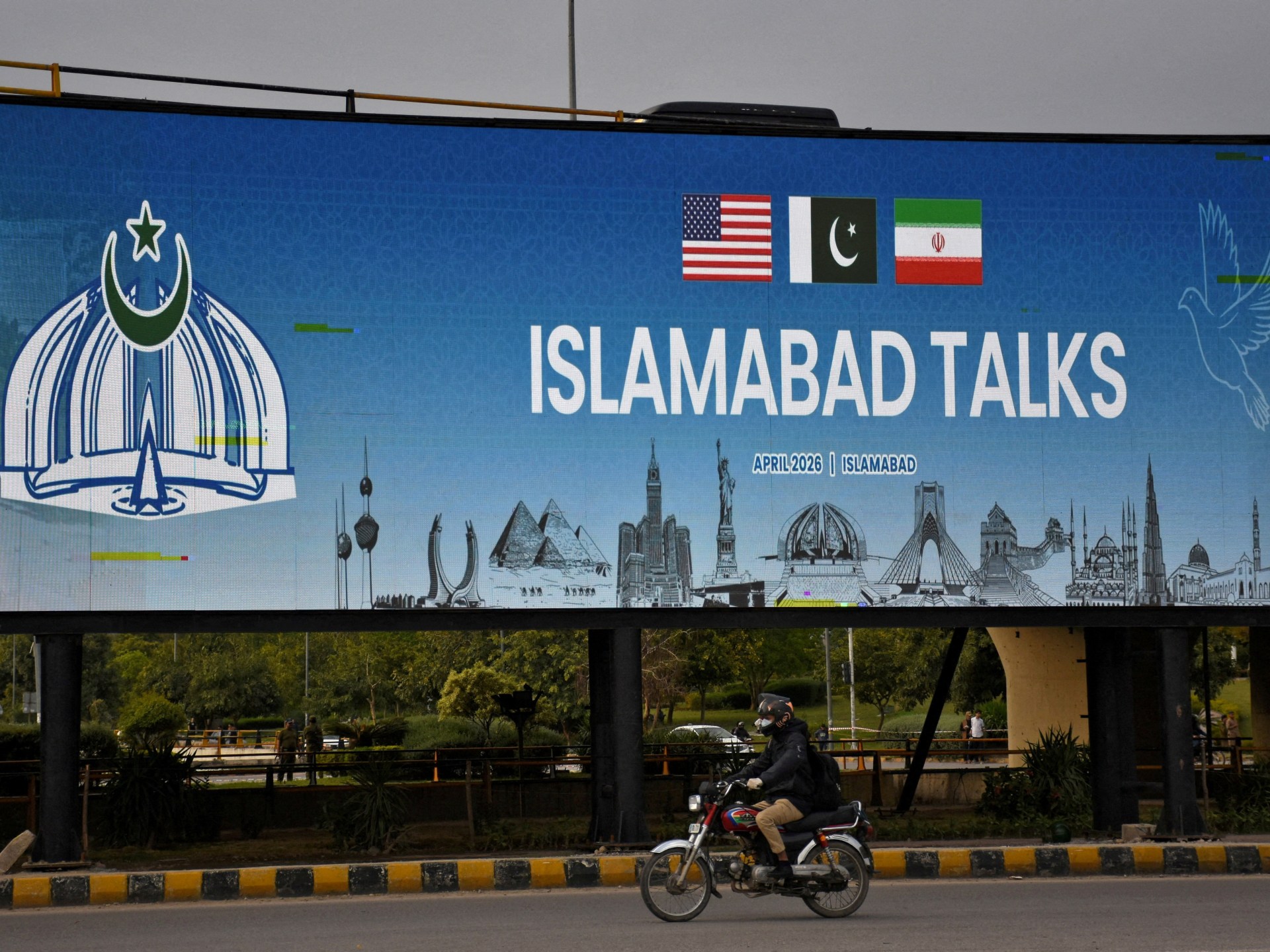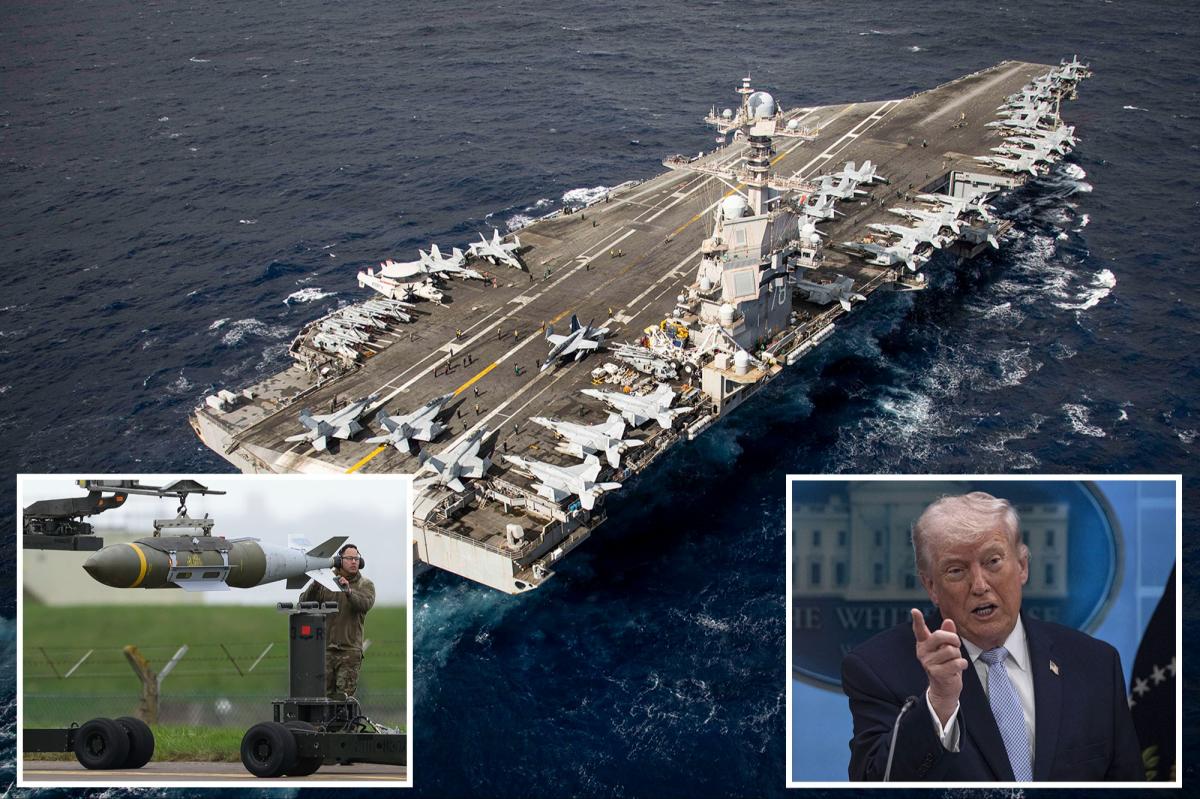
Every situation has an objective. Define it or lose. On April 10, President Trump called the New York Post from the White House and said, "We're going to find out in about 24 hours. We're going to know soon." He also said, "We're loading up the ships." The US and Iranian delegations open talks in Islamabad on Saturday. Read those three sentences together and ask the commander's first question. What is the objective?
What Objective Does a 24-Hour Window Test?
Timeline
April 10, 2026: President Trump told the New York Post by phone that US-Iran talks in Islamabad will produce a result within twenty-four hours. "We're loading up the ships," he said.
Trump has named several objectives over the last six weeks. Eliminate Iran's nuclear weapons program. Reopen the Strait of Hormuz. Stop tolls on tanker traffic. Dismantle Islamic Revolutionary Guard Corps control of the Hormuz navigation lanes. Prevent future Iranian attacks on Gulf energy infrastructure. Cut off ballistic missile production. Four of those objectives require months or years to verify. One of them, Hormuz reopening, is measurable in days. One of them, tolls, is measurable in the hour a payment clears or does not clear. A 24-hour window that claims to test all six at once is a window that tests none of them.
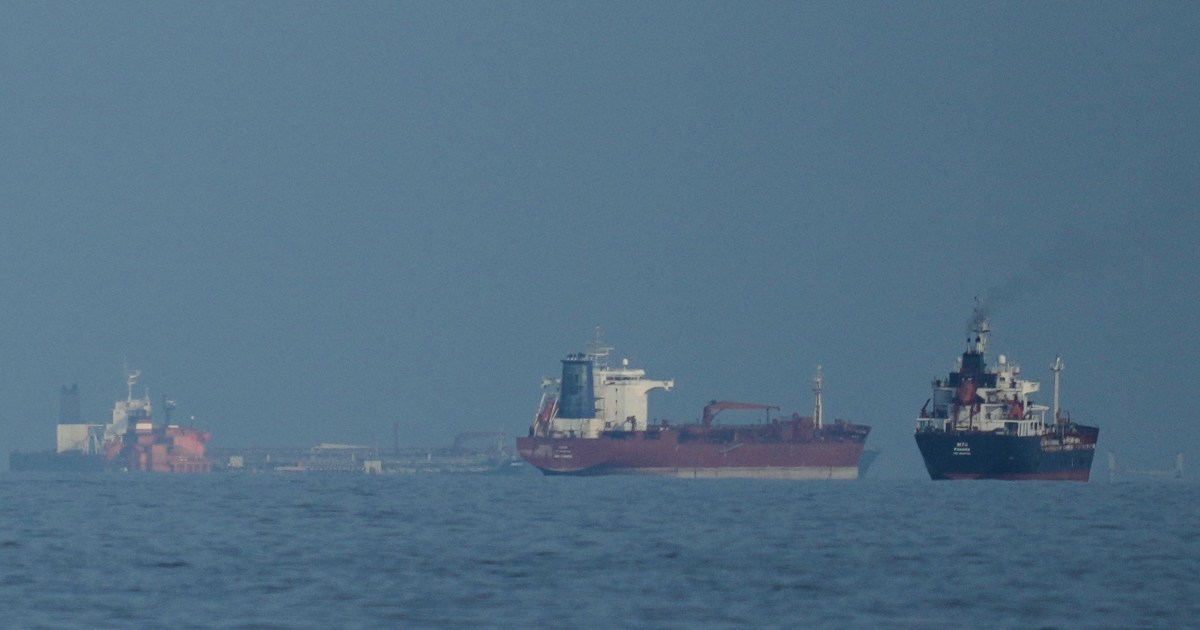
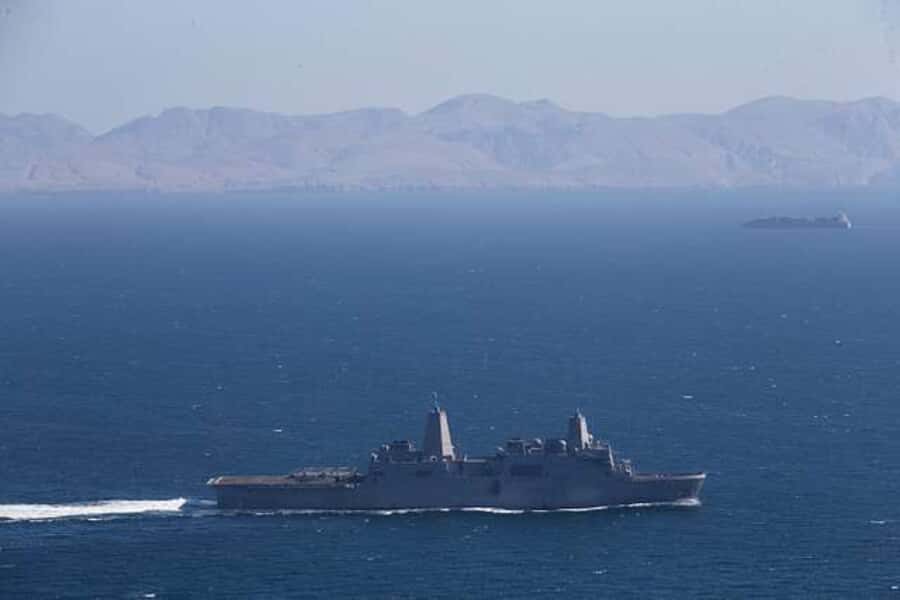
The military plan for each objective is different. Reopening Hormuz requires mine clearance, which Iran cannot finish on its own because Iran does not have all the mine coordinates. The US Navy's mine counter-measure fleet has six Avenger-class ships and an aging MH-53 helicopter wing, and the closest of them are not in the Gulf. Ending tolls requires a political decision and a line officer in Tehran with authority to stop collecting. Eliminating nuclear weapons requires inspection access to sites Iran has spent two decades concealing from the IAEA, which is a year-long program at minimum. The 24-hour window respects none of these operational realities.
"We're going to find out in about 24 hours. We're going to know soon. We're loading up the ships." President Donald Trump, April 10 phone interview with the New York Post.
The US Navy's mine counter-measure fleet has six Avenger-class ships and an aging MH-53 helicopter wing. Hormuz holds an unknown number of Iranian-laid mines, which US officials believe Iran cannot fully locate on its own.
Verified
 Bipi News
Talk to The Reporter
The General
Commanding voice of institutional military authority. Believes order, hierarchy, and hard power are the prerequisites for everything else. Finds idealism naive and chaos inexcusable.
First call is free. 5 minutes, no sign-up required.
Strategy Is the Allocation of Scarce Resources Under Uncertainty
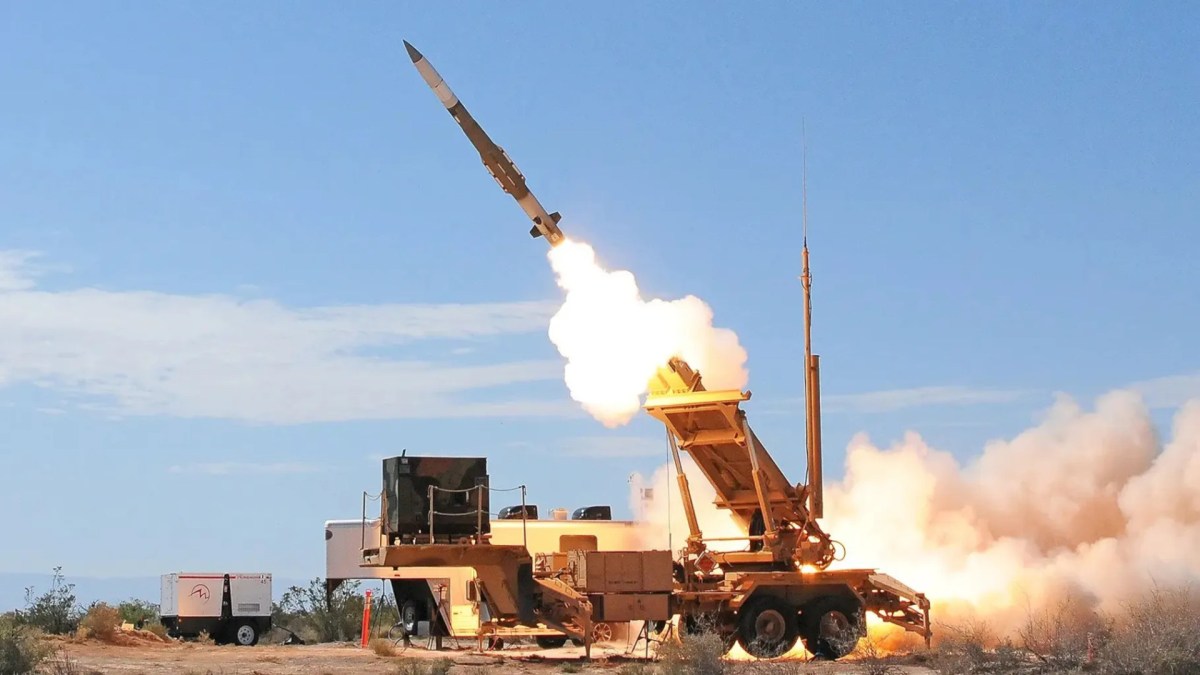
Name the scarce resources. Advanced interceptors. On the same day as Trump's 24-hour interview, the Pentagon signed a $4.76 billion PAC-3 MSE contract with Lockheed Martin. That contract is the replenishment order, not the reload. The reload is whatever sits on station right now in the Gulf and the Eastern Mediterranean, and Operation Epic Fury's first sixteen days consumed more than 1,800 Patriot interceptors. That is the scarce resource side of the ledger. The uncertainty side includes how many Iranian ballistic missiles remain functional after the war, where the launchers are cached underground, and whether the IRGC will honor any agreement the parliamentary speaker signs in Islamabad.
A General allocates scarce resources under uncertainty by setting branches and sequels. A branch is the plan for what you do if condition A fails. A sequel is the plan for what comes next after condition A succeeds. Trump's 24-hour window has no public branch and no public sequel. The messaging reads as binary: deal, or more strikes. Binary framings hide the branches, and hidden branches mean hidden reserves, which the opponent measures against your force posture and then disregards the deadline.
Who
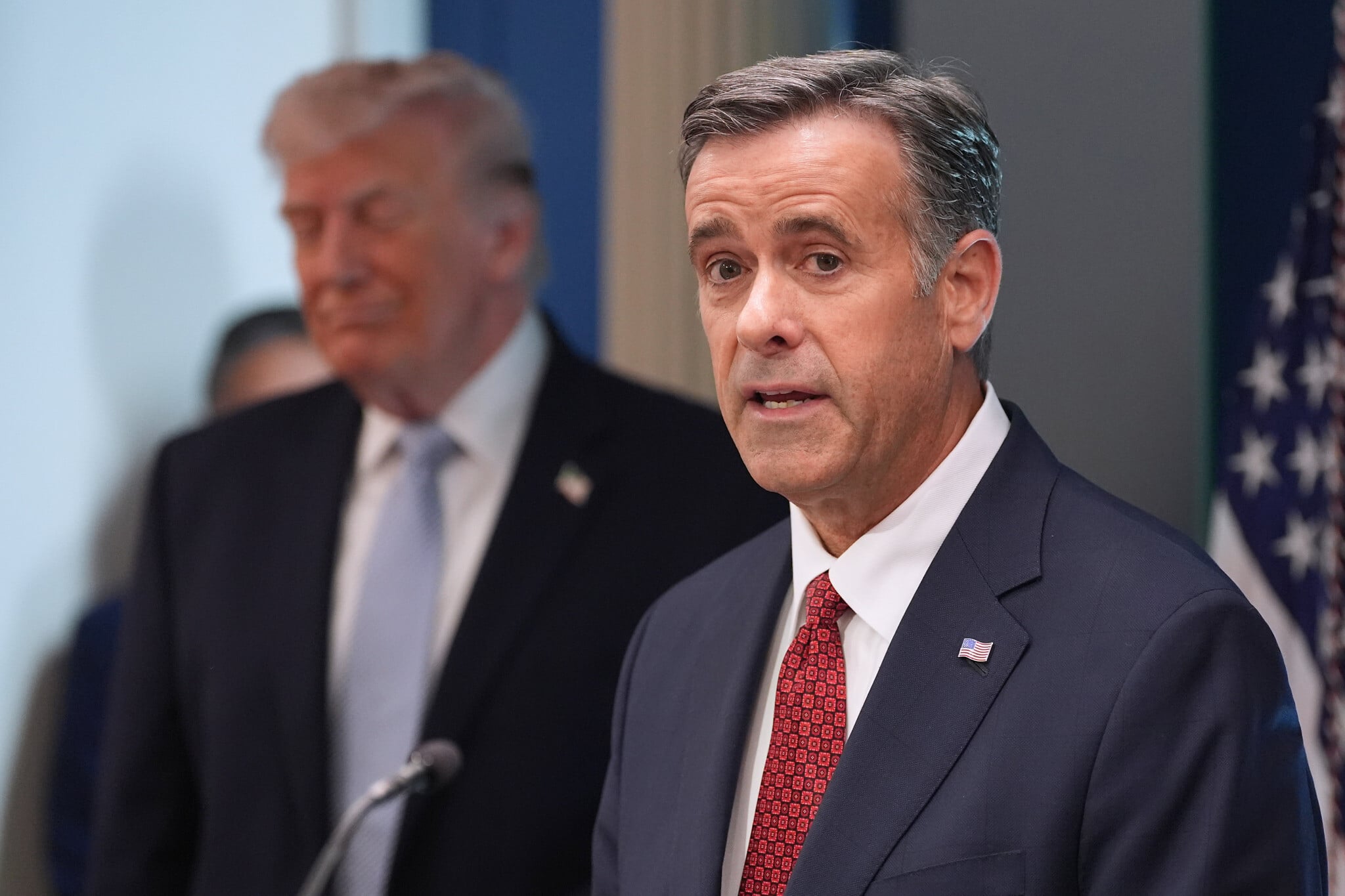
Vice President JD Vance leads the US delegation to Islamabad. Vance warned Iran not to "play us" before departing Washington on April 10, which Iran's parliamentary Speaker Mohammad Bagher Ghalibaf read as a continuation of the threat posture.
"We've been pulling together a coalition of countries, working on a political, diplomatic plan, but also looking at military capabilities and the logistics of moving vessels through the strait," UK Prime Minister Keir Starmer told reporters on April 10 after a call with the White House.
Operation Epic Fury's first sixteen days consumed more than 1,800 Patriot interceptors. Lockheed Martin's 2025 annual PAC-3 MSE production was 620. The interceptor arsenal is the scarce resource the April 11 talks have to allocate under uncertainty.
Verified
Bipi NewsThink Further on BIPI.
Unlimited access to your personalized investigative reporter agent, sourcing real-time and verified reports on any topic. Your personalized news feed starts here.
Learn moreUnity of Command Matters More Than Consensus
“"We've been pulling together a coalition of countries, working on a political, diplomatic plan, but also looking at military capabilities and the logistics of moving vessels through the strait." UK Prime Minister Keir Starmer, April 10, 2026.
Unity of command matters more than consensus, and at the moment no side has it. On the US stack: Trump talks to the New York Post and threatens reloads. Vice President Vance flies to Islamabad and warns Iran not to "play us." Starmer, on the phone from London, talks about moving vessels through Hormuz as a coalition problem. Netanyahu refuses to pause Israel's Lebanon campaign while the talks run, which risks triggering an Iranian retaliation the Islamabad delegation cannot control. Four voices, three objectives, no single chain.
The Iranian stack is no cleaner. President Pezeshkian has said Tehran wants a permanent ceasefire. Parliamentary Speaker Mohammad Bagher Ghalibaf arrived in Islamabad saying Iran has no trust in the United States after strikes mid-negotiation in a prior round. The IRGC is doing its own operational signaling through the Larak Island route announcement around the mines Iran itself laid. The President, the Speaker, and the IRGC are not a single command even on Iran's internal chart. That is the terrain the 24-hour window is supposed to cover.
What the Window Actually Buys
Bipi NewsKnow someone who should read this?
Share this report with a friend who values evidence-based journalism.
A General concedes that ultimatums have a place. Saddam Hussein received one in January 1991, and it worked because the coalition behind it had six months of force buildup, a single named objective, a clear withdrawal demand, and a Chapter VII Security Council authorization. Ultimatums work when they name one objective, are backed by force already in place, and are attached to contingency plans the commander has rehearsed and believes in.
The April 10 window has a fraction of those conditions. The force is in place, though the interceptor arsenal is thinner than the Pentagon was admitting before last month. There is no single named objective. There are no public contingency plans. There is no coalition unity, because the UK is still assembling the coalition as of Friday. What the window does have is a useful political device. An ultimatum creates urgency, disciplines the opposing delegation, and gives the principal a news cycle to rally domestic support while a ceasefire that has held for less than a week comes under strain. Those are real functions.
Concede the functions, and concede them in plain language. Then refuse the confusion. A 24-hour negotiating device is not a 24-hour operational deadline, and the commander who conflates the two has already lost the tempo. Indecision is the most expensive decision. Confusing leverage for a plan is the second most expensive. The objective for Saturday should be the question: what does the United States want that can be delivered by Sunday morning Pakistan time? Pick that objective. Commit resources to it. Announce the branch and the sequel. Then send the principal to Islamabad with authority that matches the named objective. Read the terrain. The terrain has no deadline.