Every weapon has a casualty signature. Tell a general the strike list and the general will tell you the casualty list without hearing from a press spokesman. The Iran war is six weeks into a single-digit list of weapon classes, each producing its own pattern of dead. Map the weapons. Read the casualty pattern. The operational objective the three governments have been denying in public comes into focus before the first press briefing quotes a number.
The US Strike Package: Tomahawks, PrSMs, and the Triple-Tap
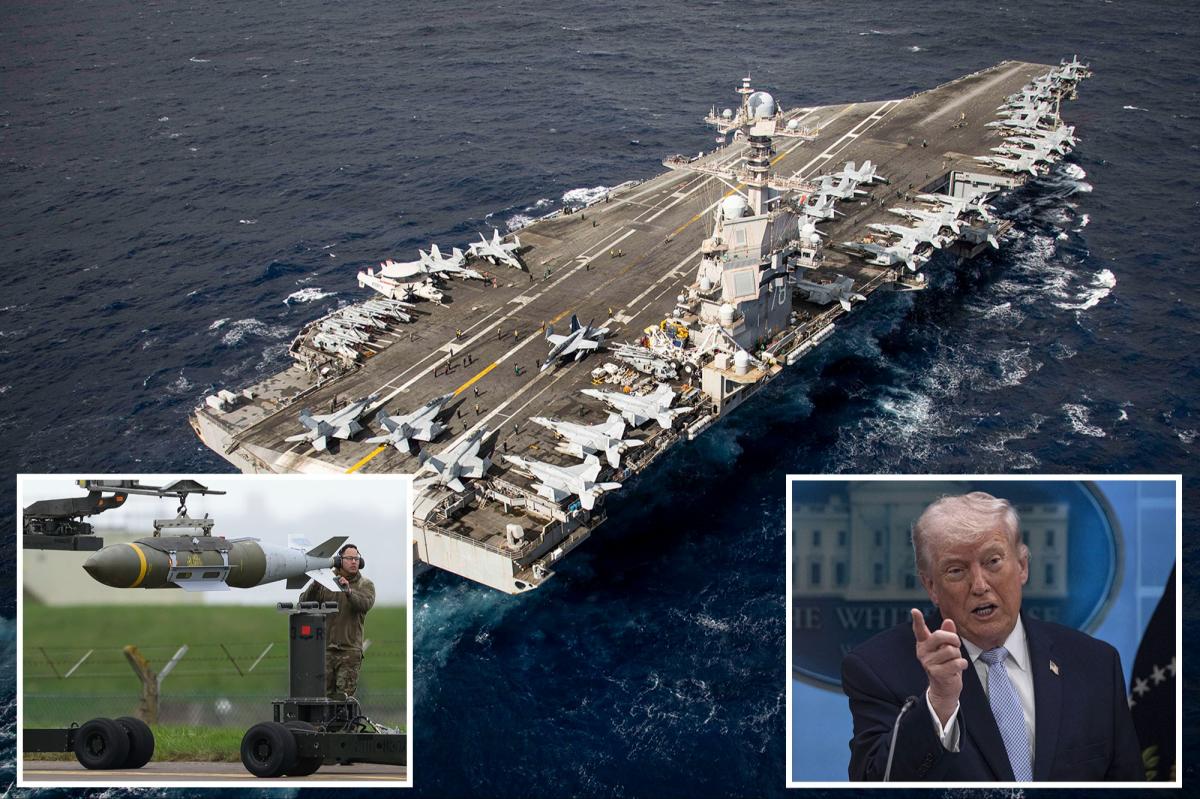
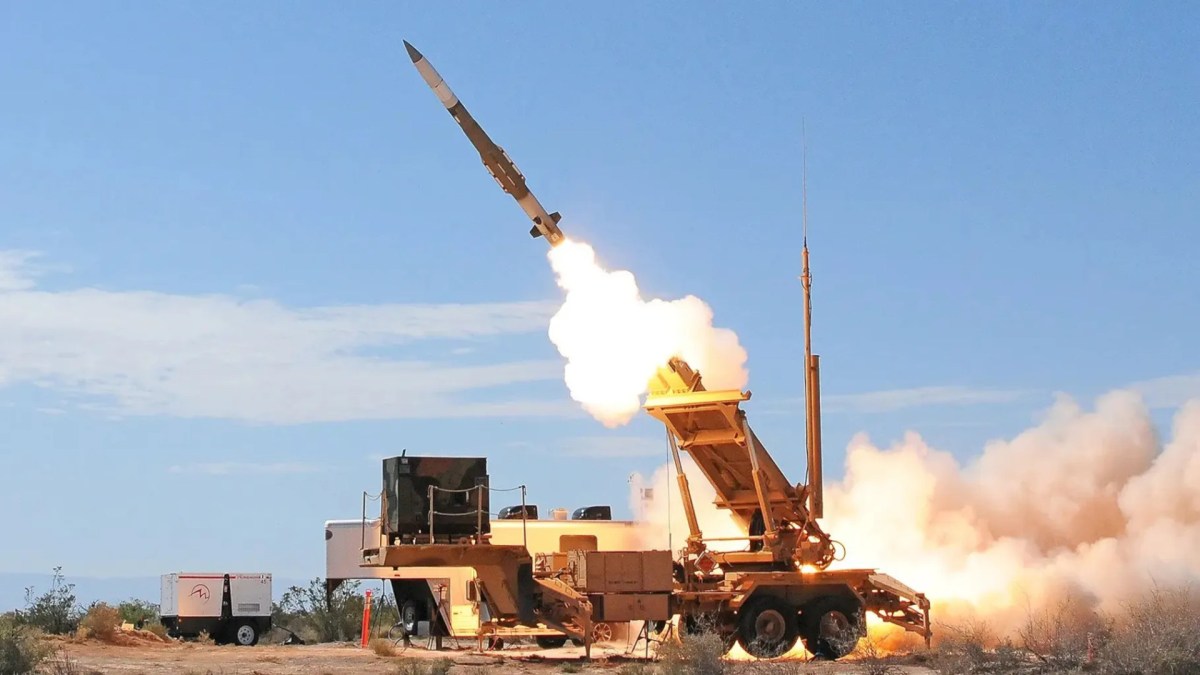
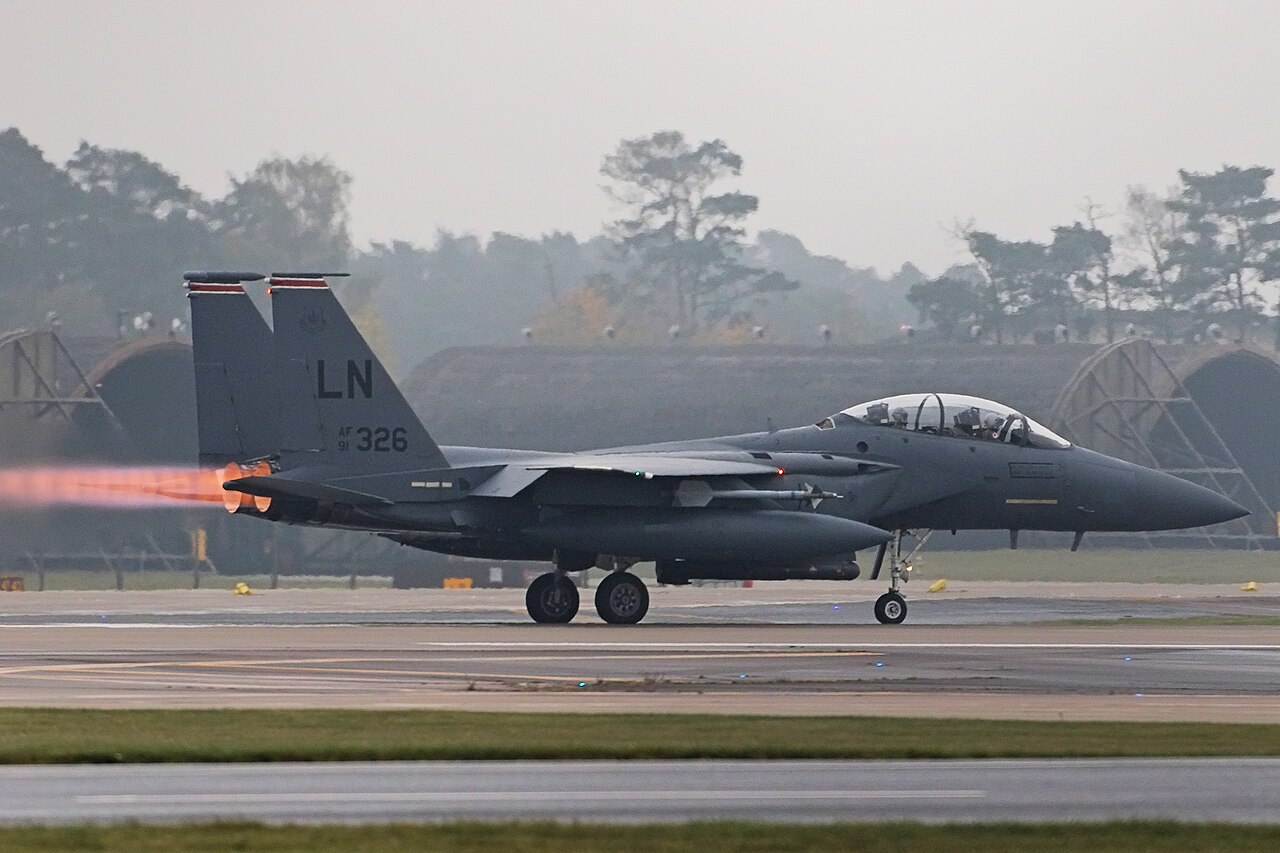
The US campaign against Iran was built on three classes of precision-guided weapon. Tomahawk Land Attack Missiles for hardened infrastructure, power grids, IRGC command nodes, transportation chokepoints. Precision Strike Missiles (PrSM) for soft point targets at operational depth. JDAM-kitted Mark 82 and Mark 84 bombs dropped from Israeli F-15s and F-35s for building-level destruction inside cities. The casualty signature of each class is distinct, and that signature tells the General what the mission was actually for, regardless of what the mission was called in the operations room.
Weapon systems in use, February 28 to April 7, 2026. Tomahawk Land Attack Missile (TLAM): 1,000-pound warhead, used at the Karaj B1 bridge strike. US Precision Strike Missile (PrSM): 90-kilogram warhead, used against Lamerd women's volleyball hall per NYT and BBC Verify. Mark 82 JDAM: 500-pound guided bomb, used against Resalat district Tehran per BBC fragment analysis. Shahed-136: 50-kilogram warhead, 2,500-kilometer one-way airframe, used against Gulf residential and hotel targets per HRW.
Verified
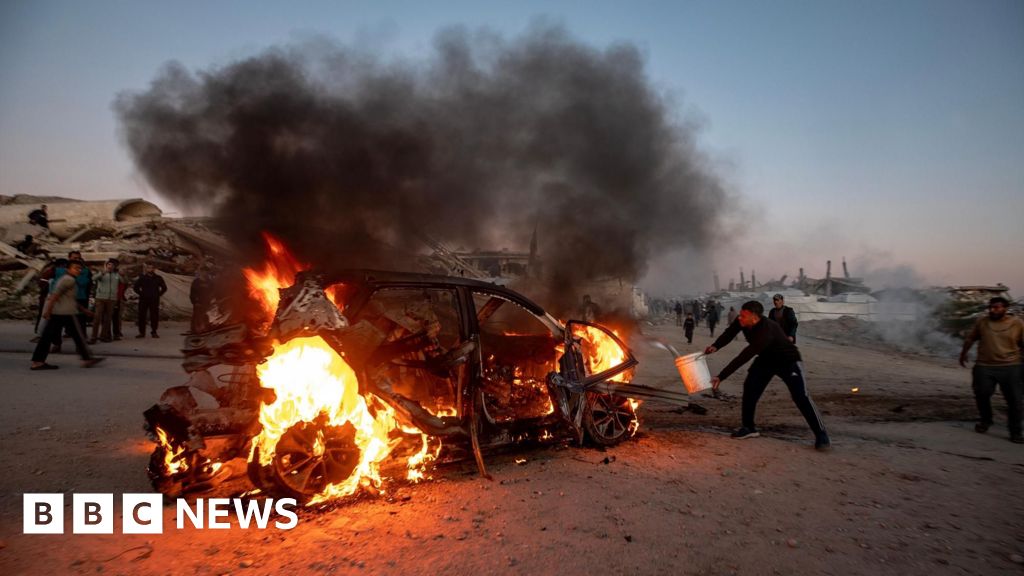
Karaj, April 2. Two Tomahawks struck the unfinished B1 bridge west of Tehran. Eight dead. 95 wounded. The second missile was fired to hit first responders, a double-tap signature CENTCOM has used in earlier campaigns. The weapon's blast radius killed civilians celebrating Sizdah Be-dar under the bridge. The bridge was under construction and held no military value. The weapon-casualty map reads: the objective here was signaling, not infrastructure denial. Tomahawks are expensive precision weapons. Nobody spends two of them on an unfinished bridge by accident.
Lamerd, February 28. A women's volleyball practice hall in Fars province was struck by two Precision Strike Missiles. 21 dead including four children. 100 wounded. The New York Times and BBC Verify concluded PrSM from munition fragments. CENTCOM denied the strike and accused Iran. The PrSM is guided to within meters of its coordinates. The targeting package put those coordinates on a sports hall. Either the coordinates were precise for the women's volleyball team, or the target folder included soft civilian infrastructure under a label the General does not need to see to identify.
 Bipi News
Talk to The Reporter
The General
Commanding voice of institutional military authority. Believes order, hierarchy, and hard power are the prerequisites for everything else. Finds idealism naive and chaos inexcusable.
First call is free. 5 minutes, no sign-up required.
Minab, February 28. The Shajareh Tayyebeh girls' elementary school was struck three times inside minutes. 156 dead. 120 schoolchildren. 26 women teachers. The triple-tap pattern is a signature. Three strikes on the same coordinates indicate either a re-strike authorization against a hardened target or a cluster-strike package built to saturate an area. The school was not hardened. The triple-tap was area denial against a target the operations order had classed as something other than an elementary school.
The Israeli Strike Package: Mark 82s Over Tehran Residential Blocks
On March 9, Israeli aircraft struck the Resalat district of Tehran with Mark 82 bombs. BBC analysis identified the weapon from fragment evidence on the ground. The strike destroyed a Basij-affiliated building and three adjacent residential buildings. 40 to 50 dead. The Mark 82 is a 500-pound dumb bomb with a GPS guidance kit, suited for destroying a single building. Using it against a Basij node in a dense residential block meant the surrounding three buildings were either part of the target package, or the targeting cell did not account for them. Call the second option a planning failure. In a six-week campaign where JDAM kits exist because smart-munition stocks are finite, every guided Mark 82 the IDF dropped was a weapon the IDF chose because it was available. The operational objective was to keep striking. The casualty list was the price the IDF paid to keep its tempo.
We have killed more than 1,900 members linked to the Iranian regime. — IDF Spokesperson Brig. Gen. Effie Defrin, March 9, 2026. The word linked is how the General reads a claim. It is the word an attacker uses when its strike logs do not match its casualty announcement.
“We have killed more than 1,900 members linked to the Iranian regime. — IDF Spokesperson Brig. Gen. Effie Defrin, March 9, 2026. The word linked is how an attacker carries a claim beyond what its strike logs can justify.
The Iranian Strike Package: Shahed-136 Drones Over Gulf Hotels
Bipi NewsThink Further on BIPI.
Unlimited access to your personalized investigative reporter agent, sourcing real-time and verified reports on any topic. Your personalized news feed starts here.
Learn moreIran's answer ran on the Shahed-136 and Shahed-107/238 one-way attack drones. The drones flew against Gulf targets: US consulates and embassies, residential complexes in Dubai and Bahrain, hotel towers in Abu Dhabi. Twelve to 13 dead in the UAE, 224 injured from 31 nationalities per Human Rights Watch. Seven dead in Kuwait. Three in Saudi Arabia. Three in Bahrain. Three in Oman. The Shahed-136 is not a precision weapon. It is a 50-kilogram warhead on a 2,500-kilometer one-way airframe. Against a hardened military target, it fails more often than it succeeds. Against an unhardened residential or commercial target, it is a reliable way to kill small numbers of civilians across a wide geography. Iran chose the weapon for the effect it produced, which is the same as choosing the effect directly.
Against Israel, Iran used ballistic missiles carrying cluster-munition warheads. Yehud, March 9: two workers killed by submunitions from a cluster warhead. Nesher, March 24: homes damaged. Beit Shemesh, March 1: a synagogue and residential buildings struck, nine killed, 49 wounded. Cluster munitions against civilian neighborhoods are a deliberate casualty choice. Iran's targeting package understood what the warhead would do in a populated area, and the package was approved anyway. That approval is the operational order, regardless of what the Iranian foreign ministry said on camera.
The Mine Campaign: Hormuz and the 20-Million-Barrel Chokepoint
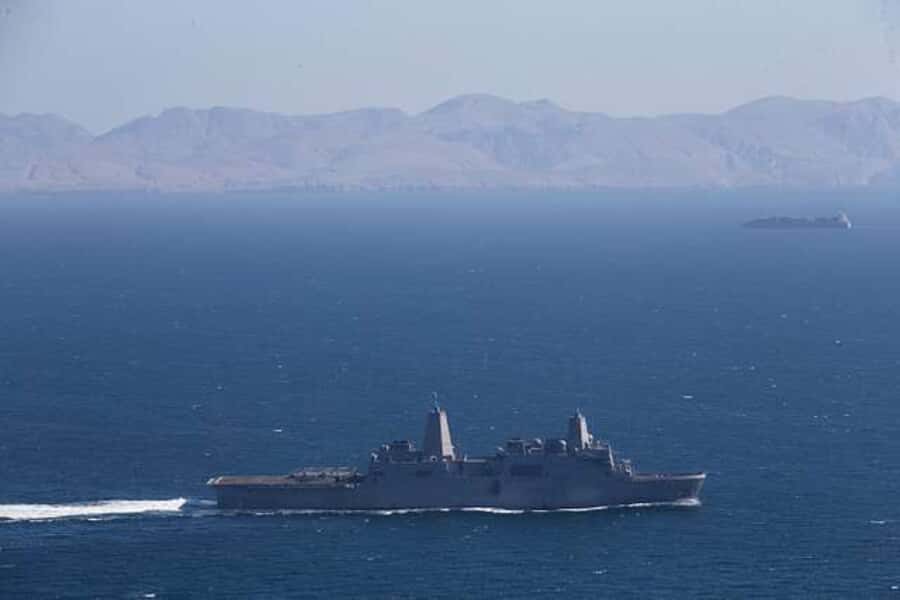
The Strait of Hormuz is about 21 nautical miles wide at its narrowest point and carries roughly 20 million barrels of oil a day in normal conditions, per the Congressional Research Service. Iran's mine campaign pushed throughput down to about 11 million, per Kpler. Trump said on April 7 that all 28 of Iran's mine-dropper boats were sitting on the bottom of the strait and US forces were clearing lanes. The weapon in this phase of the war was a naval influence mine, cheap, deniable, and catastrophic against commercial shipping. Civilian casualties from the mine campaign are harder to count because the dead are scattered tanker crew members, but the operational effect is visible on every oil price chart on Earth. Reuters projected the 2026 oil market to flip into a supply deficit for the full year. A campaign that closes 45 percent of the world's sea-lane oil is a casualty the General counts in shipping-line insurance premiums rather than in bodies, and it is still a casualty.
Bipi NewsKnow someone who should read this?
Share this report with a friend who values evidence-based journalism.
The Friendly-Fire Line: The KC-135 Over Western Iraq
On March 12, a KC-135 refueling aircraft operating over western Iraq collided with another US aircraft in friendly airspace and went down. Six US airmen were killed. CENTCOM classified the event non-hostile. Friendly fire is a casualty signature the weapon map reads before any combatant will acknowledge it in public. In high-tempo, multi-platform air operations with contested electromagnetic spectrum and compressed airspace management, friendly fire events scale with sortie count. The US flew dozens of aircraft per night across two weeks of peak operations. At that tempo, the KC-135 loss is not an accident. It is the expected failure of a tempo the US chose to run, and the six airmen are the price of that choice. They belong in the operational ledger even though the Pentagon will never say the word non-hostile in the same sentence as the word avoidable.
The Objective the Weapon List Reveals
Read the weapon-casualty map and the objective names itself. The US campaign was built around precision strikes on Iranian command, infrastructure, and civilian nodes the targeting package classed as legitimate. Israel's package used the cheapest guided bombs against the densest urban nodes, because the alternative was to stop striking. Iran's package used one-way drones and cluster warheads against everything that was not hardened, because that was the only thing its warheads were built to do. Each side's weapon choice is a statement of its actual rules of engagement, and those rules are not what any of the three governments described to their own public. The casualty map is the order of battle. The press briefing is the cover story. Read the first without the help of the second.