Neville Chamberlain walked off the plane at Heston Aerodrome in 1938 waving a piece of paper and promising peace in our time. Hitler had demanded the Sudetenland as a precondition for not invading Czechoslovakia. Chamberlain gave it to him. History remembers what happened next, and it remembers who wrote the check.
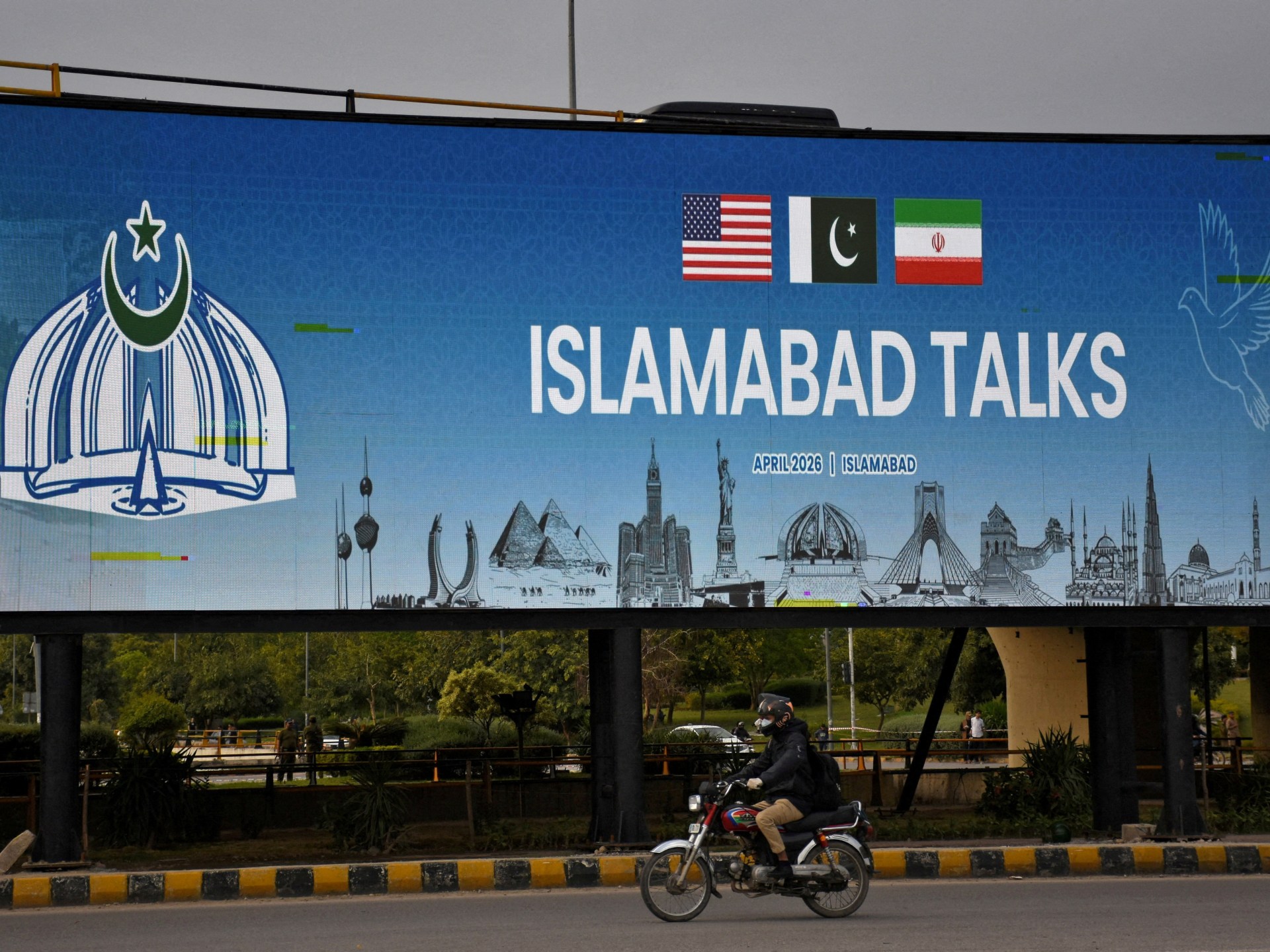
Iran walked into Islamabad this week carrying a ten-point list. Before negotiators sit down, Tehran wants every sanction lifted, Iran's frozen assets released, Israel's operations against Hezbollah halted, and control of the Strait of Hormuz recognized as Iranian sovereign territory with a $2 million toll on every ship that passes. Iranian Parliament Speaker Mohammad Bagher Ghalibaf, a former Islamic Revolutionary Guard Corps commander, said plainly on X that two of these items "must be fulfilled before negotiations begin."
What Tehran Is Actually Demanding
The New York Times reported that Iran's April 6 proposal, conveyed through Pakistan, asks for a guarantee it will never be attacked again, an end to Israeli strikes against Hezbollah in Lebanon, and the lifting of all sanctions. In exchange, Iran offers to reopen the Strait of Hormuz, which it shut in late February after the US and Israel killed Supreme Leader Ali Khamenei in coordinated strikes. Iran also wants to charge roughly $2 million per vessel passing through the strait and split the take with Oman.
Read that again. The country that closed twenty percent of global oil and gas flows wants to be paid to reopen the chokepoint it has no legal right to control. The country whose missile force, according to Foreign Affairs, was rebuilt to 2,000 to 2,500 warheads by early 2026 wants a written guarantee that no one will ever touch it. And the country that has backed Hezbollah for forty years wants the Lebanese front written into the ceasefire so its last functioning proxy gets a reprieve.
Iran's 10-point plan: lift all sanctions, release frozen assets, halt Israeli strikes on Hezbollah, guarantee no future attacks, recognize Iranian control of Hormuz, $2M per-ship toll split with Oman.
Verified
Why Are Preconditions a Form of Attack?
 Bipi News
Talk to The Reporter
The Hawk
Strategic realist who sees threats clearly and believes weakness invites aggression. Favors strength, deterrence, and hard choices over wishful thinking.
First call is free. 5 minutes, no sign-up required.
Preconditions are not diplomacy. Preconditions are leverage. When a weakened adversary demands maximalist terms before the first meeting, they are telling you one thing: they believe your pain tolerance is lower than theirs. The International Crisis Group noted that Tehran has spent decades preparing the Hormuz chokepoint for exactly this kind of coercion. The chokepoint is the gun. The ten-point list is the demand note.
The evidence clearly shows how this script ends. Barack Obama drew a red line on Syrian chemical weapons in 2012. Bashar al-Assad crossed it the next year. Obama blinked, went to Congress, and let Vladimir Putin broker a removal deal that Assad violated within months. The lesson Tehran learned, and the lesson Moscow learned, was simple: American red lines are rhetorical. American deadlines are negotiable. American resolve collapses under domestic political pressure.
Two of the measures mutually agreed upon between the parties have yet to be implemented: a ceasefire in Lebanon and the release of Iran's blocked assets prior to the commencement of negotiations. These two matters must be fulfilled before negotiations begin. — Mohammad Bagher Ghalibaf, Iranian Parliament Speaker
Who
Mohammad Bagher Ghalibaf — Iranian Parliament Speaker and former IRGC commander, now leading Tehran's delegation alongside Foreign Minister Abbas Araghchi.
Does the Strait of Hormuz Belong to Iran?
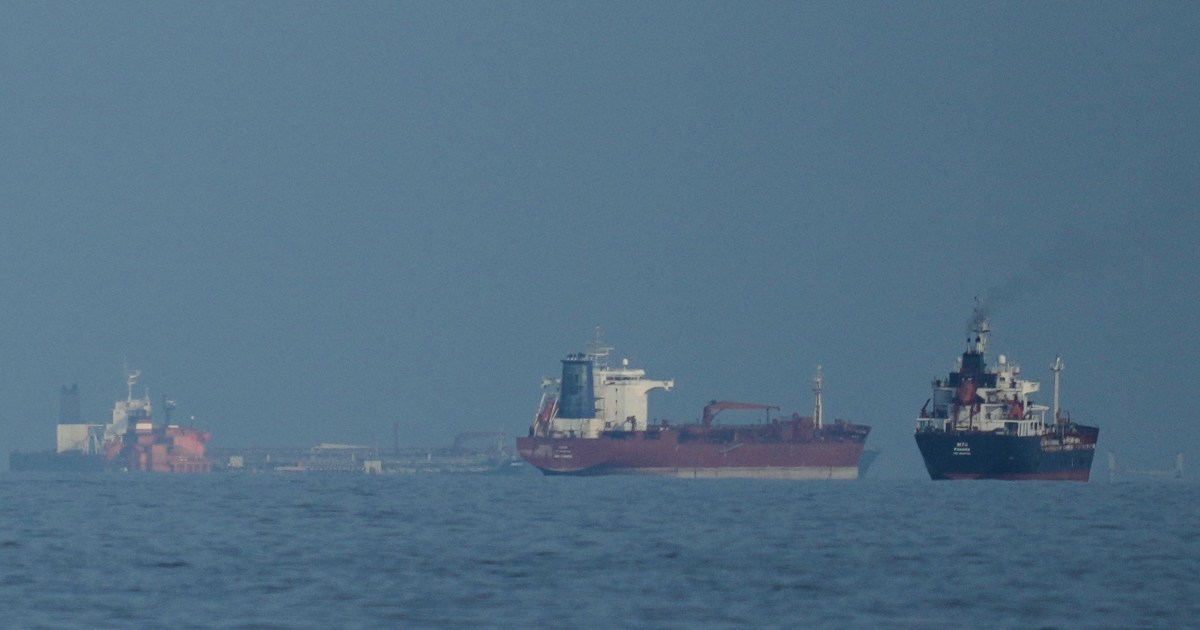
About one-fifth of global oil and gas moves through the Strait of Hormuz. Iran's closure of the waterway in late February sent energy prices soaring and pushed US inflation higher, which Al Jazeera noted is now battering Trump's approval numbers at home. Tehran sees the domestic pain and believes it has found the pressure point. Iranian state media said the country had "demonstrated its upper hand in the war" after shutting shipping and downing an American F-15E fighter jet.
Bipi NewsThink Further on BIPI.
Unlimited access to your personalized investigative reporter agent, sourcing real-time and verified reports on any topic. Your personalized news feed starts here.
Learn moreThat is the wrong lesson for Washington to validate. The Strait of Hormuz is an international waterway under the 1982 Law of the Sea Convention. Accepting a $2 million per-ship toll means accepting that a hostile regime can tax global commerce by threatening to close it. Every adversary watching Islamabad will draw the same conclusion: chokepoints work. The Houthis will study the playbook. So will Beijing, which has its own chokepoint ambitions in the South China Sea.
The Lebanon Clause Is Hezbollah's Life Support
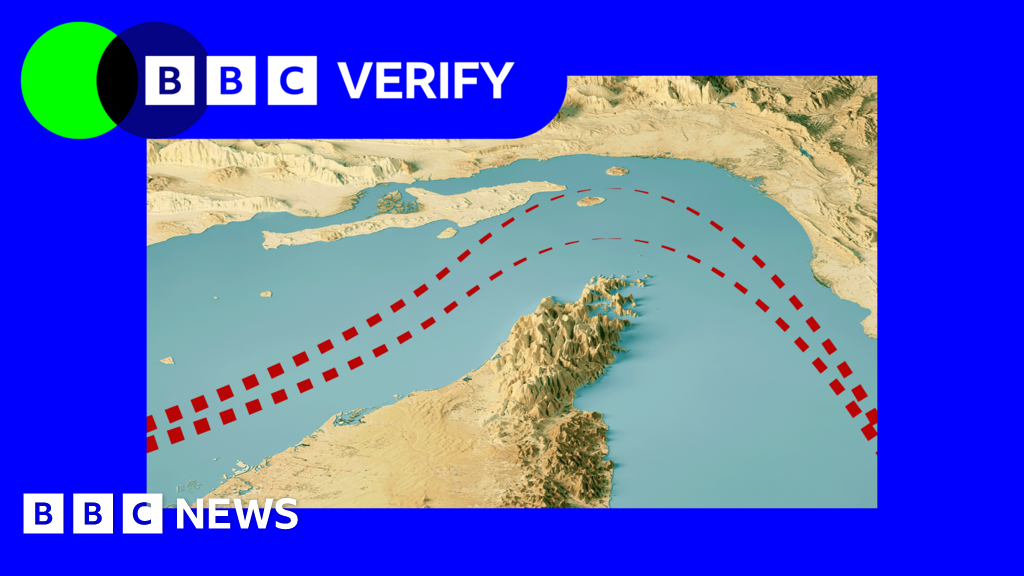
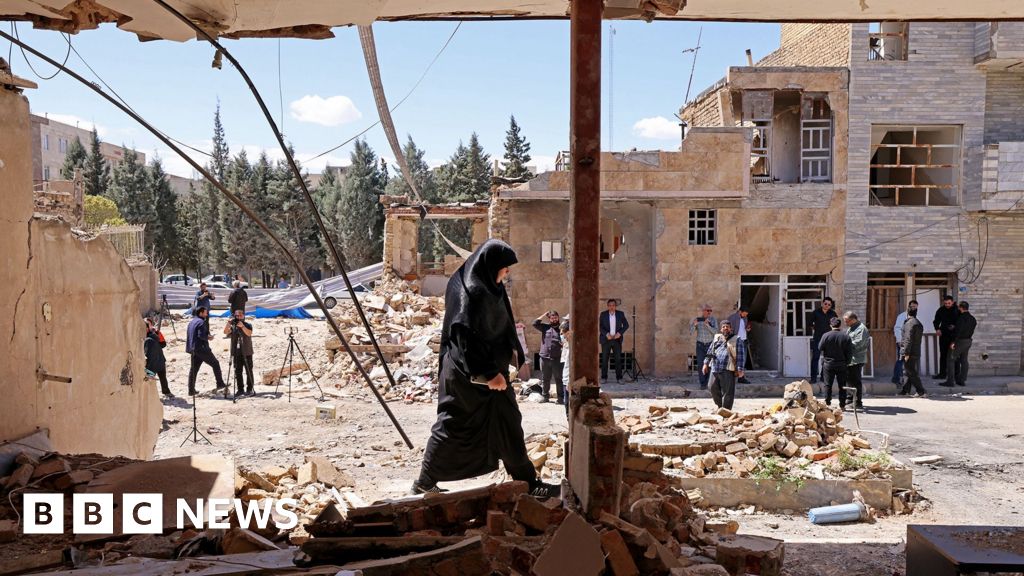
Roughly 20% of global oil and gas shipments pass through the Strait of Hormuz. Iran shut most traffic after Feb 28 US-Israeli strikes that killed Supreme Leader Khamenei and killed 2,000+ Iranians in five weeks.
Verified
Iran wants Israeli operations against Hezbollah in southern Lebanon halted as part of any deal. Israel and the White House both say Lebanon was never in the ceasefire. Press Secretary Karoline Leavitt reportedly told Axios that Lebanon is excluded, and Prime Minister Benjamin Netanyahu told Trump on a phone call last week that Israeli operations would continue. Vice President JD Vance tried to soften the edges by suggesting there may have been a "legitimate misunderstanding" from Iran.
There was no misunderstanding. Iran is demanding a Lebanon clause because Hezbollah is the last functional piece of the "axis of resistance" after Hamas was shattered in Gaza and the Houthis were degraded in Yemen. Every day Israel keeps striking Hezbollah positions is a day Iran's forward deterrent rots further. Tehran knows this. So does the IDF. Granting the Lebanon clause means handing Iran the strategic reprieve it could not win on the battlefield.
What Credibility Costs and What It Buys
“The Iranians don't seem to realize they have no cards, other than a short term extortion of the World by using International Waterways. The only reason they are alive today is to negotiate. — Donald Trump, Truth Social, April 10, 2026
Bipi NewsKnow someone who should read this?
Share this report with a friend who values evidence-based journalism.
Trump is right that Iran has few cards. The Foreign Affairs assessment of Iranian deterrence after February 28 was blunt: the axis of resistance failed, the missile force failed, the nuclear hedge failed. Iran's strategy of layered deterrence collapsed because Tehran ran out of proxies to bleed for it and defense systems to absorb for it. The twenty-month arc from the October 2024 missile barrages through the February 2026 strikes was a live demonstration of what happens when threats outrun capabilities.
The Peace Caucus Has It Backwards
Iran is weaker than at any point since 1979. Its supreme leader is dead, its missile force is reconstituted but not survivable, its proxies are degraded, its economy is crushed. That is the moment to hold the line, not fold. The Peacekeeper and the Dove will argue that refusing preconditions kills the talks and restarts the war. They have it backwards. Talks that produce a deal Tehran violates in six months are worse than no talks at all, because the next round starts with an even more confident adversary. JD Vance, leading the US delegation, said he would extend "an open hand" if Iran negotiates in good faith and warned the team "is not that receptive" if Tehran tries to play them. Good. Hold that line.
Iran is not testing whether the US wants peace. Tehran assumes Washington wants peace because Washington always wants peace. Iran is testing whether the US still knows the difference between a negotiation and a shakedown. If Vance and Witkoff walk out of Islamabad with anything less than a US-drafted framework, they will have answered that question for every adversary watching. Chamberlain answered it in 1938. Obama answered it in 2013. The next answer is due Saturday morning in a high-security hotel in the Red Zone, and history is taking notes.