Every body on this war's ledger has a price. The price is not the same on every side of the line. That is the first fact the Iran war's economics refuses to let anyone forget. The Pentagon has a line item for every American casualty. Israel has a defense budget so large it would be a mid-table OECD economy if you ripped it out of the Knesset spreadsheet. Iran is paying for the war in dead generals and damaged residential units, neither of which the central bank has a spreadsheet column for. Put every one of these lines onto a single page and read what the page says.
The Pentagon Is Spending About $1 Billion a Day. The Receipt Names 13 Americans.
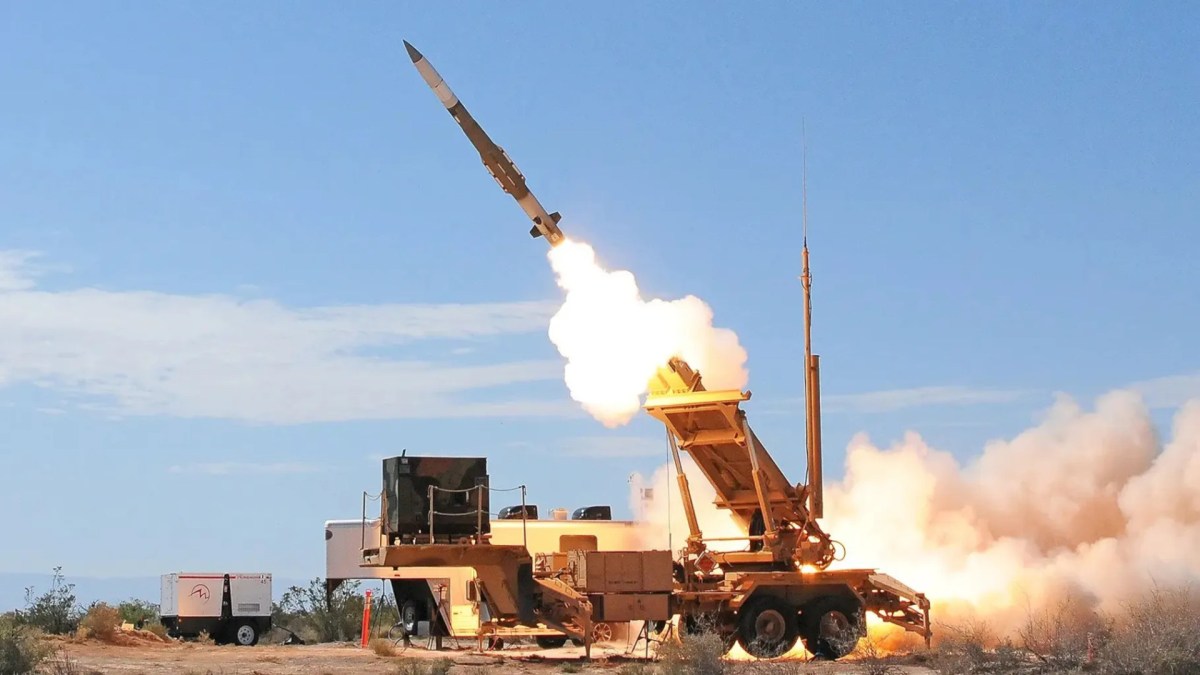
CSIS costed the first 100 hours of Operation Epic Fury at $3.7 billion, or $891 million a day. By day six the running total had reached $11.3 billion. By day twelve it had reached $16.5 billion. The Penn Wharton Budget Model projected the campaign would hit $47 billion by the end of April. The Associated Press, citing a Pentagon source, reported the running total had already passed $35 billion across five weeks, averaging roughly $1 billion per day. Call that Line 1 on the American side of the ledger.
Operation Epic Fury running cost, cumulative. CSIS: $3.7B first 100 hours, $11.3B day 6, $16.5B day 12. Penn Wharton Budget Model: $27 to $28B already spent by early April, $47B projected through end of April. AP via KOTA: $35B across first five weeks, averaging $1B per day. Pentagon death benefit per service member: $400,000 gratuity plus $500,000 SGLI.
Verified
Line 2 is 13 dead Americans. Six airmen in the KC-135 crash over western Iraq on March 12. Six US Army Reservists from the Iowa-based 103rd Expeditionary Sustainment Command in the March 1 drone strike on Camp Arifjan, Kuwait. One more in combat operations. The military death gratuity for a service member killed on active duty is $400,000, paid to the family, plus a $500,000 Servicemembers' Group Life Insurance benefit when enrolled. Thirteen families. Eleven million dollars in statutory benefits. The Pentagon is spending approximately 3,200 times the statutory death benefit per American casualty. That is a ratio, not a verdict. The verdict is how the ratio got that high.
 Bipi News
Talk to The Reporter
The Economist
Rigorous analyst of incentives, tradeoffs, and unintended consequences. Believes most policy failures are economic failures in disguise.
First call is free. 5 minutes, no sign-up required.
Israel's 2026 Defense Budget Is Larger Than Many Pre-War GDPs
The Knesset passed its 2026 budget in late March with roughly $44.8 billion allocated to defense, an increase of $9.48 billion over the previous year, per Breaking Defense. Al Jazeera reported a figure of $45.8 billion for the defense ministry line. Calcalist calculated that the war itself, combined with ordinary defense spending, had reached approximately NIS 47 billion, or about $15 billion, by April 5. Haaretz reported on March 19 that the IDF had spent 20 billion shekels, roughly $6.3 billion, in the first 19 days of the war alone. Israel counts 25 to 40 dead so far. At $15 billion spent and 30 Israeli dead, the ratio is about $500 million per Israeli casualty. That is the price a wealthy combatant pays to keep its casualty column as short as Israel's column has stayed.
Iran's Ledger Is Paid in People and Buildings
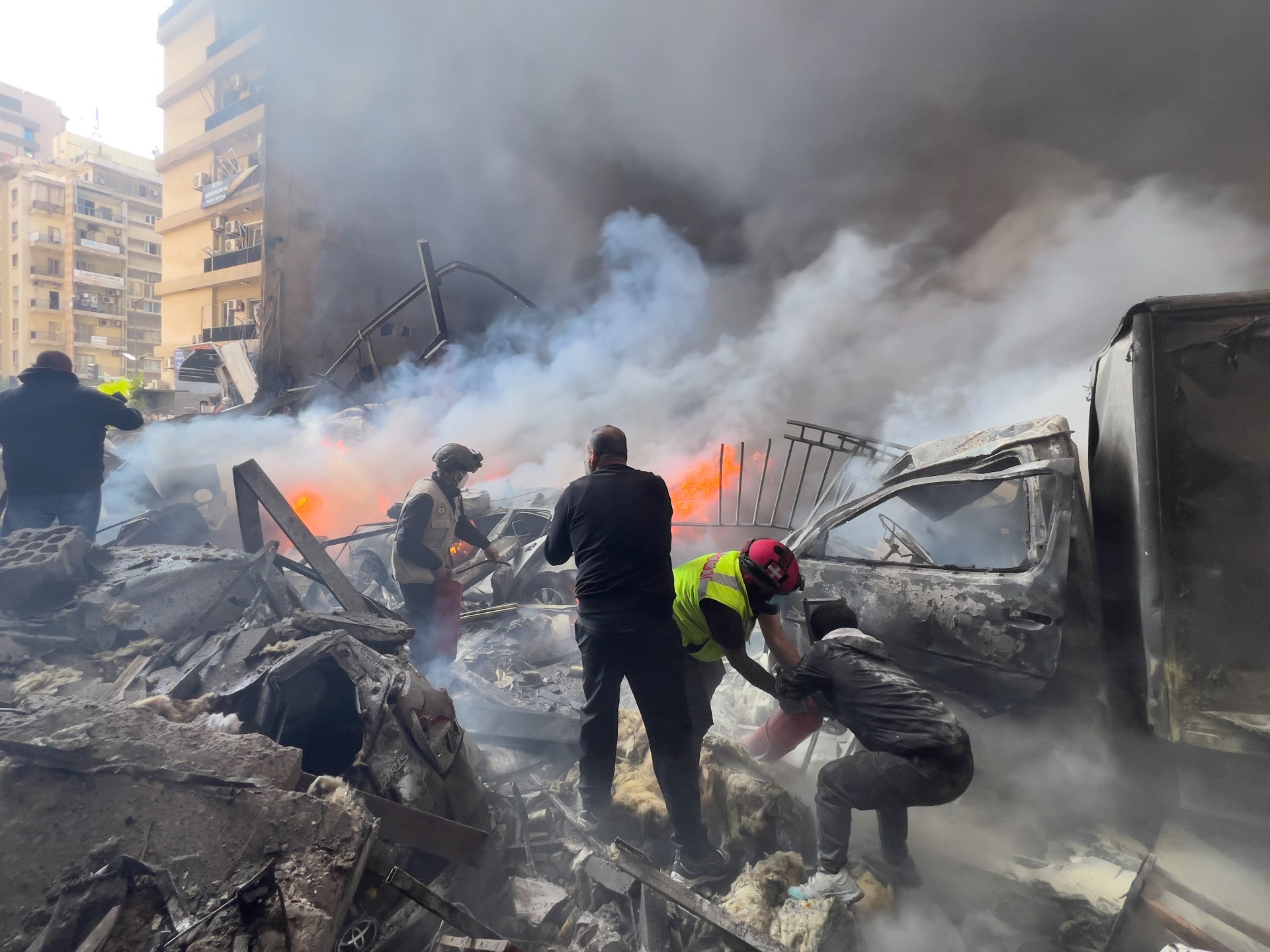
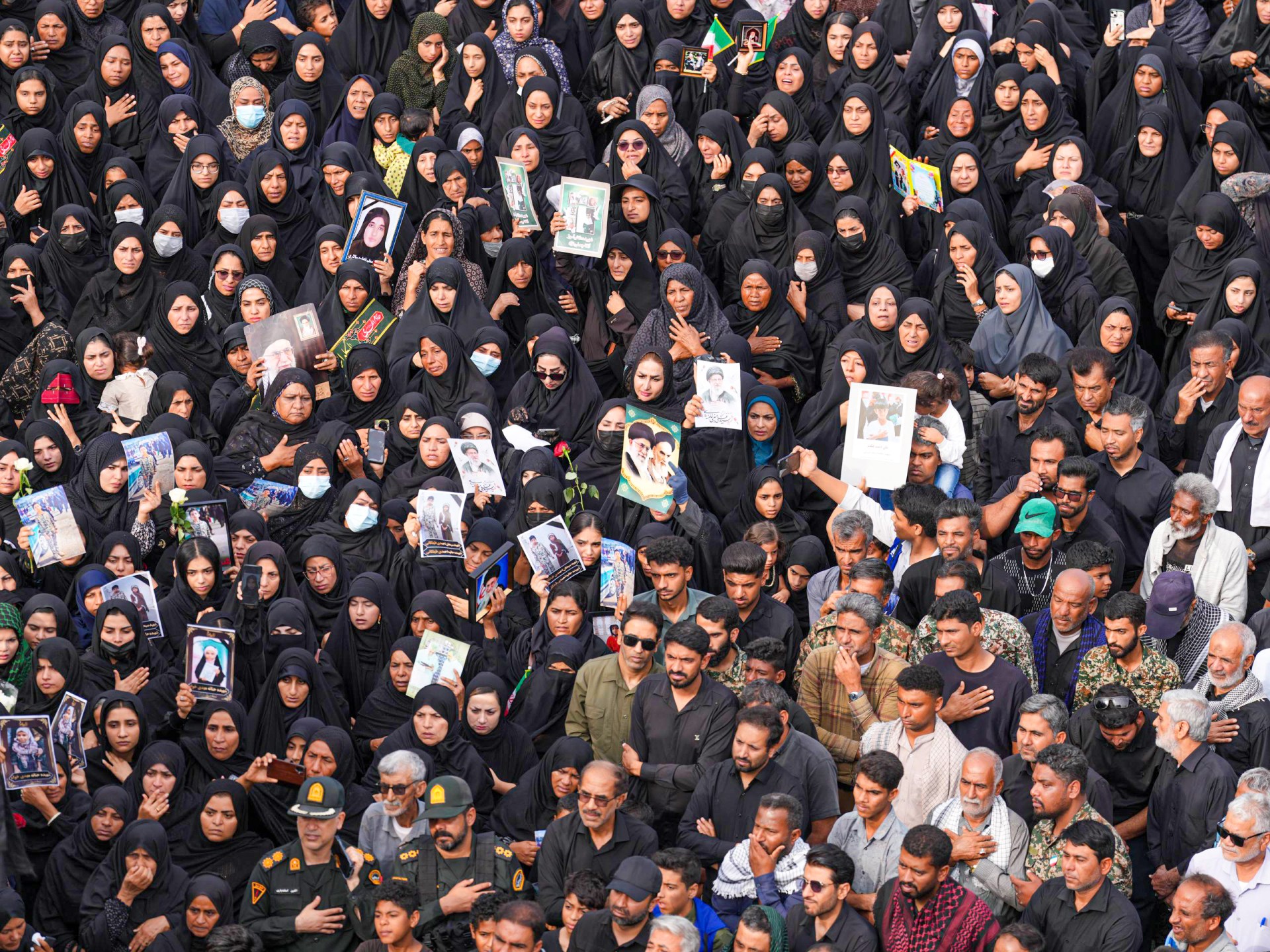
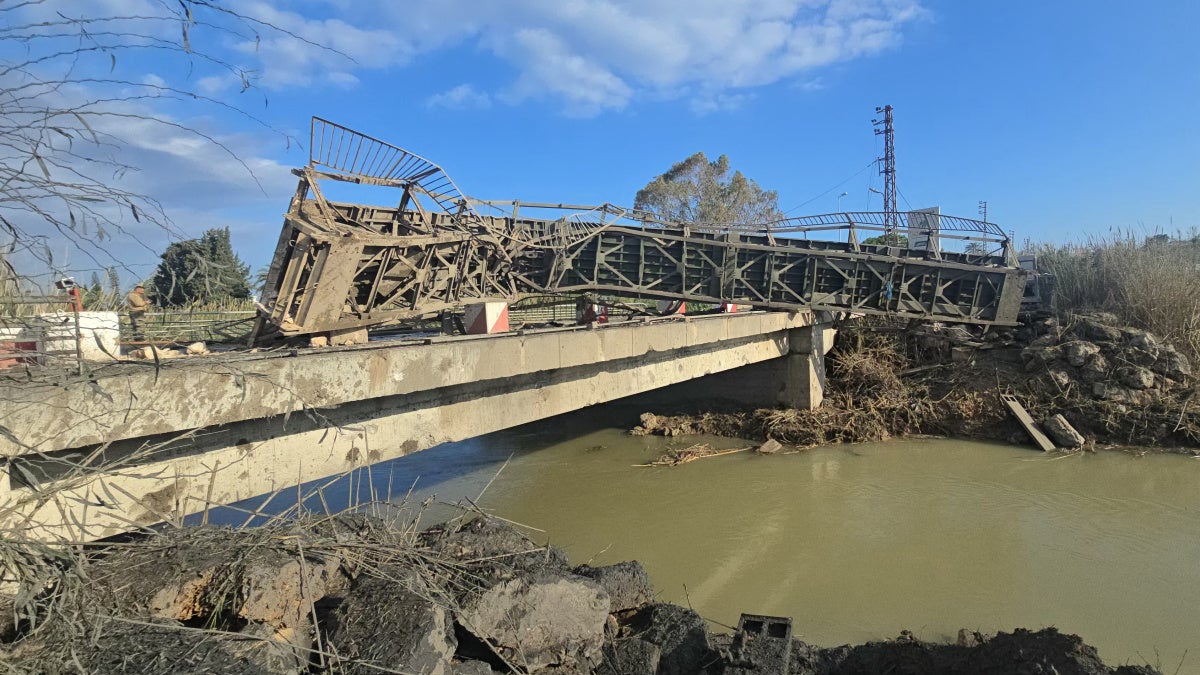
Iran's ledger is not denominated in dollars. HRANA counted 3,636 Iranians killed by April 7, including 1,701 civilians and 1,221 military. Hengaw counted 6,620 military alone by April 8. The Iranian Red Crescent reported that more than 6,668 civilian units had been struck by March 7, including 5,535 residential units, 1,041 commercial units, 14 medical centers, 65 schools, and 13 Red Crescent centers. The assassinated list of senior officials includes Supreme Leader Ali Khamenei, Defense Minister Aziz Nasirzadeh, IRGC commander Mohammad Pakpour, Supreme National Security Council Secretary Ali Larijani, and Major General Majid Khademi. Iran is paying the war in three currencies the central bank cannot print: people, buildings, and negotiating position. All three are finite.
“Wars cause large and persistent economic losses, with output declining by roughly 7 percent over five years. — IMF research summary, April 8, 2026
Bipi NewsThink Further on BIPI.
Unlimited access to your personalized investigative reporter agent, sourcing real-time and verified reports on any topic. Your personalized news feed starts here.
Learn moreAt an Iranian per-capita GDP of roughly $4,500, 3,636 dead represents a direct annual output loss of $16 million, which is a rounding error on the Pentagon's daily burn rate. But the IMF reported on April 8 that wars typically cause output to decline by roughly 7 percent over five years. Applied to Iran's pre-war GDP of roughly $400 billion, that implies a long-run economic loss on the order of $140 billion over half a decade. That is four times what the Pentagon has spent on the whole campaign, and it will be paid by Iranians who did not choose the war.
Wars cause large and persistent economic losses, with output declining by roughly 7 percent over five years. — International Monetary Fund research summary, April 8, 2026
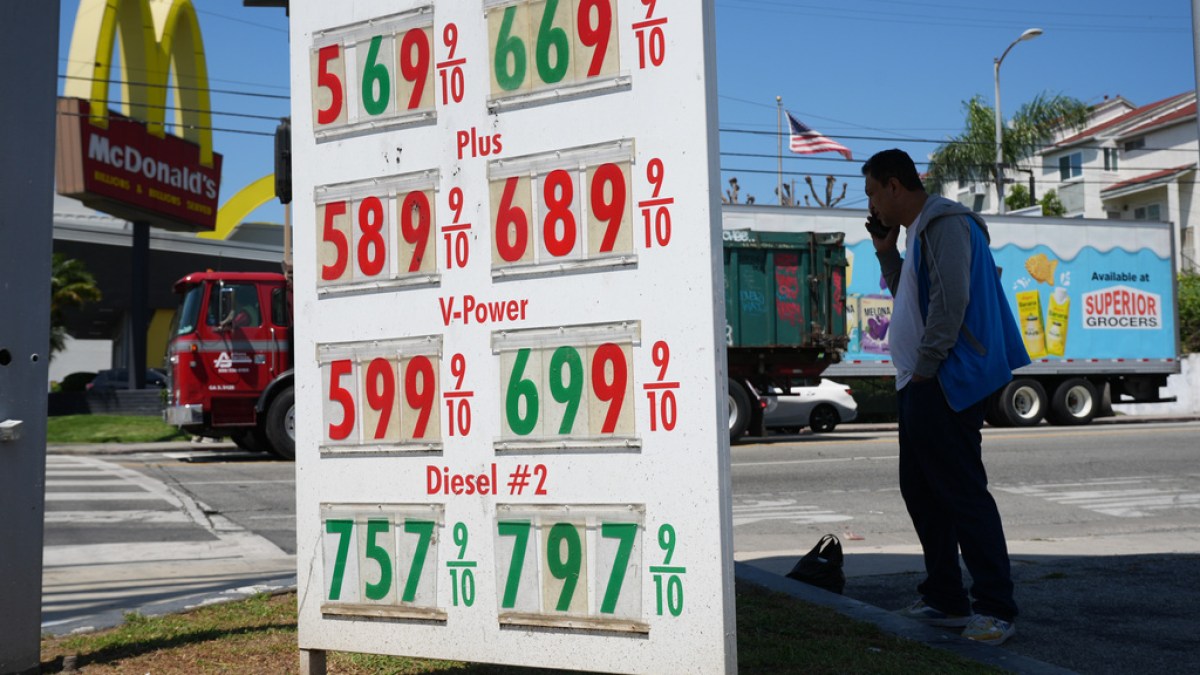
Oil supply shock, first five weeks of the war. Brent crude: surged from the mid-$70s to $100+ per barrel. Hormuz throughput: cut from approximately 20 million barrels per day in 2024 (CRS) to roughly 11 million (Kpler), the largest modern oil supply disruption. Global supply off: at least 10 percent (NYT, April 10). Market structure: Reuters projected the 2026 oil market to flip into a supply deficit.
Verified
The Oil Shock Is the Biggest Line Item, and Nobody Knows Who Owns It
The New York Times reported on April 10 that companies have turned off 10 percent or more of the world's oil supply since the war started because they cannot safely operate through the Strait of Hormuz. Kpler measured roughly 11 million barrels a day of crude transiting Hormuz, which the Congressional Research Service had put at 20 million barrels a day in 2024. Brent surged from the mid-$70s to above $100 a barrel by early March and has traded around $100 since. Every consumer of oil on Earth is paying part of this war's bill at the pump, at the airline ticket counter, and on the electricity bill. Reuters reported that the hit to global oil production is poised to flip the market into a supply deficit for the full year. That line does not sit on any combatant's books. It sits on everyone else's.
Bipi NewsKnow someone who should read this?
Share this report with a friend who values evidence-based journalism.
Cost Per Dead, Side by Side
Pentagon: $35 billion spent, 13 American dead. Roughly $2.7 billion per American casualty. Israel: $15 billion spent, 25 to 40 Israeli dead. Roughly $500 million per Israeli casualty. Iran: no directly comparable fiscal spend disclosed, 3,636 dead by the most conservative civilian-plus-military count, 6,620 military alone by the widest plausible count. The long-run Iran cost, applying the IMF's 7 percent output decline, is $140 billion, which lands at $38 million per Iranian dead on the most conservative count. Lebanon: reconstruction baseline from the 2024 to 2025 round was $11 billion, the 2026 round has not been re-estimated yet, 2,020 dead. Gaza: cumulative reconstruction invoice estimated earlier this year at roughly $80 billion, 72,000 cumulative dead, roughly $1.1 million per casualty.
The asymmetry is not subtle. The wealthier the combatant, the higher the dollar cost per casualty, and the lower the casualty count itself. A wealthy combatant spends money to keep its dead column short, and its citizens accept the tradeoff because the bill arrives in tax receipts rather than funerals. A poorer combatant is handed the bill in bodies, and its citizens are told to accept the tradeoff by governments that did not pay enough to avoid it.
The Line Nobody Has Published Yet
Name what is not yet on the ledger. The $140 billion IMF-implied long-run Iranian output loss. The Lebanese reconstruction bill that will be quantified after the current bombardment ends. The cumulative Gaza invoice that grows with every ceasefire violation. The global oil consumer surplus transferred to Gulf producers and Russian exporters for as long as Hormuz stays throttled. The uninsured wedding halls, the uninsured funerals, the uninsured trauma care in Beirut and Tehran and Kuwait City. None of those lines are on any combatant's books yet. All of them are real, and all of them will be paid. The ledger question is which governments will still be standing when the invoice arrives, and which citizens will be handed the bill by governments that knew the bill was coming and chose not to budget for it.