Execution is everything. The best plan poorly executed loses to a decent plan well executed. On April 10, the New York Times reported that physical Brent crude was trading at $145 a barrel in the ship-to-ship market where energy companies buy real barrels for delivery. The same day, Brent futures settled near $97. The Operator's first question is not what the spread means for policy. It is what the spread is telling the people who have to move the oil. The answer: futures price announcements, and physical oil prices execution, and the gap between them is $48 a barrel because the execution has stopped.
What Needs to Happen for a Tanker to Leave the Gulf
Timeline
April 10, 2026: The New York Times reports physical Brent crude sold ship-to-ship at $145 a barrel while Brent futures on ICE settled near $97. The $48 spread is the largest divergence between physical and futures Brent on record.
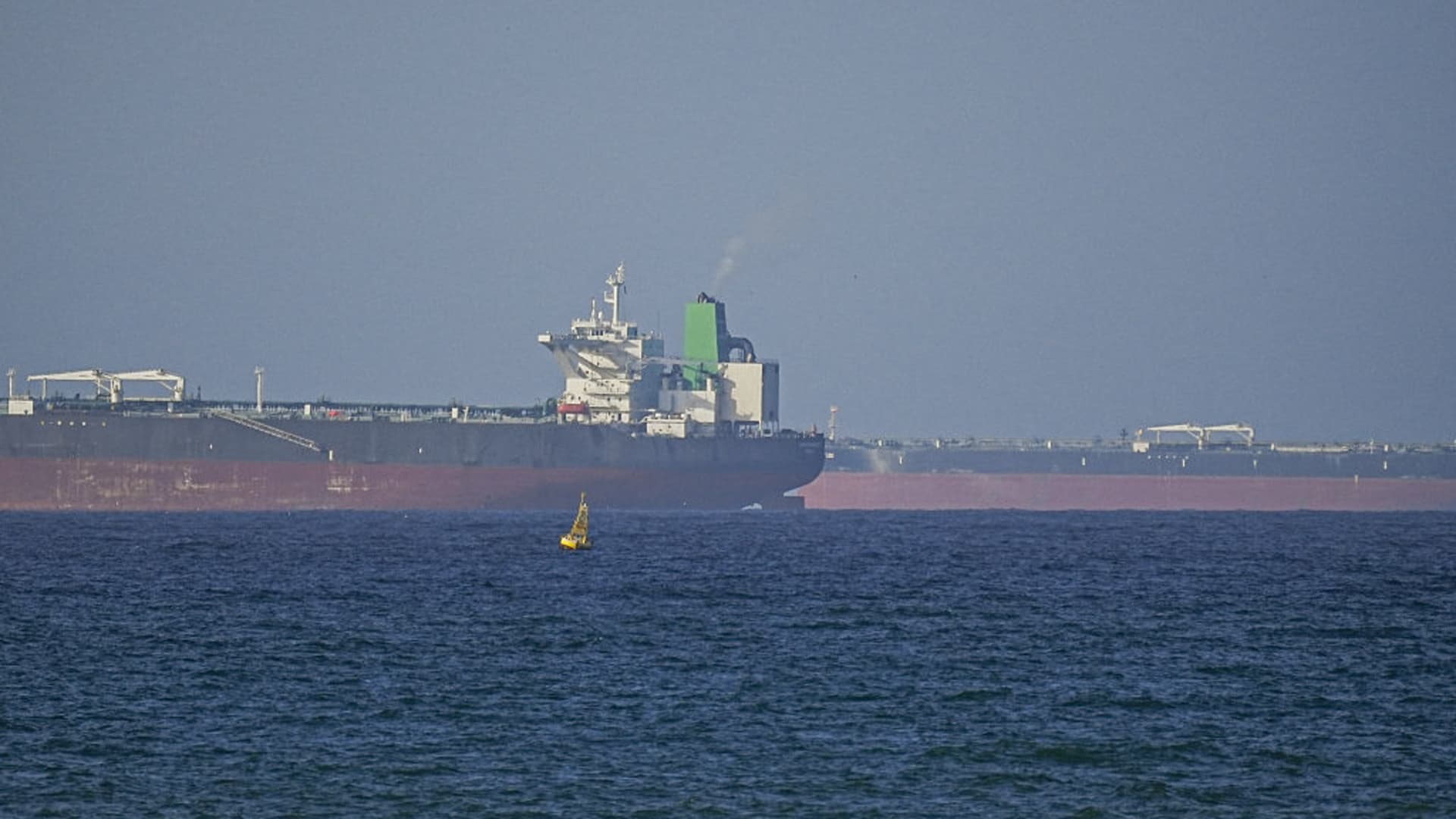
Walk the tanker through the trip. A crude carrier loading at Ras Tanura in eastern Saudi Arabia needs to cross the Persian Gulf, enter the Strait of Hormuz through the Omani side of the inbound lane, round the Musandam Peninsula, exit into the Arabian Sea, and then sail on to Rotterdam or Ningbo. Under normal conditions the Strait of Hormuz handles roughly 140 major tanker transits every twenty-four hours. On April 10, the transit count was one. One non-Iran-related vessel crossed outbound in the preceding day, per ship-tracking data cited by Reuters. The operational throughput of the most important chokepoint in global energy is down 99 percent. That is not a price signal. That is a stoppage.
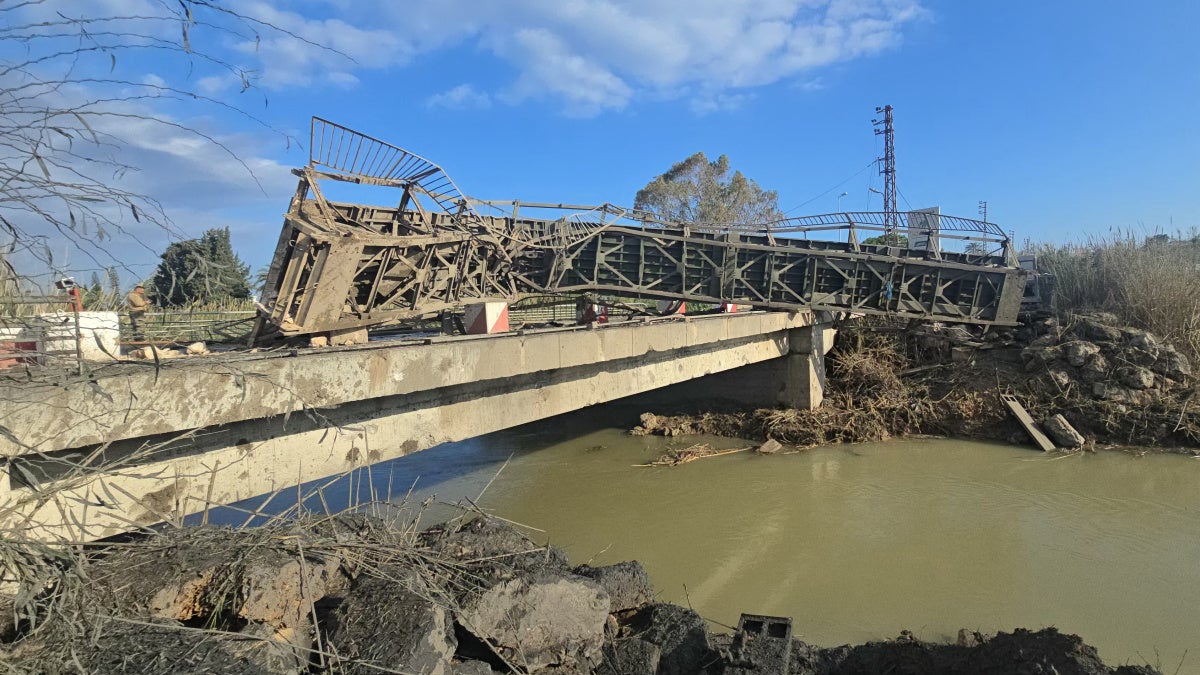
The stoppage has three physical causes, each with its own execution problem. First, the mines. Iran's Islamic Revolutionary Guard Corps laid an undisclosed number of naval mines in Hormuz during the February-April campaign. US officials told The Times that Iran itself does not have complete charts of where the mines are. A coastal state that cannot locate its own mines cannot make a credible guarantee of safe passage, and a shipowner who cannot get a guarantee cannot get insurance, and a shipowner who cannot get insurance does not sail. Second, the shipowners. Lloyd's of London war-risk premiums for Hormuz transits have multiplied. A VLCC charter that was priced at $40,000 a day in January is now quoted at levels above charter revenue. Third, the ceasefire. The April 7 ceasefire included Iran's agreement to reopen the strait, and the agreement has not operated. A deal that does not operate is a press release.
Only one non-Iran-related vessel crossed the Strait of Hormuz outbound in the 24 hours ending April 10, 2026, versus approximately 140 transits in normal conditions. Operational throughput of the world's most critical oil chokepoint is down 99 percent.
Verified
 Bipi News
Talk to The Reporter
The Operator
No-nonsense execution pragmatist who cares only about what works and who will do it. Finds abstract debates worthless without implementation plans.
First call is free. 5 minutes, no sign-up required.
"One non-Iran-related major vessel had crossed the strait to exit the Gulf in the last 24 hours, according to ship-tracking data, versus about 140 transiting normally," Reuters reported on April 10, 2026.
Every Plan to Reopen the Strait Has a Failure Point
“"One non-Iran-related major vessel had crossed the strait to exit the Gulf in the last 24 hours, according to ship-tracking data, versus about 140 transiting normally." Reuters, April 10, 2026.
Plan one: Iran reopens the strait on its own using the IRGC-announced corridor around Larak Island via Iranian territorial waters. Failure point: the corridor runs through the waters where Iran is least able to guarantee mine status. A shipowner who sails that route is betting on Iran's own mine charts, and Iran has admitted the charts are incomplete.
Bipi NewsThink Further on BIPI.
Unlimited access to your personalized investigative reporter agent, sourcing real-time and verified reports on any topic. Your personalized news feed starts here.
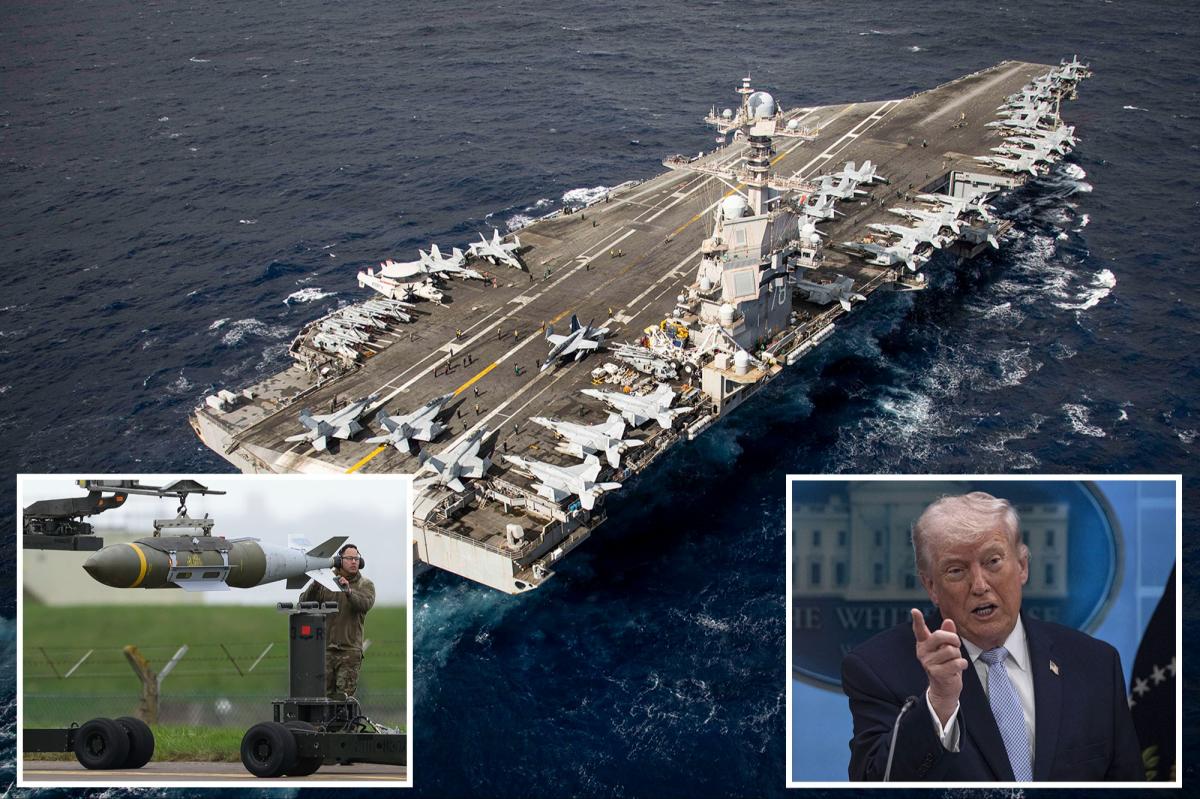
Learn morePlan two: US and coalition naval escort. UK Prime Minister Keir Starmer told reporters on April 10 that the coalition is "pulling together... looking at military capabilities and the logistics of actually moving vessels through the strait." Failure point: the US Navy's mine counter-measure fleet consists of six Avenger-class ships and an aging MH-53 helicopter wing, and the nearest MCM assets are not in the Gulf. Reinforcement would take weeks. Even after the ships arrive, mine clearance in contested waters runs at a few thousand meters per day. The strait is 21 miles wide at its narrowest. The arithmetic is public and it is not encouraging.
Plan three: bypass entirely via alternative routes. Japan is releasing twenty days of emergency oil reserves and trying to source from routes that bypass Hormuz. Saudi Arabia is rerouting via the East-West Pipeline to Yanbu on the Red Sea. The East-West Pipeline nameplate is 5 million barrels per day. Saudi exports via Hormuz were around 7 to 8 million barrels per day before the shock. The pipeline is missing 2 to 3 million barrels per day of capacity, which happens to equal the size of the supply deficit Reuters analysts now forecast for 2026. Bypass works at 60 to 70 percent of pre-shock throughput. The missing 30 to 40 percent is what the physical market is pricing.
Plan four: Japan's emergency reserve release. Twenty days of national reserves at current consumption equals approximately 120 million barrels. Japan imports about 2.4 million barrels per day. The reserve buys Japan until the first week of May. Failure point: the reserve is a bridge, not a solution, and the bridge ends.
Saudi Arabia's East-West Pipeline to Yanbu has a nameplate capacity of approximately 5 million barrels per day. Saudi exports via the Strait of Hormuz ran around 7 to 8 million barrels per day before the shock. The 2 to 3 million barrels per day gap equals the 2026 global supply deficit Reuters analysts now forecast.
Verified
Bipi NewsKnow someone who should read this?
Share this report with a friend who values evidence-based journalism.
"We've been pulling together a coalition of countries... working on a political, diplomatic plan, but also looking at military capabilities and the logistics of actually moving vessels through the strait," UK Prime Minister Keir Starmer told reporters on April 10, 2026.
What Breaks First?
Who
UK Prime Minister Keir Starmer confirmed on April 10, 2026 that the UK is working with the US to assemble a coalition for reopening the Strait of Hormuz, examining both diplomatic options and military escort logistics.
Ask the Operator's three questions of the Hormuz reopening plan. Who does it? No single authority. Iran cannot clear its own mines. The US cannot enter Iranian waters without escalation. The UK coalition is still forming. The answer to "who does it" is for the moment nobody. By when? No timeline is operational. The April 7 ceasefire set a two-week window. The window was always aspirational. Four days in, physical oil has priced the aspiration at zero. What breaks first? Japan's 20-day reserve ends around May 1. Saudi's Yanbu pipeline runs at capacity until the first unscheduled refinery outage, at which point the Red Sea alternative fails. The US Navy insurance backstop for escorted tankers will fail the first time an escorted tanker strikes a mine. The futures market will be the last to break, and it will break in a single afternoon, not over a week.
Close with what the execution layer knows. The Operator concedes the obvious. Ceasefires can work. Mine clearance can operate. Escort convoys have a historical track record in Hormuz from the 1980s tanker war. None of those interventions are impossible, and the Operator will not pretend otherwise. The Operator is pointing at something narrower. The $48 spread between physical and futures Brent is the execution layer telling the policy layer that the announcement and the operation are two different things. The $48 will close in one of two ways. Either the tankers start sailing, at which point the physical price comes down to meet the futures price, or the tankers stay docked, at which point the futures price comes up to meet the physical price. The policy analysts in Washington and London will pick their preferred outcome. The shipowners will not. The shipowners are already selling physical oil at $145 and waiting for the announcement to arrive at the pier.