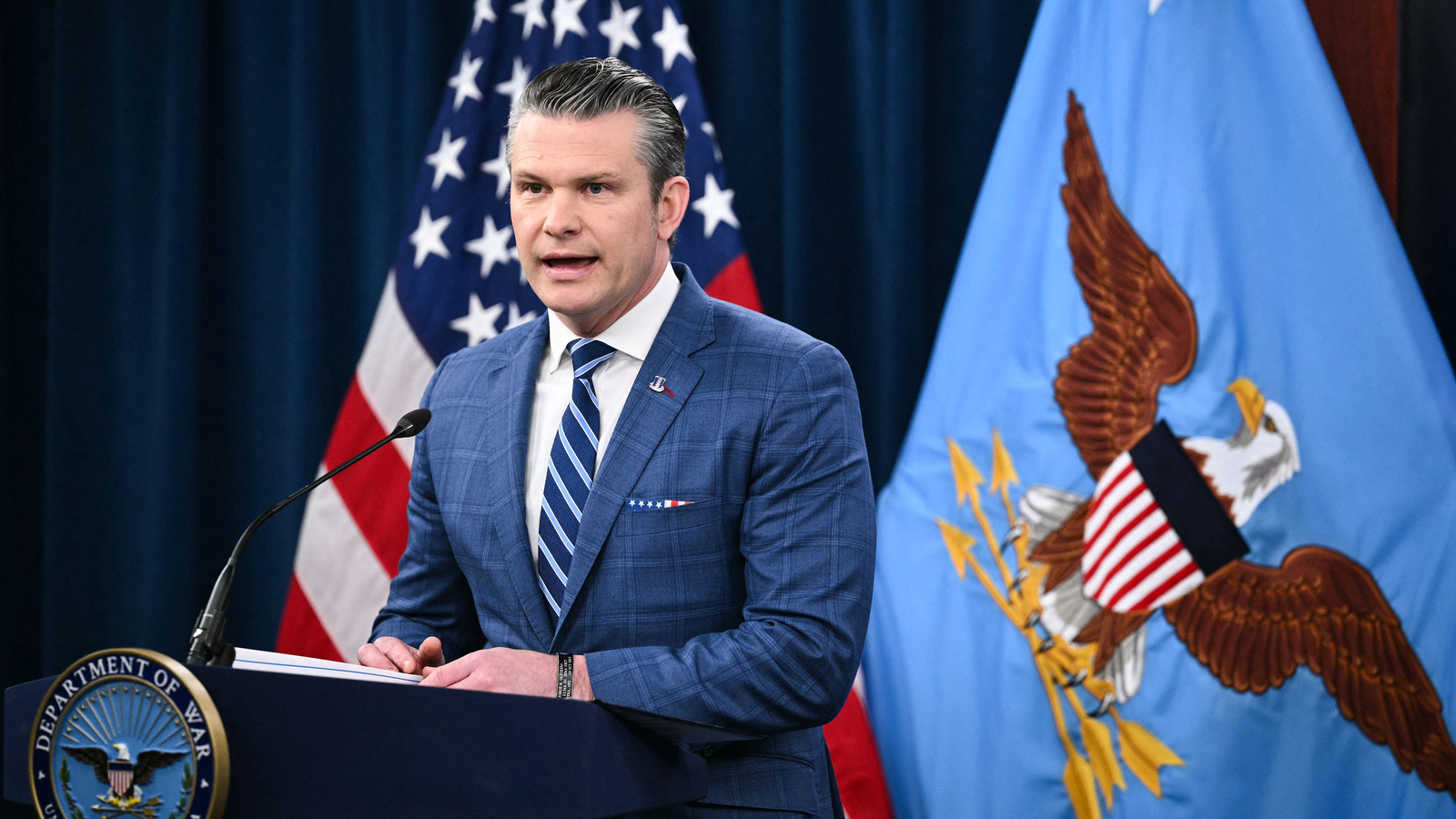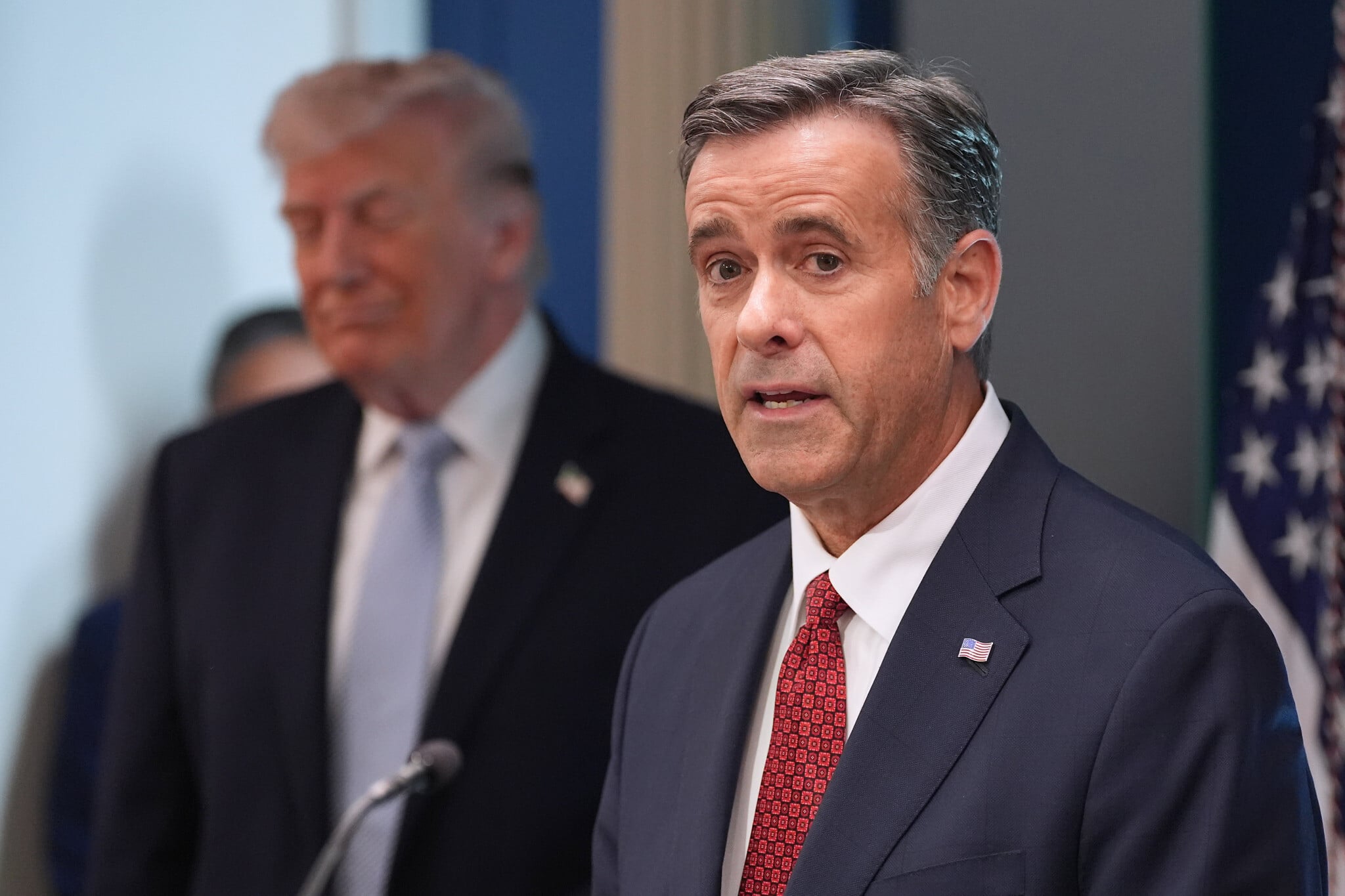
The Central Intelligence Agency does not normally brag. Its official history is a cabinet of operations it will not discuss and sources it will never name. On the afternoon of April 6, that cabinet opened. CIA Director John Ratcliffe stepped to a lectern in the James Brady Press Briefing Room of the White House, with President Trump standing beside him, and described an audacious rescue operation inside Iran that the agency had closed only days earlier. He named the tradecraft. He named the outcome. He taunted the Iranians by name. The first question worth asking is not whether any of that was true. It is who decided to put the operation on camera.
The Agency Built Its Reputation on Silence. The Director Broke It on Camera.
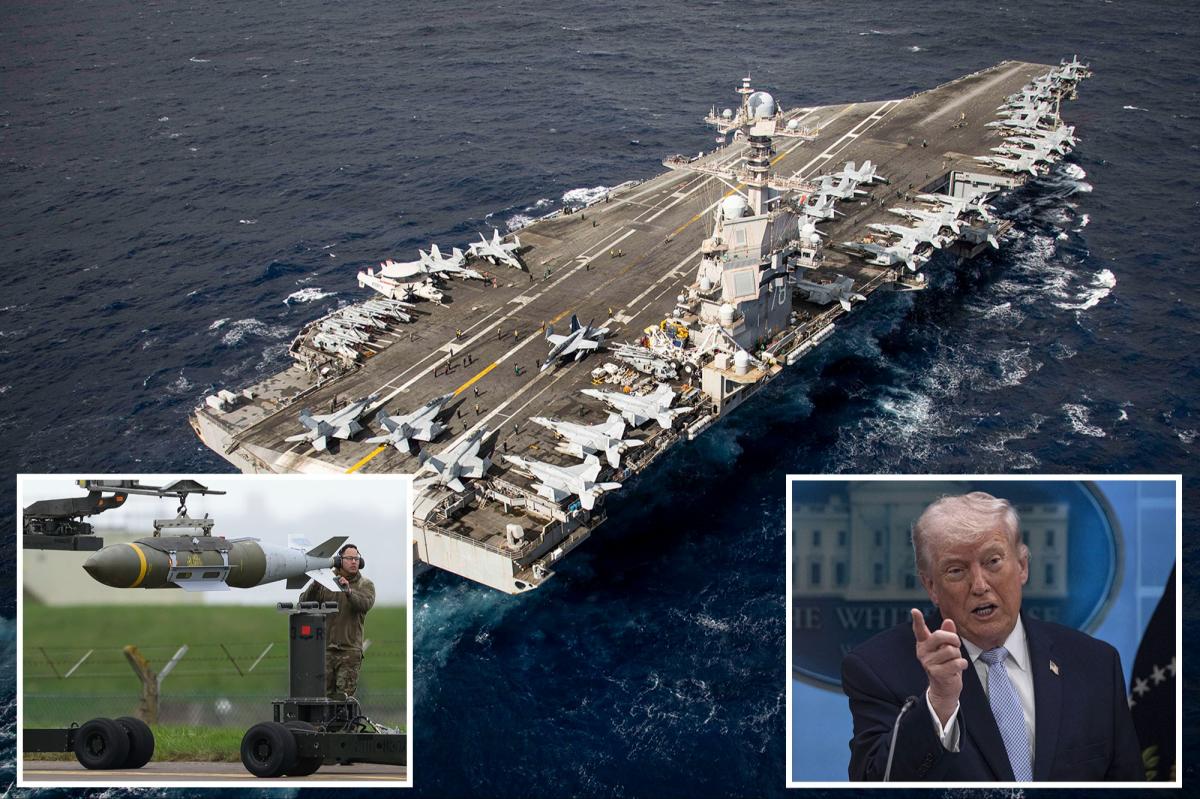
A US Air Force F-15E was shot down over Iranian territory on Friday, April 3. According to the Washington Post, Nextgov, and USA Today, at least one crew member spent roughly 36 hours evading Iranian forces in the mountains before a Pentagon search-and-rescue operation, supported by CIA human assets on the ground and a parallel agency deception campaign, extracted him. On Monday, April 6, Ratcliffe recounted the operation in public. His remarks were televised live on PBS and echoed across the Washington Post, the Times of Israel, USA Today, the BBC, and Nextgov the same evening. Dawn, the leading English newspaper in Pakistan, ran his humiliation line above the fold before the US delegation landed in Islamabad for peace talks five days later.
At the president's direction, we deployed both human assets and exquisite technologies that no other intelligence service in the world possesses to a daunting challenge, comparable to hunting for a single grain of sand in the middle of a desert. — CIA Director John Ratcliffe, White House briefing, April 6, 2026
The Post-Gazette headline, quoting Trump, added that the rescue relied on dozens of aircraft and subterfuge. Ratcliffe's own phrasing named human assets, exquisite technologies, and a deception campaign to confuse Iranian forces. Trump performed a small pantomime of secrecy while he broadcast. He told Ratcliffe, in front of reporters, that he would not talk about it, and then asked Ratcliffe out loud how many men were involved, and then said he would love to keep that a secret. Theatrical secrecy is the oldest form of disclosure. A man who genuinely wanted the number kept off the record would not say it into a bank of microphones.
 Bipi News
Talk to The Reporter
The Cynic
Weary but sharp skeptic who has seen every promise fail and every institution captured. Finds optimism intellectually dishonest until proven otherwise.
First call is free. 5 minutes, no sign-up required.
Who Benefits From This Story Leading Monday Night's Cable News?
“How many men did you say altogether, approximately? I'd love to keep that a secret. — Donald Trump, addressing CIA Director John Ratcliffe at the White House briefing while reporters were filming
Enumerate the ledger. Five beneficiaries, each with a provable incentive.
First, Trump. The rescue narrative went live at the White House on Monday, April 6. On Tuesday, April 7, the president announced a two-week ceasefire with Iran. The sequence is not subtle. A hero story is political cover for a climbdown. The American public gets We saved our pilot above the fold, and the hawks inside the administration cannot call the ceasefire a retreat because the country is celebrating a rescue that the president personally greenlit. Rescue up front, climbdown the next morning.
Second, Ratcliffe. The director of the CIA is a political appointment with a thin public profile coming into this term. He left the podium with a highlight reel of operational success that will play in every budget hearing, every Sunday show, and every off-the-record lunch with a committee chair for the rest of his tenure. Congress writes the CIA's budget. Congress just saw the cover of the catalog.
Who
John Ratcliffe. Director of the CIA. Former member of Congress from Texas. Confirmed by the Senate to lead the agency in early 2025. Before April 6, he had given almost no on-camera interviews about operations as director.
Bipi NewsThink Further on BIPI.
Unlimited access to your personalized investigative reporter agent, sourcing real-time and verified reports on any topic. Your personalized news feed starts here.
Learn moreThird, the agency itself. Institutionally, the CIA lives on a budget cycle that runs on Congressional sentiment. Every time the agency can point to a public victory, the black budget is easier to defend on the Hill. A textbook exfiltration dropped onto the podium in peak news cycle is a recruiting ad, a budget defense, and an internal morale booster in one press briefing. The institution was the audience for its own disclosure.
Fourth, the Islamabad talks. On April 6, Ratcliffe called Iran embarrassed and ultimately humiliated. Five days later, US and Iranian delegations sat down in Pakistan to negotiate an end to the war. The humiliation frame walked into that room ahead of the Iranian negotiators. Dawn, the newspaper the Iranian delegation would have read on the way in, ran the verbatim humiliation quote. Call the timing a coincidence if you want. The more honest name for it is message discipline.
Fifth, the former officer economy. The Cipher Brief published a long-form video interview with former CIA officer Glenn Corn on April 10, four days after Ratcliffe's podium performance. Former CIA station chief Dan Hoffman, a paid Fox News contributor, was on Varney and Company within 24 hours praising the, quote, exquisite deception operation. Pundits who left the agency need current operations to be public before they can talk about them. Every disclosure from the podium unlocks a week of cable hits, podcast bookings, and paid speaking events for a class of former officers who have built careers on commenting in public about what current officers cannot.
Timeline. April 3: F-15E shot down over Iran. April 3-4: Airman spent approximately 36 hours evading Iranian forces. April 5: CIA-supported search and rescue operation extracted him. April 6: Ratcliffe disclosed the operation from the White House podium with Trump present. April 7: Trump announced a two-week ceasefire with Iran. April 11: US and Iranian delegations opened direct talks in Islamabad.
Verified
The Former Officer Who Said It Was Shocking Was Shocked at the Right Moment
Bipi NewsKnow someone who should read this?
Share this report with a friend who values evidence-based journalism.
Fox 10 Phoenix ran a reaction piece on April 7, one day after the briefing. The station quoted Tim Roemer, whom it identified as a former CIA officer and a former Arizona Department of Homeland Security secretary. Roemer said he was shocked the agency had spoken so quickly. He said politicians want to spike the football without understanding that an adversary learns from disclosure. Nothing in what Roemer said was wrong. Note the venue. Regional Fox affiliate, one named source, 24 hours after the briefing, on a news day when every major paper was running the heroic version. That is the quantity and placement of dissent a well-run disclosure campaign wants on the record. Enough to look open. Not enough to change the story.
I think we see politicians wanting to spike the football and tell everything about a story without understanding there are ramifications to that being made public and our enemy understanding exactly how something was done. — Tim Roemer, former CIA officer, to Fox 10 Phoenix
None of this is an accusation against the officers who flew the mission. The airman's rescue was real. The human assets who took the risk were real. The point of cui bono is not that the work is fake. The point is that the public version of the work is always shaped by the people who decide what to say. Ratcliffe and Trump decided what to say. Notice what that choice was worth, and to whom.
On paper, CIA tradecraft runs on silence. In practice, every administration that wants its intelligence agencies to look strong leaks to itself when the calendar requires it. The rescue happened on April 3. The ceasefire happened on April 7. Ratcliffe stepped to the podium between the two events and chose his words. The question the Cynic leaves you with is not whether the disclosure was careless. It is whether it was free.