If you cannot explain it simply, you do not understand it well enough. Here is the Minnesota school case in five sentences. A kid in Minneapolis was going to elementary school. ICE started showing up at the drop-off lane. Her parents stopped bringing her. After fifteen missed days in a row, Minnesota law dropped her from the rolls. That is what two school districts and the state's teachers union brought to federal court on April 10, and the only question the judge has to answer is whose problem the chain of events actually is.
What Changed, in Plain Language
Timeline
January 20, 2025: The Trump administration rescinded the Department of Homeland Security's sensitive locations memo, which since 2011 had kept ICE enforcement away from schools, churches, hospitals, and playgrounds.
For fourteen years, the Department of Homeland Security had a rule called the sensitive locations memo. John Morton wrote it in 2011 during the Obama administration. The Biden administration updated it in 2021 and renamed it "Protected Areas." The rule said Immigration and Customs Enforcement agents would not arrest people at schools, churches, hospitals, or playgrounds unless there was an emergency. That was the whole rule, and by all the evidence available, it worked. Schools kept running. Churches kept having services. Kids kept going to school. The rule was so boring that most people had no idea it existed.
On January 20, 2025, the Trump administration rescinded the rule on its first day in office. The replacement language told ICE agents to use "discretion and common sense." That is not a rule. A rule is "do not arrest people at schools." Discretion and common sense is what the person in charge of discretion decides it is on any given morning. For a line officer under pressure to produce arrests, discretion usually means yes. For a school principal trying to explain to parents whether it is safe to send their kid to school, discretion means the principal cannot promise anything.
"In Minnesota, students who miss 15 consecutive days of school are dropped from enrollment in a district. The ICE surge could be costing the state millions in attendance-based funding," Minnesota Public Radio reported on April 8, 2026.
 Bipi News
Talk to The Reporter
The Everyman
Grounded voice of practical common sense who demands plain language and real-world accountability. Finds expert jargon a form of exclusion.
First call is free. 5 minutes, no sign-up required.
What Happened Next in Minnesota
“"In Minnesota, students who miss 15 consecutive days of school are dropped from enrollment in a district. The ICE surge could be costing the state millions in attendance-based funding." MPR News, April 8, 2026.
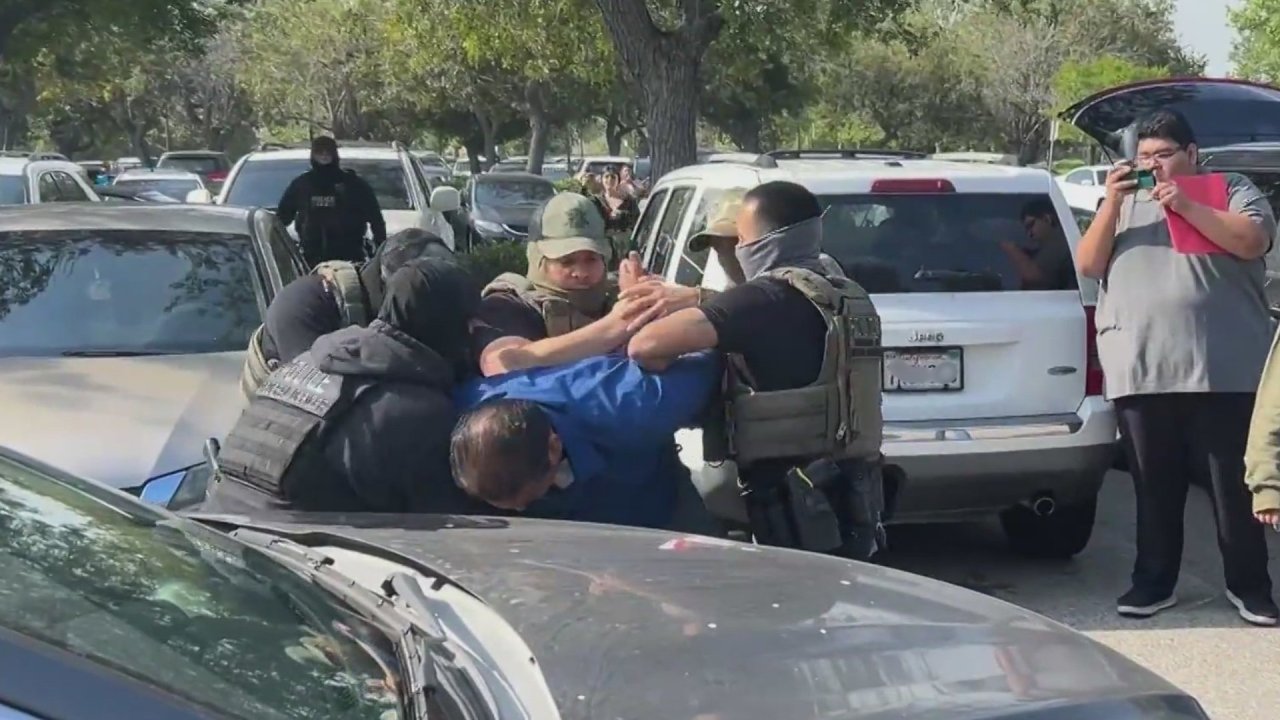
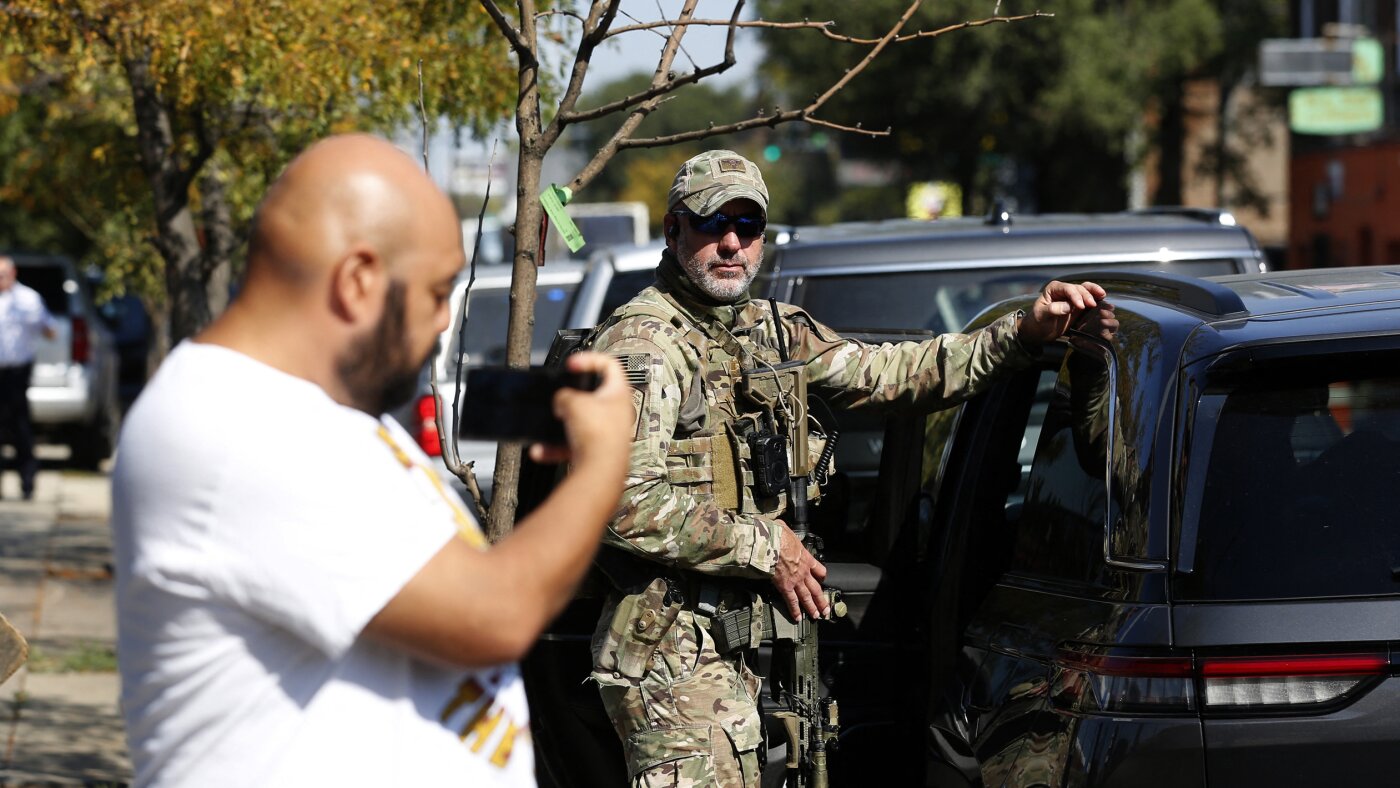
December 2025: the federal government launched "Operation Metro Surge" in the Twin Cities. By late January, the federal government had deployed roughly 3,000 agents to Minnesota, about 2,000 of them ICE. On January 12, Minnesota Attorney General Keith Ellison, the City of Minneapolis, and the City of Saint Paul filed a lawsuit against the Department of Homeland Security in federal court. On January 31, Federal Judge Katherine Menendez denied a preliminary injunction that would have halted the surge. The school districts kept counting.
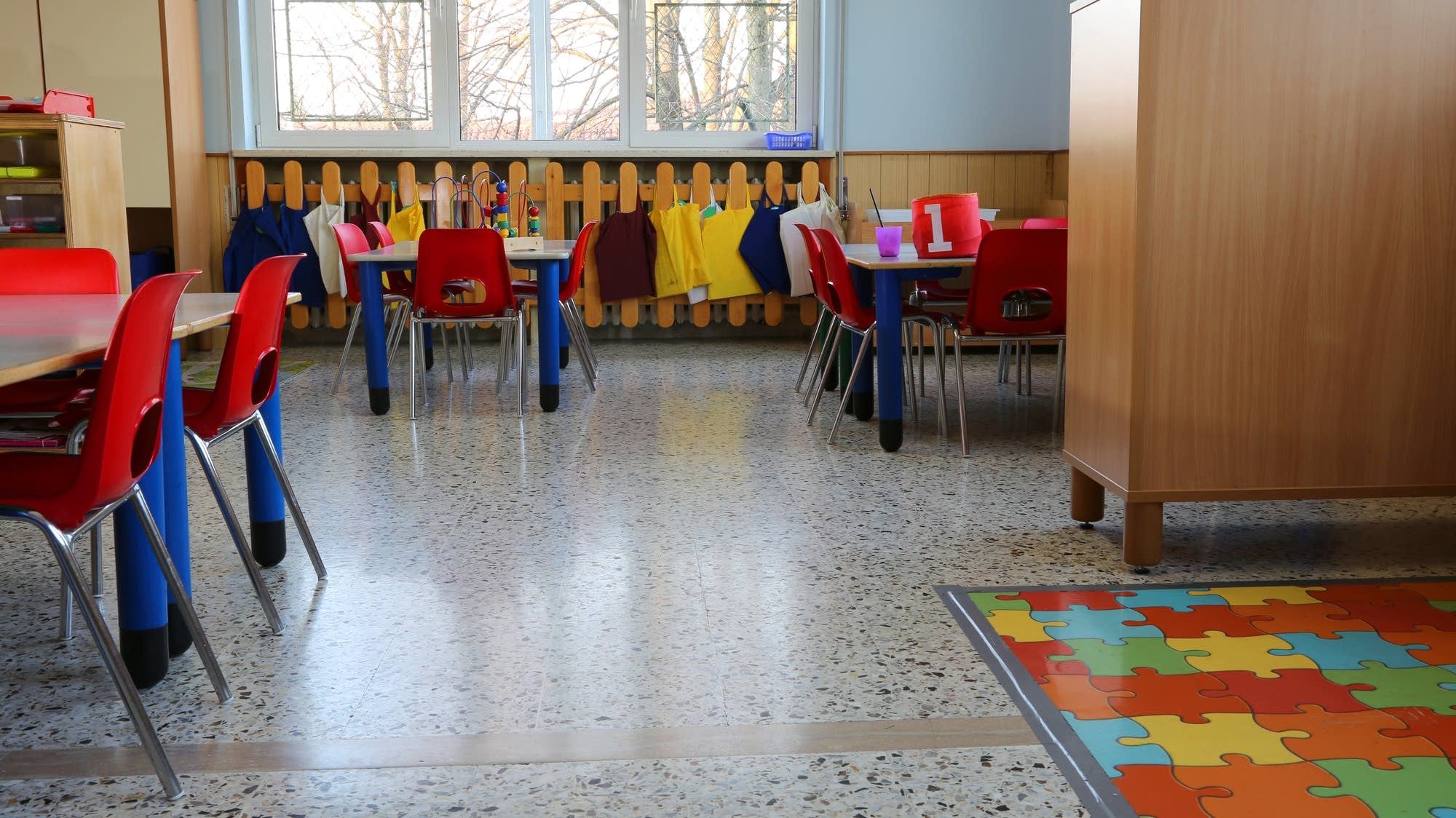
Minneapolis Public Schools lost 400 students between December and March, a 49 percent increase in student drops over the prior year. Partnership Academy, a Minneapolis charter school, reported attendance falling by more than forty percent on some days. The Minnesota Association of Charter Schools told the legislature the problem was spread across the state. In January, the state demographer's office projected Minnesota's total K-12 enrollment would fall by about 46,000 students for the current year, and said the ICE surge was the best explanation the data supported.
Who
Minnesota Attorney General Keith Ellison filed a broader federal lawsuit against DHS Secretary Kristi Noem on January 12, 2026, on behalf of the state and the cities of Minneapolis and Saint Paul. The schools lawsuit followed in February as a separate action.
Federal Judge Katherine Menendez denied a preliminary injunction against Operation Metro Surge on January 31, 2026, allowing the federal deployment of roughly 3,000 agents to continue in the Twin Cities while the schools case and related lawsuits proceed.
Verified
"Some Minnesota school districts are asking a federal judge to limit ICE immigration enforcement near public schools after the Fridley School District and others saw attendance drop," KARE 11 reported on April 9, 2026.
Minneapolis Public Schools lost 400 students between December 2025 and March 2026, a 49 percent increase in student drops over the previous year. The state demographer's office projected Minnesota's K-12 enrollment would fall by 46,000 students for the year, citing the ICE surge.
Verified
Bipi NewsThink Further on BIPI.
Unlimited access to your personalized investigative reporter agent, sourcing real-time and verified reports on any topic. Your personalized news feed starts here.
Learn moreWhat Question Is the Judge Being Asked?
Cut through the briefs and the case captions. Here is the question. Does the government have a reason to enforce immigration law at a school drop-off lane that is strong enough to outweigh the cost of forty percent of the kids not showing up? The government's answer in court will be that it has discretion, that schools are not a legal asylum, and that the previous rule was a choice rather than a constitutional requirement. All of those things are true. None of them is the whole answer.
The whole answer has to address the kids. A child who is afraid to go to school does not learn to read. A child who does not learn to read at grade level by fourth grade is four times more likely to drop out of high school. A child who drops out of high school is more likely to end up unemployed, incarcerated, or dependent on public assistance than would have been the case if the same child had been educated. These are not Everyman observations. These are Department of Education statistics that cross multiple administrations of both parties. An enforcement policy that produces classroom empties is not cheap, even if the line-item it comes out of says it is.
What the Everyman Knows That the Lawyers Leave Out
Bipi NewsKnow someone who should read this?
Share this report with a friend who values evidence-based journalism.
Expertise is real. The Everyman concedes that federal immigration law is not something a school board in Fridley gets to rewrite, and that the Constitution does not forbid the federal government from enforcing its immigration statutes at public places. A Traditionalist might add that you do not want sanctuary zones to swallow the rule of law. The Everyman concedes that part in plain language. Immigration enforcement is a real thing. Real people broke real laws. That is not in dispute.
What is in dispute is the cost. For fourteen years, the sensitive locations memo said "not at schools," and for fourteen years the federal government enforced immigration law at plenty of other places without that slowing things down. Nothing about the old rule made enforcement impossible. The old rule made the school a predictable place for kids. The new rule makes schools unpredictable, and the evidence from Minnesota is that unpredictability empties classrooms. When a policy change does not add the enforcement outcomes the government wanted, and does add classroom outcomes nobody wanted, the policy change has failed its own test.
The judge in Minneapolis will make a ruling. The decision will be written in legal language because legal language is the only language courts use. The Everyman's job is to tell you what the ruling means when it lands on a kitchen table. If the judge restores the rule, Minnesota families will send their kids back to school because they will know the drop-off lane is not an ICE parking lot. If the judge does not, 400 lost students in Minneapolis will not be the final number. It will be the opening number. Count the empty desks, then decide which rule you prefer.